U.S. and Iran Trade Military Strikes After Ceasefire Talks Collapse, Region on Edge
Ceasefire Crumbles Into Open Hostility
A fragile months-old ceasefire between the United States and Iran collapsed dramatically this week as both nations traded direct military strikes for the first time in years, shattering the last remnants of a diplomatic process that had stuttered through multiple rounds of failed negotiations. The sudden exchange of fire—still unfolding in its scope and consequences—has reignited fears of a broader regional conflict and left international mediators scrambling to prevent a full-scale escalation.
The breakdown marks the definitive end of a cease-fire that, while never fully observed, had managed to hold back the worst violence since a series of proxy confrontations last year. Analysts say the pact unraveled not from a single incident but from a steady accumulation of broken commitments, stalled negotiations, and a mutual unwillingness to yield on core demands.
“What held the ceasefire together was a shared, if grudging, recognition that neither side wanted an all-out war,” said one regional security expert. “What finally tore it apart was the complete exhaustion of the negotiating track—both capitals concluded the other was acting in bad faith.”
How the Ceasefire First Took Hold
The truce, brokered through backchannels and third-party mediators in early 2026, followed a spike in attacks on U.S. bases in Iraq and Syria by Iran‑linked militias and retaliatory American airstrikes. It was always tenuous: both sides accused each other of violating terms almost weekly. Yet for months it provided a modicum of predictability, allowing diplomats to hold talks on de‑escalation, regional security, and the future of sanctions relief.
Those talks, however, failed to translate into concrete progress. Mediation efforts led by regional powers and European intermediaries hit repeated deadlocks. Iran insisted on verifiable sanctions lifting before any rollback of its ballistic‑missile program, while the U.S. demanded an end to militia attacks and a halt to nuclear enrichment breaches. Neither side budged.
The Military Exchange
The fresh hostilities erupted in a span of less than 48 hours. According to military officials and regional reports, the sequence began overnight with Iranian‑backed militia drone attacks on a U.S. outpost in northeastern Syria, which caused casualties and significant damage. The United States responded within hours, launching precision strikes against militia weapons depots and command centres in both Syria and Iraq.
Iran, in turn, said its forces had launched ballistic‑missile strikes against what it described as a “U.S. terror base” in the region—a claim Washington neither fully confirmed nor denied but acknowledged as a serious escalation. Both governments issued statements justifying their actions: the U.S. described its strikes as necessary to protect American personnel and deter further attacks, while Iran accused the White House of sabotaging peace efforts and threatened further retaliation if provoked.
Immediate Toll and Regional Ripple Effects
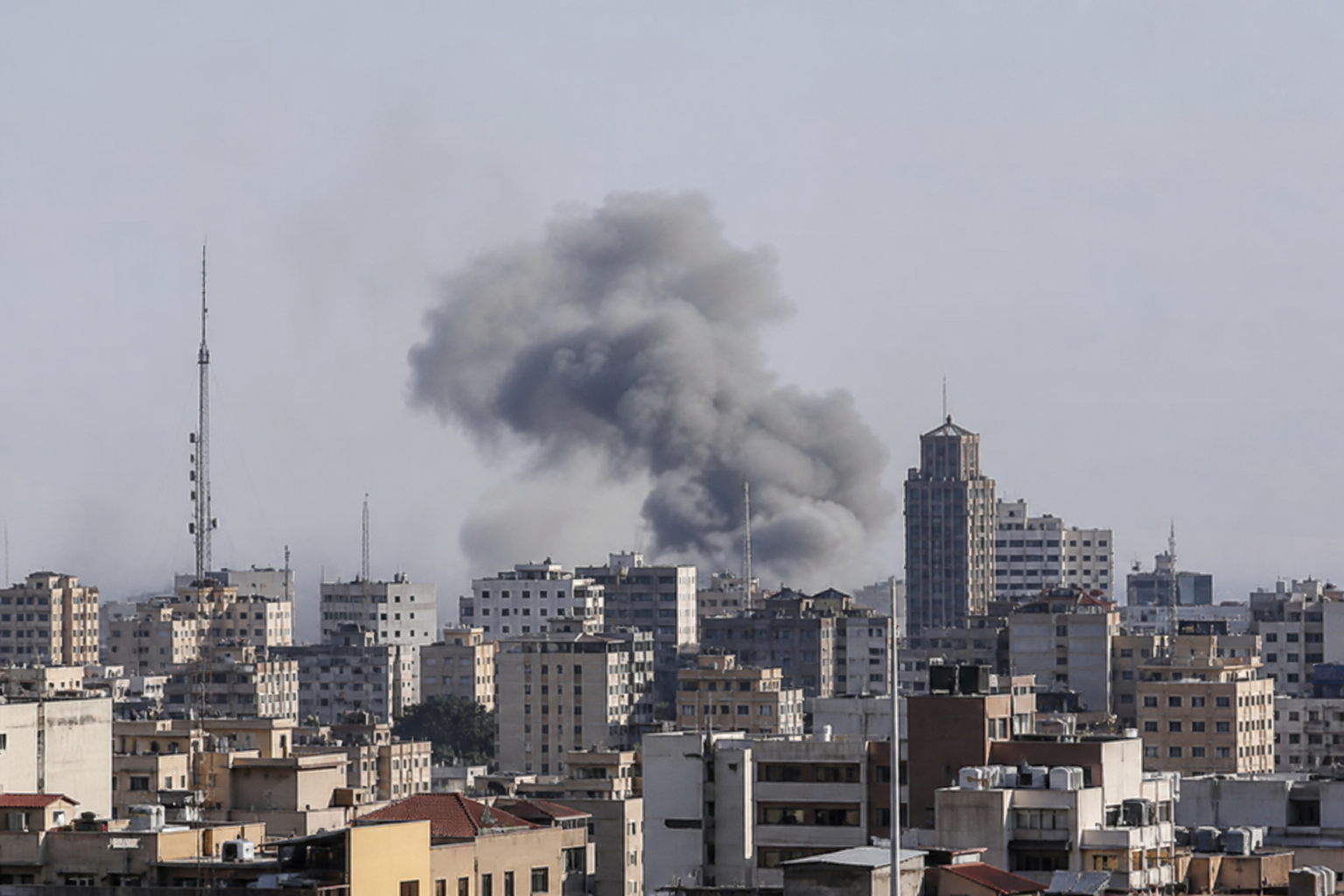
Initial casualty reports remain contested. U.S. Central Command confirmed several American service members were wounded in the initial drone attack, and local sources reported deaths among militia fighters. Damage to infrastructure was visible, with satellite imagery showing smoke rising from facilities near the Syria‑Iraq border.
Beyond the immediate battlefield, the strikes sent shockwaves through already fragile neighboring states. Iraq’s government, caught between its alliance with Washington and its ties to Tehran, condemned both the militia attacks and the U.S. response, warning it could become an arena for a broader war. Commercial shipping in the Persian Gulf, already on high alert, faced fresh warnings from maritime security agencies.
Diplomatic Backchannels Go Silent
The diplomatic fallout has been swift. Mediators who helped maintain the ceasefire confirmed that backchannel communications—often conducted through Oman and Switzerland—had effectively ceased. A planned third round of indirect talks, tentatively scheduled for this month, is now considered dead. “There is no backchannel worth the name if bombs are falling,” one European diplomat said bluntly.
The collapse has also strained relations between the U.S. and some of its partners. While key allies condemned the militia attacks, several governments called for restraint and a prompt return to negotiations, worried that an unintended spiral could engulf the entire Gulf.
Proxy Forces and the Widening Domino Effect
What worries analysts most is the potential for the conflict to draw in armed groups across the region. Iran‑affiliated militias in Iraq, Syria, and Yemen have publicly promised to avenge the U.S. strikes, and there are unconfirmed reports of small‑scale rocket fire near U.S. diplomatic facilities. The danger, officials say, is that a miscalculation by any one of these proxies could trigger a much larger U.S. response, opening multiple fronts simultaneously.
U.S. forces remain spread across dozens of bases in the Middle East, while Iran’s regional network gives it the ability to strike at unpredictable times and places. The combination makes de‑escalation extraordinarily difficult, short of a high‑level diplomatic breakthrough that now seems exceedingly remote.
What Comes Next
No new ceasefire proposal has been publicly tabled, and both Washington and Tehran appear to be settling into a posture of punitive military signaling. Diplomats warn that the window for avoiding a sustained cycle of attack and retaliation is closing fast. With no monitors in place and trust at a nadir, even a misidentified drone could spark the next phase.
The international community is left watching a familiar and dangerous pattern repeat: a shaky truce gives way to failed talks, which in turn collapse into military action, each time pushing the region closer to a conflict that no one says they want but that no one seems able to stop.