Trump threatens to ‘bomb the shit out of’ Gulf ally Oman over Iran mediation
Trump threatens to ‘bomb the shit out of’ Gulf ally Oman over Iran mediation
Former US President Donald Trump has issued a volatile and explicit threat against the Gulf state of Oman, reportedly warning he would “bomb the shit out of them” if the long-standing American ally “gets in the way” of concluding the ongoing war with Iran.
The stark warning, first reported by The Guardian, marks a dramatic escalation in rhetoric toward a nation that has served as a crucial diplomatic backchannel for decades. It is not an isolated outburst, as the latest threat follows a similar confrontation earlier in May, signaling a sustained and aggressive pressure campaign against the Gulf ally.
A pattern of pressure
The direct threat against Muscat represents a severe rupture in traditional diplomatic protocol. Oman has historically positioned itself as a neutral facilitator, mediating between Western powers and Tehran during moments of acute crisis. The latest salvo suggests that Trump views the Sultanate’s historic role of shuttle diplomacy not as an asset but as an obstacle to a more militaristic conclusion to hostilities.
The previous threat in May had already sent shockwaves through diplomatic circles, but the explicit nature of the August warning—specifying heavy bombardment against a partner state currently hosting US military logistics and overflight clearances—has deepened concerns regarding the stability of US commitments in the Gulf region.
The strategic mediator
Oman’s relevance to the Iran conflict is difficult to overstate. For years, Muscat has served as the primary conduit for back-channel negotiations, hosting secret talks between US and Iranian officials that have historically paved the way for de-escalation. Threatening this mechanism raises immediate questions about the future of mediation and the safety of diplomatic channels.
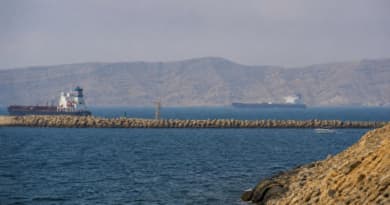
Analysts note that any military action against Oman would not only shatter a bilateral relationship founded on centuries of mutual respect but would also physically sever critical lines of communication needed to prevent a wider regional war. The Strait of Hormuz, a vital artery for global energy markets flanked by Oman and Iran, remains a flashpoint where Omani cooperation is indispensable for maritime security.
Diplomatic fallout and legal questions
The remarks are being characterized by international legal experts as deeply problematic, bordering on an unconstitutional threat of aggression against a sovereign state that has not engaged in hostilities. Reactions have begun to ripple through the Gulf Cooperation Council (GCC), with unnamed officials expressing alarm that a foundational Western ally is now being treated with the verbal hostility normally reserved for adversarial regimes.
The Omani foreign ministry has so far remained characteristically reserved in its public posture, refraining from immediate escalatory rhetoric. However, the aggressive tone has strained the diplomatic comfort zone of a nation that prides itself on quiet diplomacy. Within Washington, the Trump administration’s framing of the threat has been vague, with no immediate walk-back offered, leaving allies to question whether the comment represents official policy or a negotiating tactic.
The incident has also prompted scrutiny regarding the legal basis for such a threat. Under international law, bombing a non-belligerent nation for facilitating dialogue would violate the core tenets of the UN Charter. As the situation develops, Gulf allies are closely watching to see if this marks a realignment of US tolerance for neutrality.
Implications for the Iran war
The verbal assault on Muscat risks complicating the very endgame Trump claims to seek. By alienating the region’s most effective mediator, the path to a ceasefire or political settlement narrows significantly. If Oman reduces its intermediary role to avoid further threats, the likelihood of a protracted and expanding conflict increases, a scenario that could draw in other military powers.
As the international community gauges the reaction from Muscat and the broader Gulf collective, the immediate concern is whether this severe breach of comity leads to a reduction in Omani cooperation on joint military logistics. For now, the threat hangs over a region already teetering on the edge, with a historic ally suddenly recast as a potential target.