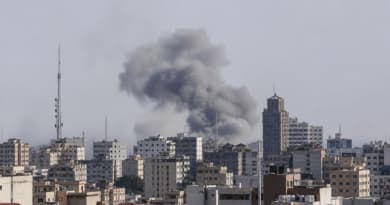
Indonesia Keeps Airports Closed as Anak Krakatau Eruption Eases, Schools Go Remote
Indonesia is maintaining closures at several airports and has shifted schools to remote learning, even as the eruption of the Anak Krakatau volcano is showing signs of easing, authorities confirmed. The cautious stance underscores lingering concerns about airborne ash and visibility that continue to pose risks to aviation and public health.
The volcanic activity, which began earlier this week, prompted the temporary closure of multiple airports in the surrounding region. While the intensity of the eruption has diminished, the National Disaster Mitigation Agency (BNPB) and aviation regulators have not yet given the green light to resume full operations.
The BNPB has indicated that the reopening of airports will depend on comprehensive assessments of ash dispersion and visibility, working closely with the Meteorology, Climatology, and Geophysics Agency (BMKG) to analyze atmospheric conditions. The Directorate General of Civil Aviation has issued warnings to airlines, urging them to reroute flights away from affected airspace.
Flight disruptions have been reported at airports in Lampung, Banten, and parts of West Java, though exact locations have not been officially listed. Passengers are advised to check with their airlines for the latest status. Ferry services in the Sunda Strait are also being monitored, but no major maritime restrictions have been imposed so far.
Schools Shift to Remote Learning
In response to the ashfall, education authorities in the impacted provinces have ordered schools to switch to online classes. The move is a precautionary measure to protect children from inhaling fine volcanic particles and to avoid transportation disruptions caused by poor visibility and road hazards.
The remote learning mandate will remain in place until the volcanic alert level is lowered and air quality improves. The BNPB has urged residents to wear masks outdoors and to stay indoors whenever possible.
The Anak Krakatau volcano, one of Indonesia’s most active, has a history of explosive eruptions. The current activity, while easing, continues to produce ash plumes reaching several hundred meters. The volcano’s alert status remains at the second-highest level, prohibiting any approach within a 5-kilometer radius.
Indonesia, an archipelago of over 270 million people, sits on the Pacific “Ring of Fire” and is home to more than 120 active volcanoes. Eruptions frequently disrupt air travel and daily life, but the government’s measured response this time highlights the balance between restoring normalcy and ensuring public safety.