U.S. Energy Department Unveils $100 Million Plan to Recruit Next Generation of Miners
Federal Investment Aims to Secure Critical Mineral Supply Chains
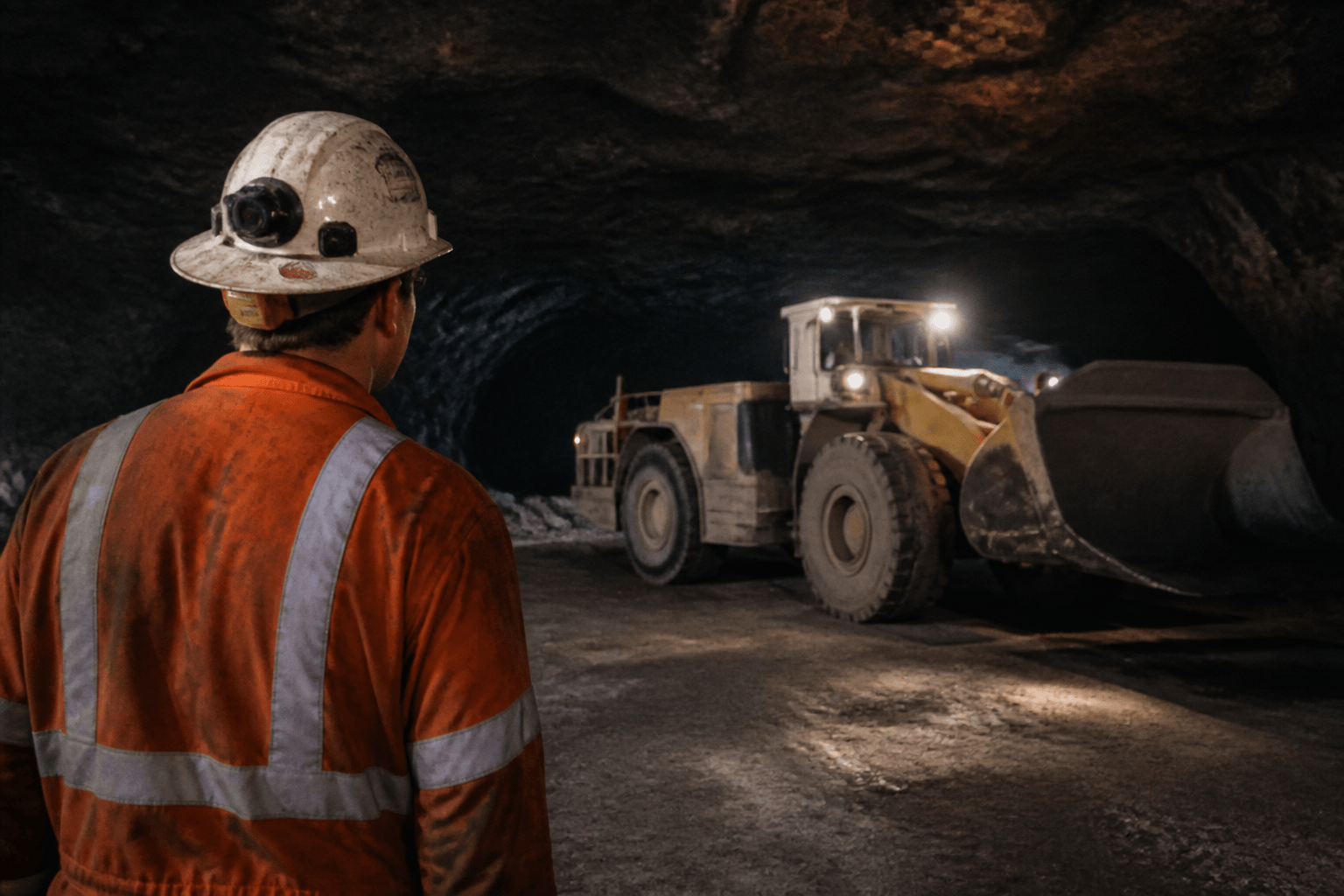
The U.S. Department of Energy is launching a $100 million initiative to recruit more Americans into the mining and extractive industries, framing workforce development as a national security and energy-transition priority. The program, announced Monday, targets the persistent labor gaps that threaten to slow the domestic production of critical minerals essential for electric vehicles, battery storage, and clean energy technologies.
The funding, which will flow through a competitive grant process, is designed to expand training, apprenticeship, and job-placement pipelines rather than directly build new mines. According to the department, the effort will support partnerships between industry, labor unions, community colleges, and tribal organizations to train workers for high-skill roles across the mining sector.
Why the Administration Says Mining Needs More Workers
Officials have long warned that the U.S. faces a critical shortage of skilled labor in extractive industries. An aging workforce, combined with stiff competition from other skilled trades and a lack of public awareness about modern mining careers, has left many companies struggling to fill positions. The new initiative aims to reverse that trend by creating clear pathways into the field.
The broader policy rationale is tightly linked to the global race for lithium, cobalt, nickel, rare earth elements, and other minerals. The administration views domestic mining capacity as a cornerstone of its strategy to reduce reliance on foreign supply chains—particularly those dominated by China. By investing in the human capital behind mining, the Department of Energy hopes to accelerate the build-out of a secure, end-to-end domestic supply chain for critical minerals.
“A skilled workforce is the backbone of our energy independence,” a department spokesperson said in a statement. “This $100 million investment will ensure that the next generation of American miners is ready to power the clean energy revolution.”
What the Funding Will Cover
The initiative will support a range of activities, including:
- Registered apprenticeship programs and pre-apprenticeship training for entry-level roles.
- Curriculum development at technical schools and community colleges.
- On-the-job training and certification for advanced operators, technicians, and engineers.
- Outreach and recruitment campaigns targeting underrepresented communities and displaced energy workers.
While the department did not release a detailed breakdown of which specific mining occupations are prioritized, the announcement stressed that the program is open to all facets of the mining workforce—from equipment operators and safety technicians to geologists and environmental engineers. The grants are expected to be awarded in multiple rounds over the next two years, with a focus on regions with active or expanding mining operations, including the Southwest, Mountain West, and Appalachia.
Context: Labor Shortages and the Energy Transition
The push comes as the U.S. mining industry faces a demographic cliff. The average age of a mine worker is now over 45, and retirements are accelerating. At the same time, demand for dozens of minerals is projected to skyrocket by 2040 as the world shifts to electric vehicles, wind turbines, and solar panels. The Energy Department has previously estimated that the global market for critical minerals could grow by 500% in the coming decades.
The new workforce program complements other federal efforts, including the Inflation Reduction Act’s incentives for domestic processing and manufacturing, and the Department of Defense’s investments in rare earth processing. Together, they form a multi-pronged strategy to onshore the entire clean energy supply chain, from mine to factory.
Industry groups have welcomed the funding. The National Mining Association has long called for expanded workforce training, and the American Exploration & Mining Association has highlighted the gap between the number of graduates from mining engineering programs and the industry’s hiring needs. The initiative is expected to leverage existing networks of labor unions and training centers, although specific partners were not named in the initial announcement.
The Department of Energy is soliciting public input on the grant design and will host a series of virtual workshops this spring. Applications for the first round of funding are expected to open later this year.
For more information, visit the Department of Energy.