Iran Threatens to Bar Military Vessels from Strait of Hormuz Amid Oman Deal Talks
A Conditional Warning Redraws Naval Access
Iran has signalled it will refuse passage to military vessels through the Strait of Hormuz if a pending agreement with Oman is finalised, injecting fresh uncertainty into one of the world’s most vital maritime arteries. The warning, conveyed through regional diplomatic channels, marks a sharp escalation in Tehran’s rhetoric over control of the waterway and comes as Israeli airstrikes continue to pound Gaza, straining an already volatile Middle East.
The restriction is explicitly tied to a bilateral deal with Muscat whose precise terms remain opaque. Officials have not disclosed when the accord might be concluded, but the conditional nature of the statement leaves room for either de‑escalation or sudden enforcement. Crucially, the declared ban targets only military traffic, not the commercial tankers that carry roughly a fifth of global oil consumption through the Strait of Hormuz chokepoint each day.
Why the Strait Matters
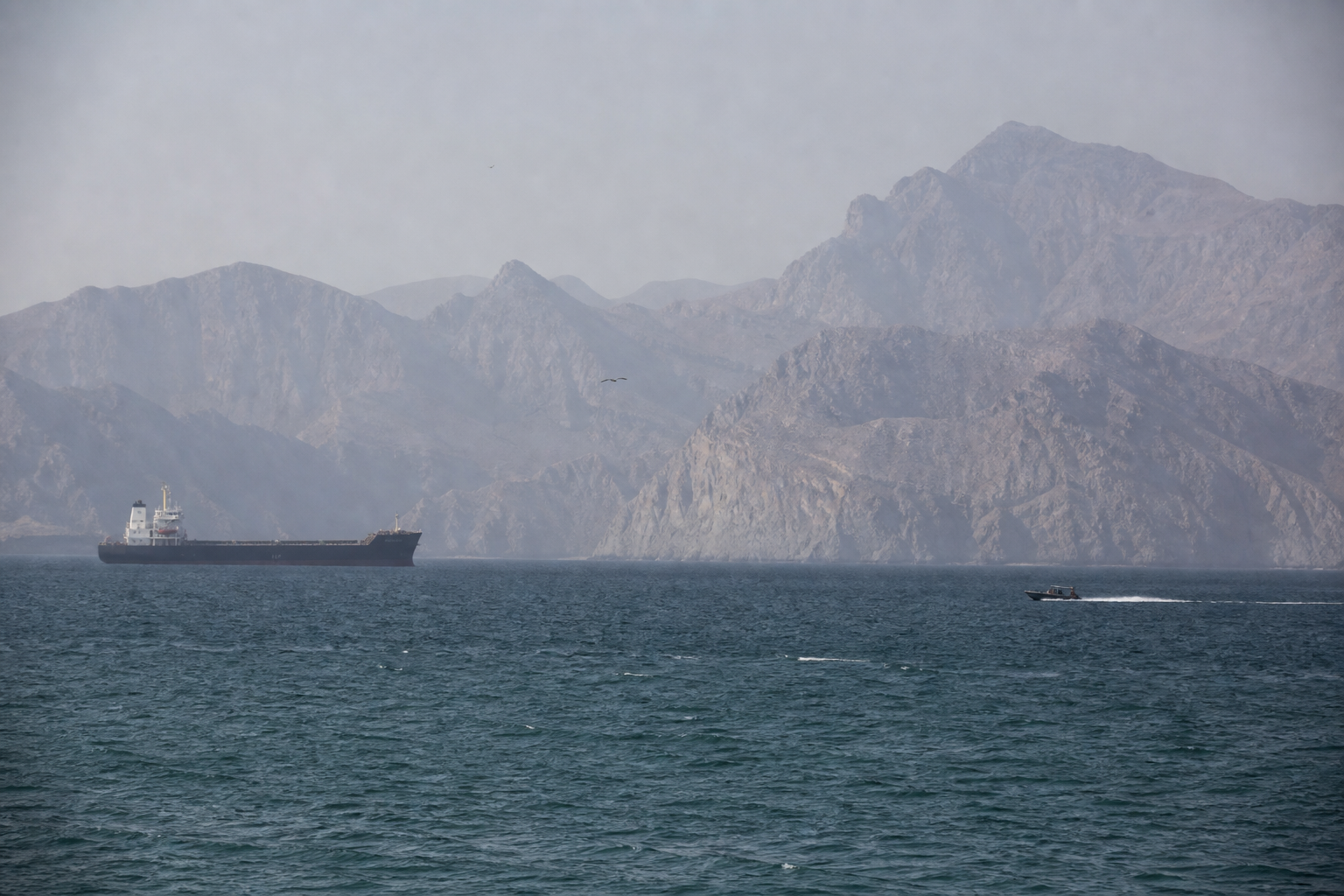
The Strait of Hormuz is the sole sea passage from the Persian Gulf to the open ocean, funneling about 21 million barrels of petroleum products daily. The U.S. Navy, European navies, and Gulf state fleets routinely transit the narrow channel, making any restriction on military movement a direct challenge to freedom-of-navigation norms that have underpinned regional security for decades. While the announcement does not threaten civilian shipping directly, analysts warn that a selective ban could easily spiral into broader disruptions if enforcement confrontations occur.
Enforcement Gaps and Definitional Fog
Iran has not spelled out how it would police the restriction. The task could fall to the regular navy or the Islamic Revolutionary Guard Corps Navy, both of which patrol the strait aggressively. A central ambiguity is what qualifies as a “military vessel.” U.S. destroyers, British frigates, or even armed coastguard cutters could all fall under Tehran’s interpretation, yet no clear criteria have been published. This ambiguity is likely to be tested the next time a foreign warship requests passage, especially if the Oman deal enters into force without prior negotiation with maritime stakeholders.
International law, including the United Nations Convention on the Law of the Sea, guarantees transit passage through straits used for international navigation. Iran’s move would therefore face swift legal and diplomatic pushback. The International Maritime Organization has repeatedly stressed the need to keep the strait open, and any unilateral restriction would almost certainly draw condemnation from Washington, London, and Gulf capitals.
Oman’s Role and Regional Ripples
Oman has long acted as a quiet mediator between Iran and the West, and the reported deal appears to be another chapter in that diplomatic tradition. However, the nature of the agreement—whether it gives Iran any legal cover to bar warships—remains unconfirmed. Gulf states that rely on U.S. naval protection, such as Saudi Arabia and the UAE, are likely to view the development with alarm. A ban on military transit could complicate the U.S. Fifth Fleet’s ability to project power, potentially reshaping the security architecture of the entire Gulf.
Meanwhile, the ongoing Israeli military campaign in Gaza continues to inflame tensions across the region. Iran-backed groups in Lebanon, Syria, and Yemen have already responded to the Gaza conflict with attacks on Israeli and U.S. interests. The Strait of Hormuz threat adds another layer of brinkmanship at a moment when diplomatic bandwidth is stretched thin. Shipping insurers and global energy markets are watching closely, mindful that even a symbolic restriction could send insurance premiums soaring and disrupt supply chains.
For now, the warning is tied to a deal that has yet to be sealed. Whether it becomes operational reality or a bargaining chip will depend on the speed of Oman’s diplomacy and the reactions of the naval powers that rely on the strait’s open waters.