Climate Scientists Warn ‘Bigger Shocks Are on the Way’ as Extreme Weather Intensifies
A world of overlapping disasters
For decades, climate scientists have delivered a consistent and increasingly urgent warning: as long as greenhouse gas emissions continue to rise, the planet will face more frequent and more violent extreme weather. Now, researchers say the world is entering a period where those events will not only become more intense but also more likely to strike in rapid succession or simultaneously—creating compound disasters that overwhelm communities and response systems.
The message, reinforced by the latest assessments from the Intergovernmental Panel on Climate Change (IPCC), is that hotter global temperatures are fueling a cascade of extremes: searing heat waves, devastating storms, catastrophic floods, and prolonged droughts. And the next major shock, experts caution, may be worse than the last.
“We are not looking at a single apocalyptic event,” said one climate researcher. “What we face is a steady drumbeat of bigger shocks—each one capable of compounding the damage left by the previous, with recovery windows shrinking.”
Four horsemen of a warming world
The categories of extreme weather most closely tied to climate change are now well documented, each carrying heightened risks in a hotter atmosphere.
- Heat waves: Record-shattering temperatures are becoming the norm across continents. Scientists note that heat waves are lasting longer, reaching higher peaks, and occurring earlier in the year, straining power grids, agriculture, and public health.
- Storms: Warmer oceans provide more fuel for tropical cyclones, leading to storms that intensify more rapidly and drop unprecedented amounts of rain. Coastal communities face compound flooding from storm surge and swollen rivers.
- Floods: A warmer atmosphere holds more moisture, producing extreme rainfall events even in areas not historically flood‑prone. The result is deadly flash floods and the inundation of urban infrastructure never designed for such volumes.
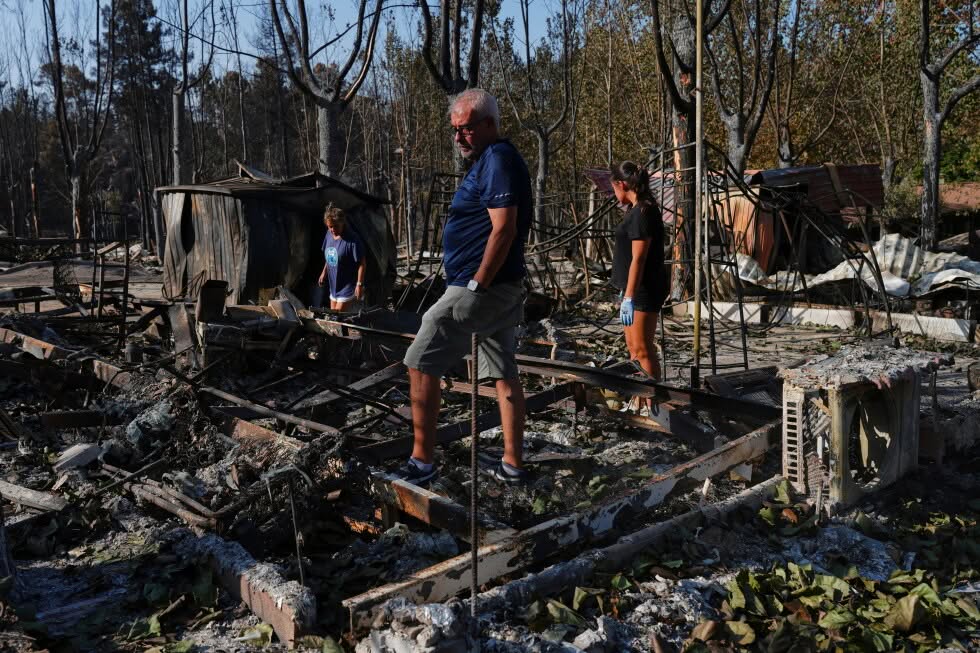
- Droughts: Rising temperatures accelerate evaporation and dry out soils, turning once‑fertile regions into tinderboxes. Multiyear droughts are crippling food production and increasing wildfire risk, with cascading effects on water supply and energy generation.
Cascading impacts on society
The danger lies not only in each individual hazard but in how they interact. A heat wave can buckle railways and overload electricity grids just as people most need cooling; a drought can weaken vegetation, making subsequent rains more likely to trigger landslides; a hurricane can disable emergency communications, delaying rescues during storm‑surge flooding. These overlapping crises, experts say, push hospitals, supply chains, and disaster‑response agencies past their planned limits.
“Many countries are still preparing for the disasters of yesterday, not the compound events of tomorrow,” a report from the NOAA Climate.gov notes. “Adaptation plans must now account for multiple, simultaneous shocks.”
A global problem with unequal resilience
While no region is immune, the most severe consequences fall on vulnerable communities with the fewest resources to adapt, recover, or relocate. Low‑lying island nations face existential threats from sea‑level rise and intensifying cyclones; smallholder farmers in arid regions see their livelihoods wither under deepening drought; and densely populated cities in the developing world often lack the infrastructure to withstand extreme rainfall or heat.
International weather and climate agencies, including the World Meteorological Organization (WMO), have urged governments to invest in early‑warning systems, resilient infrastructure, and social safety nets. Yet the gap between what is needed and what is being delivered remains wide, leaving many societies underprepared for the scale and frequency of events that science now deems increasingly probable.
As emissions continue to break records and warming accelerates, the window to blunt the worst of these shocks is narrowing. The warning from scientists is unambiguous: bigger shocks are on the way, and the time to brace for them is now.