Yulu Rides India’s Quick-Commerce Wave with $93 Million Funding as E-Bike Demand Surges
Yulu Rides India’s Quick-Commerce Wave with $93 Million Funding as E-Bike Demand Surges
Electric mobility startup Yulu has raised $93 million in fresh capital, capitalizing on a surge in demand for last-mile delivery solutions driven by India’s quick-commerce boom. The funding, reported by TechCrunch, underscores how the race to deliver groceries, smartphones and daily essentials in 10–20 minutes is reshaping urban logistics and accelerating electric vehicle adoption.
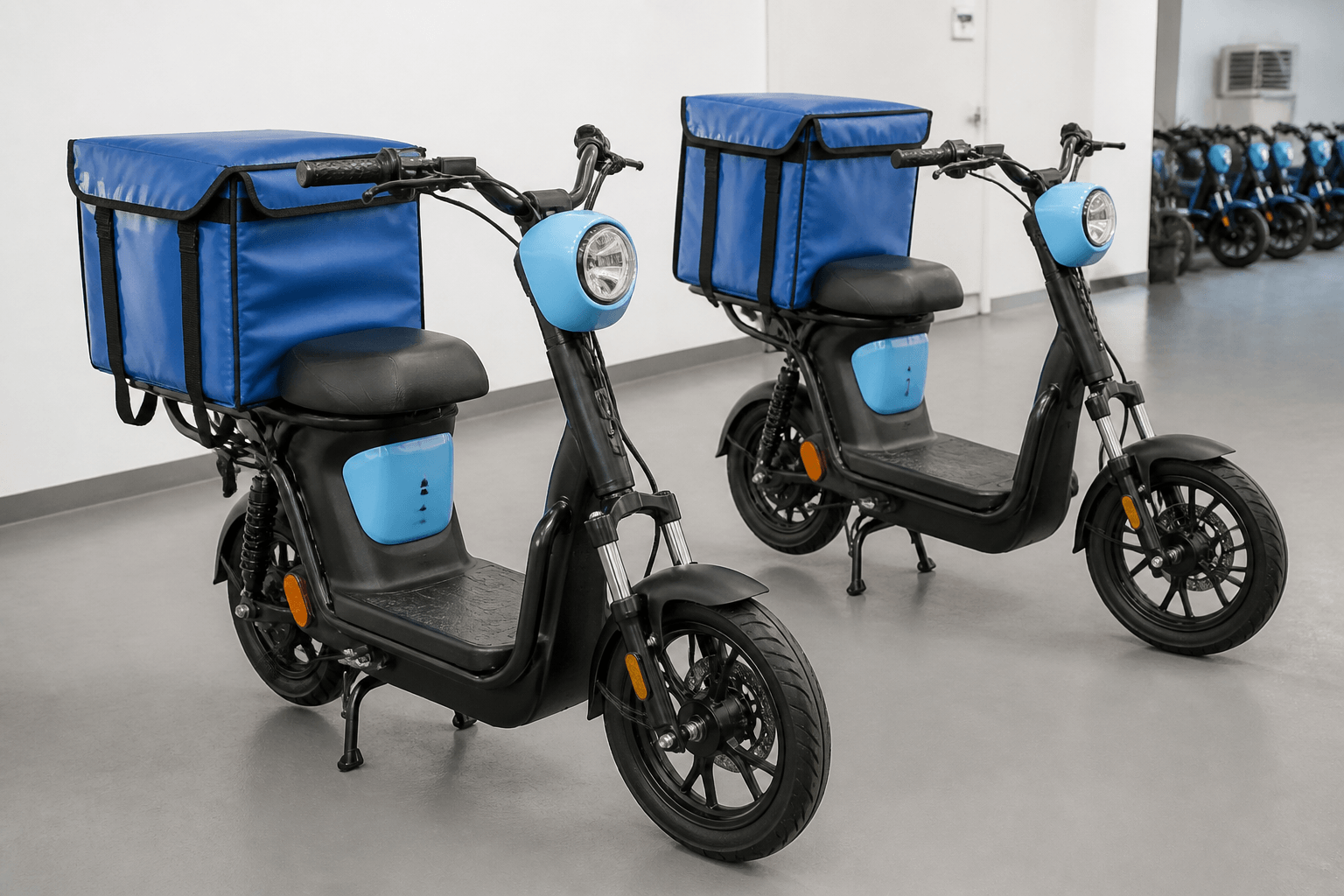
Quick-commerce platforms are expanding at breakneck speed in Indian metros, putting immense pressure on delivery fleets to be cheap, reliable and compliant with tightening emission norms. Yulu, which supplies electric two-wheelers primarily for commercial use rather than personal commuting, sits at the intersection of this transformation. The company’s battery-swapping-enabled e-bikes are already a familiar sight on the streets of Bengaluru, Delhi NCR and Mumbai, where delivery executives use them to zip through traffic and cut operational costs.
Funding Fuels a B2B Mobility Push
The $93 million infusion—the structure of which was not fully detailed in the initial report—will likely be deployed to expand Yulu’s fleet, strengthen its swapping infrastructure and deepen partnerships with quick-commerce players. The company has long positioned itself as a mobility-as-a-service provider for logistics, letting businesses integrate e-bikes without owning the hardware. This model reduces the burden on delivery partners, who otherwise face high fuel and maintenance expenses with internal combustion engine vehicles.
Yulu’s proposition becomes even more compelling in the context of instant delivery. As platforms promise to drop everything from smartphones to groceries at customers’ doorsteps in minutes, they need dense, always-available fleets that can operate around the clock. Battery swapping, a cornerstone of Yulu’s operations, eliminates downtime for charging and keeps vehicles on the road longer. For delivery aggregators, this translates directly into better unit economics and faster turnaround times.
Quick-Commerce Wars Drive Fleet Electrification
India’s quick-commerce sector has witnessed explosive growth, with players like Blinkit, Zepto and Swiggy Instamart pushing the boundaries of delivery speed. The competitive landscape has forced companies to rethink their supply chains, and last-mile delivery is the most cost-intensive leg. Electric two-wheelers offer a path to savings: they cost up to 80% less to run than petrol bikes and are exempt from many city-level restrictions on older vehicles.
Yulu’s fleet is purpose-built for high-frequency, short-distance trips typical of quick-commerce deliveries. The bikes are light, maneuverable and come with swappable batteries that can be exchanged at automated stations within minutes. This ecosystem allows delivery firms to avoid the capital expenditure of setting up their own charging infrastructure while still leveraging the advantages of electric mobility.
The startup’s traction mirrors broader trends in India’s EV adoption. The country’s electric two-wheeler market has been growing rapidly, and commercial use cases are emerging as the strongest driver. Industry analysts point to the fact that fleet operators are more sensitive to total cost of ownership than individual consumers, making them natural early adopters of electric vehicles.
India’s Urban Delivery Landscape Gets a Makeover
The convergence of e-commerce, urban congestion and EV policy is reshaping Indian metros. Cities like Bengaluru are notorious for traffic snarls, and lightweight electric bikes can navigate narrow lanes far more efficiently than vans or motorcycles. At the same time, government initiatives such as the FAME II scheme and various state-level EV policies have created a supportive regulatory environment, nudging logistics companies toward cleaner fleets.
Yulu’s funding news signals that investors recognize the stickiness of this trend. Rather than a temporary spike, the demand for fast, sustainable delivery looks set to embed itself in urban consumption habits. For every new dark store that opens, the need for a reliable electric fleet grows, and Yulu’s asset-light model positions it to capture a significant share of that demand.
“The quick-commerce boom is fundamentally altering the economics of last-mile delivery, and Yulu’s battery-swapping model is emerging as a critical enabler for this new reality,” the TechCrunch report noted, highlighting how the startup is benefiting from the delivery wars.
As the quick-commerce battle intensifies, the pressure on delivery speed and cost will only increase. Yulu’s fresh capital gives it the firepower to scale its operations across more cities and deepen its technology moat. In doing so, it is not just riding the wave—it is helping to build the infrastructure that will define the next generation of Indian logistics.