Hollywood’s Secret AI Council Goes Public: Kathleen Kennedy’s Blueprint to Protect Human Creativity
Behind Closed Doors: The Summit Hollywood Hoped to Keep Quiet
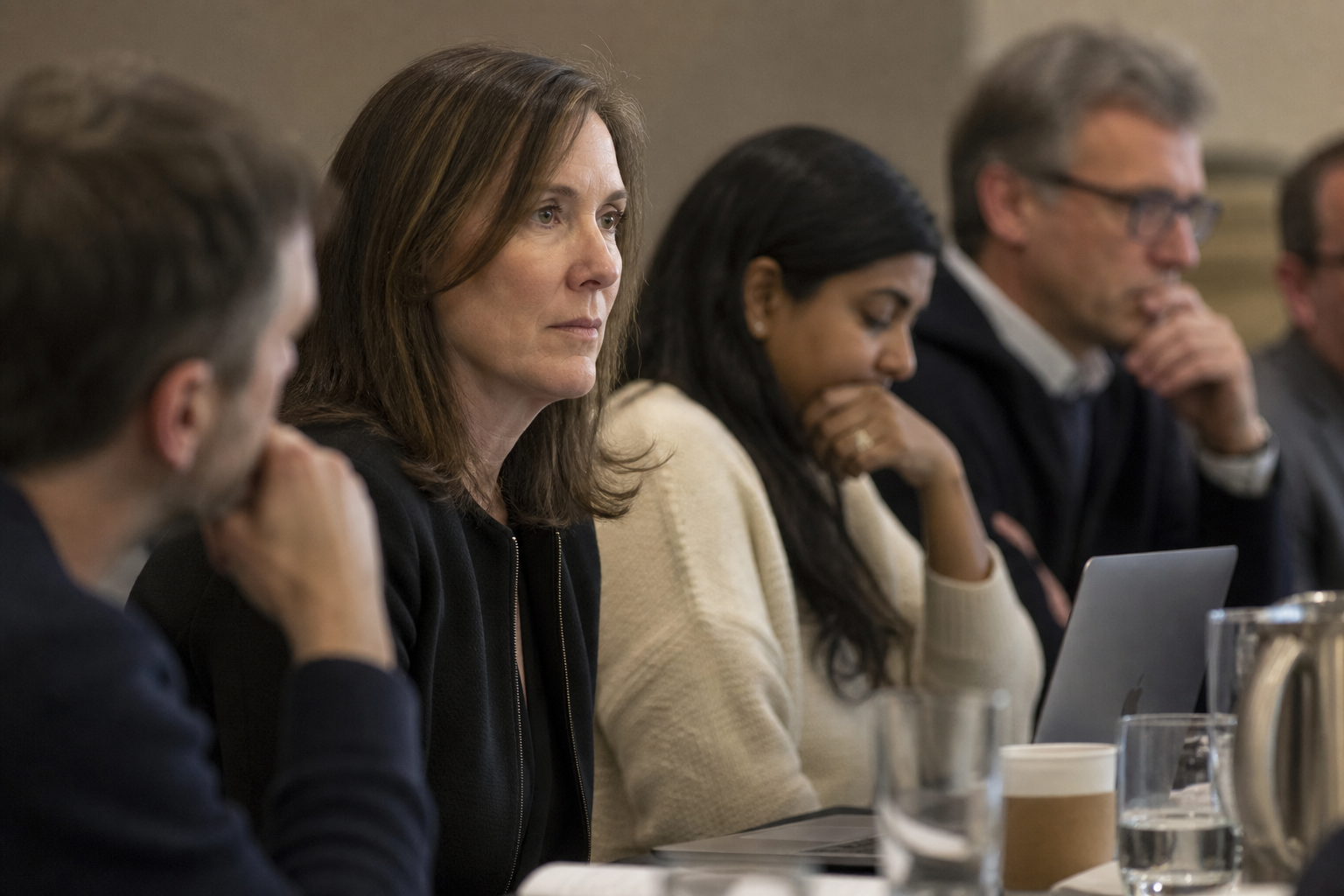
For months, a discreet coalition of Hollywood’s most powerful figures has been meeting in private to confront an existential threat: generative artificial intelligence. Convened by producer and Lucasfilm president Kathleen Kennedy, the gathering brought together Oscar-winning actors, top studio executives, and influential voices from Silicon Valley—all sworn to secrecy. Now, that covert effort is stepping into the light with the release of a “first public framework” that aims to set the rules of the road for AI in film and television.
The framework, which SAG-AFTRA and other industry bodies have been watching closely, marks the first time such a cross-sector group has publicly staked a unified position on where Hollywood should draw the line. And the line, according to those familiar with the discussions, is drawn squarely in favor of protecting human creative labor.
A Rare Coalition: Stars, Studios, and Silicon Valley
The private talks, first reported by The Ankler, included not only studio chiefs and celebrated performers but also representatives from the technology companies developing the very AI tools that threaten to upend traditional filmmaking. By inviting Silicon Valley to the table—rather than simply lobbying against it—the group signaled a desire to shape AI development from within, not just react to its consequences.
“This isn’t about rejecting technology,” said one person close to the process, who was not authorized to speak publicly. “It’s about deciding that the heart of storytelling must remain human.” While the names of the actors and Silicon Valley participants remain under wraps, the presence of multiple Academy Award winners underscores the high stakes for performers whose voices, faces, and movements are now replicable by machine learning models.
Drawing the Line: What the Framework Covers
The new public framework tackles three core areas that have animated Hollywood’s labor battles over the past two years:
- Digital likeness and voice rights: Explicit consent and fair compensation must precede any AI-generated replication of a performer’s image, voice, or performance style.
- Creative decision-making: AI may serve as a tool to assist writers, directors, and editors, but not replace the human judgment that drives narrative, character development, and emotional depth.
- Transparency and accountability: Any use of AI in production must be disclosed, and studios must establish clear pathways for dispute resolution when the technology undermines creative roles.
The framework is not a legally binding contract; rather, it is designed to influence collective bargaining, studio policies, and even future legislation. By making the guidelines public, the group hopes to create a new industry norm that both labor and management can rally behind—before unchecked AI adoption forces a crisis.
Why Now, and Why Secretly?
Hollywood’s anxieties over AI erupted into public view during the 2023 writers’ and actors’ strikes, when unions fought for—and won—contractual protections against indiscriminate use of generative AI. But those agreements were only the first skirmish in a longer war. The technology is evolving faster than the guilds can renegotiate, and fear persists that studios will find workarounds or turn to non-union projects to deploy AI without restraint.
Kennedy’s clandestine approach reflects a desire to avoid the polarizing rhetoric that often accompanies high-profile labor negotiations. By bringing together studio executives—who control the means of production—and talent—who fear being scanned into a digital library forever—the talks sought to build trust and find common ground before battle lines hardened.
“The line they are drawing is in favor of the artist. The message is that AI may accelerate the how, but it must not replace the who.”
Silicon Valley’s Seat at the Table
The inclusion of Silicon Valley figures is perhaps the most surprising element of the coalition. In previous disputes, technology companies were cast as the very source of the problem. Now, by engaging AI developers directly, Hollywood’s creative class hopes to bake ethical constraints into products at the design stage—much as the automotive industry collaborated on safety standards before widespread adoption.
While none of the major AI firms have publicly endorsed the framework, the mere fact that they sent representatives suggests a willingness to treat the entertainment industry as a vital testing ground for responsible AI. If Hollywood can set a precedent that respects both innovation and artists, the thinking goes, other creative sectors—gaming, publishing, music—might follow.
What Comes Next
With the framework now public, the next step is to expand the coalition. Organizers plan to approach additional guilds, international co-production partners, and even policymakers to build a broad consensus. The U.S. Copyright Office and the Motion Picture Association are expected to weigh in as the debate over AI-generated content moves from theoretical to regulatory.
For now, the most significant outcome is that a conversation that began in the shadows—driven by fear and mutual suspicion—has produced a tangible starting point. Whether that starting point can bridge the deep divide between creators and corporate interests remains an open question, but one thing is clear: Hollywood is no longer waiting for AI to happen to it. It is trying to write the first draft of the rules.