Science Cafe Returns Sept. 15 to Tackle AI’s Real-World Impacts
Concord’s Science Cafe to Explore Artificial Intelligence and Its Everyday Consequences
CONCORD, N.H. — A long-running community forum for science is set to make its return on September 15, this time turning its focus to one of the most discussed technologies of our time: artificial intelligence.
Science Cafe, an informal gathering series that brings researchers and residents together for open dialogue, will dedicate its upcoming session to unpacking how AI is reshaping jobs, education, ethics, misinformation, and daily life. The event promises to give locals a chance to move beyond headlines and engage directly with the science behind the tools that increasingly influence their world.
What to Expect from the Sept. 15 Gathering
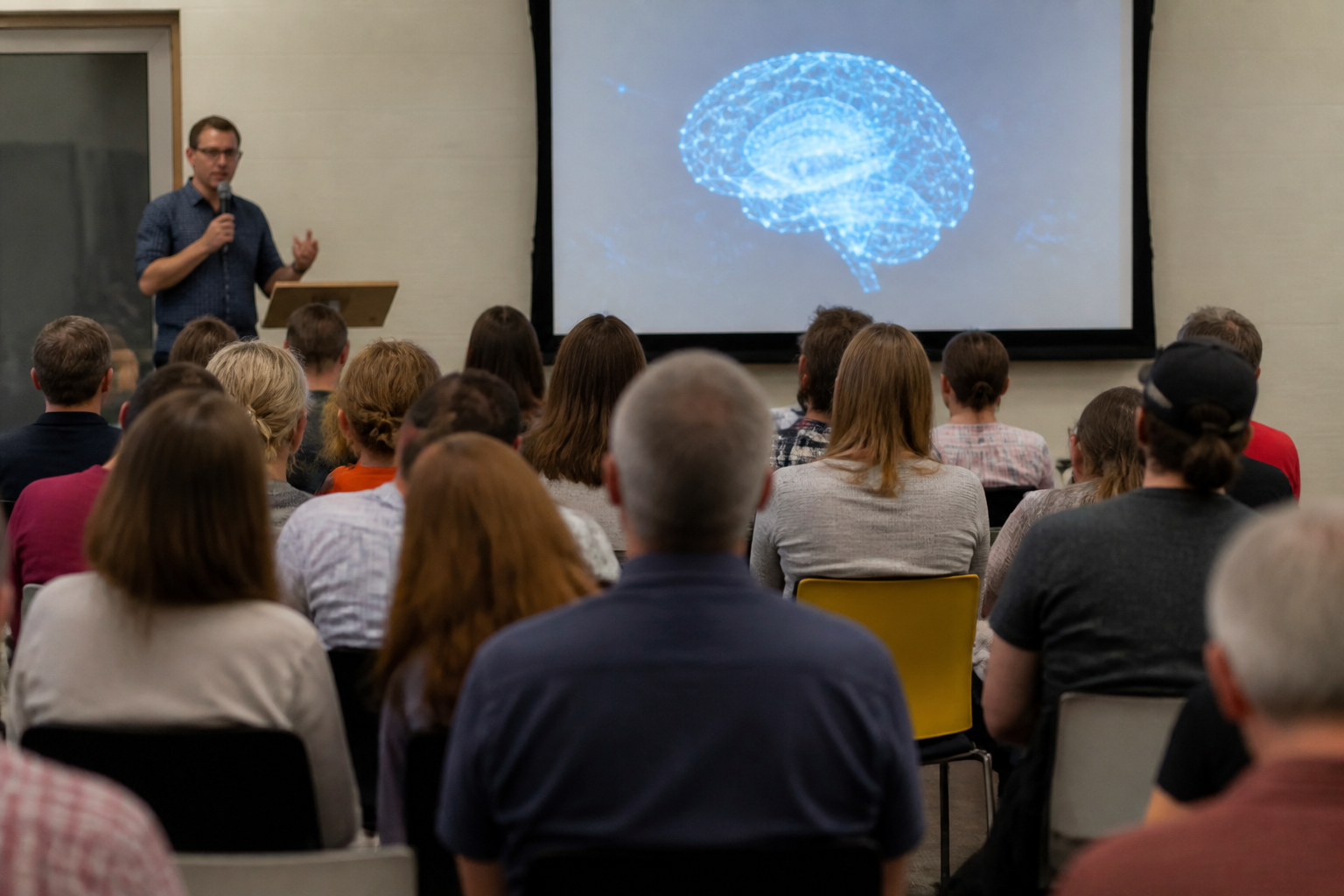
While the specific host organization and venue for the revived Science Cafe have not yet been confirmed through the event’s usual channels, the tradition of such cafés is well established in Concord. Typically held in accessible public spaces like libraries, coffeehouses, or community centers, these gatherings prioritize conversation over lectures. Attendees can expect a short presentation from a working scientist or technologist, followed by a question-and-answer session that invites the audience to steer the discussion.
The September 15 edition will likely mirror that format, with the AI topic deliberately framed to make a complex subject approachable. Organizers have signaled that the evening will cover both the promise of AI—from medical diagnostics to personalized learning—and the perils, including algorithmic bias, deepfakes, and shifts in the labor market.
Why Now? A Community Response to a Global Conversation
The timing of the event aligns with a surge in public curiosity and concern about AI. In the past year alone, generative tools like ChatGPT and image creators have gone from niche experiments to household names, leaving many people wrestling with questions about truth, creativity, and employment. Local communities such as Concord are increasingly seeking spaces where they can separate hype from reality and discuss what regulation or personal safeguards might look like.
National and international bodies have also weighed in. The National Institute of Standards and Technology has published frameworks for managing AI risk, while UNESCO adopted the first global standard on AI ethics. These resources underscore the importance of grounding discussions in evidence, exactly the kind of bridge Science Cafe aims to build.
Artificial Intelligence in the Granite State
New Hampshire’s distinct mix of tech startups, traditional manufacturing, and a strong civic culture makes it a compelling backdrop for an AI conversation. The cafe’s return could also serve as a model for how smaller cities handle the technology’s rollout. Without a single corporate anchor driving the narrative, residents are freer to examine AI’s societal effects from multiple angles—economic, educational, and moral.
Organizers have yet to release a full speaker list, but past Science Cafe events have drawn university researchers, independent developers, and policy thinkers. Whether the upcoming panel will include someone from New Hampshire’s higher education institutions or a visiting expert remains to be seen. The central aim, however, is clear: demystify a technology that is already changing how Granite Staters work, learn, and consume information.
These cafés aren’t about selling a product or pushing a political view,” said a longtime Science Cafe attendee. “They’re about breaking down barriers between science and the public, and AI might be the perfect topic for that right now.”
As the September 15 date approaches, interest is expected to grow. Free and open to all, the Science Cafe offers a rare opportunity to discuss artificial intelligence not as a distant, dystopian concept, but as a real force already woven into the fabric of everyday life.
For those monitoring the broader cultural response to AI, the gathering in Concord is a reminder that meaningful public engagement often happens not in congressional hearings or Silicon Valley launch events, but at the local level, over coffee and curiosity.