Imaging AI Startup Elucid Grabs $55 Million in Fresh Funding to Expand Cardiovascular Detection Tools
Imaging AI vendor Elucid secures $55M funding round
Boston-based medical imaging artificial intelligence company Elucid announced Wednesday that it has raised $55 million in new financing, a vote of confidence from investors in a competitive market for AI-powered clinical software.
The funding round, details of which were limited at the time of the announcement, signals sustained momentum behind healthcare AI tools — particularly those that aim to improve diagnostic precision for cardiovascular disease, one of the world’s leading causes of death.
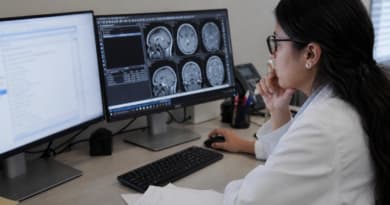
Elucid specializes in analyzing computed tomography angiography (CTA) scans to non-invasively characterize arterial plaque. Its flagship software, ElucidVivo, uses machine learning algorithms to quantify plaque composition and morphology, helping clinicians assess a patient’s risk of heart attack or stroke more accurately than conventional measures like calcium scoring alone.
The company did not immediately disclose the specific investors in the round, the structure of the financing, or its post-money valuation. However, the capital infusion comes at a time when radiology IT and imaging AI vendors are seeing increased interest from venture capital and strategic backers. The global market for AI in medical imaging is projected to grow substantially as healthcare systems seek tools that can reduce diagnostic errors, streamline workflows, and personalize treatment planning.
What the funding means for Elucid’s growth
While Elucid did not provide a detailed breakdown of how it will deploy the $55 million, the company’s leadership indicated in brief remarks that the money would accelerate product development and commercialization efforts. Such a large round typically enables an AI startup to expand its engineering and data science teams, pursue new clinical indications, secure additional regulatory clearances, and grow its sales footprint in the United States and abroad.
Elucid has already established a foothold among cardiologists and radiologists who use CTA to evaluate patients with suspected coronary artery disease. With fresh capital, the company could deepen those relationships, invest in clinical evidence generation, and possibly explore applications in other vascular beds such as carotid or peripheral arteries.
The raise also positions Elucid to compete more aggressively with other imaging AI firms that target the cardiovascular space, as well as with larger medical device and healthcare technology companies that are building or acquiring similar capabilities. The ability to quickly iterate on algorithms and demonstrate improved patient outcomes will be critical as payers and providers evaluate which tools to adopt at scale.
Elucid’s clinical use case and market appeal
Elucid’s core technology addresses a well-documented gap in cardiovascular risk assessment. Current guidelines often rely on indirect measures like cholesterol levels, blood pressure, and coronary calcium scores, which don’t always capture the true vulnerability of arterial plaque. By directly analyzing CTA scans, ElucidVivo provides a tissue-level assessment that can identify high-risk features such as lipid-rich necrotic core or intraplaque hemorrhage — characteristics linked to future adverse events.
This capability is particularly relevant as the use of CTA grows. The ISCHEMIA trial and other major studies have reinforced the value of anatomic imaging in guiding coronary artery disease management, and recent guidelines have widened the recommended role of CTA in evaluating chest pain. Elucid’s software rides that wave, giving imagers and referring physicians a more standardized and quantitative way to interpret complex plaque pathology.
For radiology and imaging professionals, AI tools like Elucid’s promise to reduce reading time, improve inter-reader agreement, and add prognostic information that may not be apparent from a qualitative review alone. Such benefits could help departments manage mounting scan volumes without compromising diagnostic quality.
Investor appetite for radiology AI
The $55 million raise for Elucid is another data point in a broader trend of healthcare AI investment. Over the past year, several radiology-focused AI companies have closed significant funding rounds, and a handful have gone public or been acquired. Venture capital firms see imaging AI as an attractive bet because radiology departments generate vast amounts of structured visual data, and reimbursement models are slowly beginning to recognize the value of AI-assisted analysis.
Moreover, regulatory bodies such as the U.S. Food and Drug Administration have cleared hundreds of AI-enabled imaging devices, creating a pathway for commercialization. Elucid’s software has already received FDA clearance, giving it a de-risked entry point into the U.S. market. New funding will likely help it pursue additional clearances for expanded indications, as well as conformity with European and other international regulatory standards.
The funding also underscores the geographic concentration of AI innovation. Boston, home to Elucid’s headquarters, is a hub for both academic medicine and biotech, offering deep talent pools in machine learning, clinical research, and regulatory affairs. Proximity to leading hospitals provides real-world testing grounds for new algorithms, which can accelerate the refinement and validation cycle that investors value.
While Elucid’s precise plan for the new capital remains to be detailed, the raise unmistakably validates the thesis that advanced imaging analytics will play an expanding role in precision cardiology. For radiologists, technologists, and health system administrators tracking the evolution of imaging AI, the company’s progress — and how it uses this $55 million — will be a story to watch in the months ahead.