AI moves into home care: smarter fall detection, surveillance, and the privacy trade-off
The quiet revolution inside the home
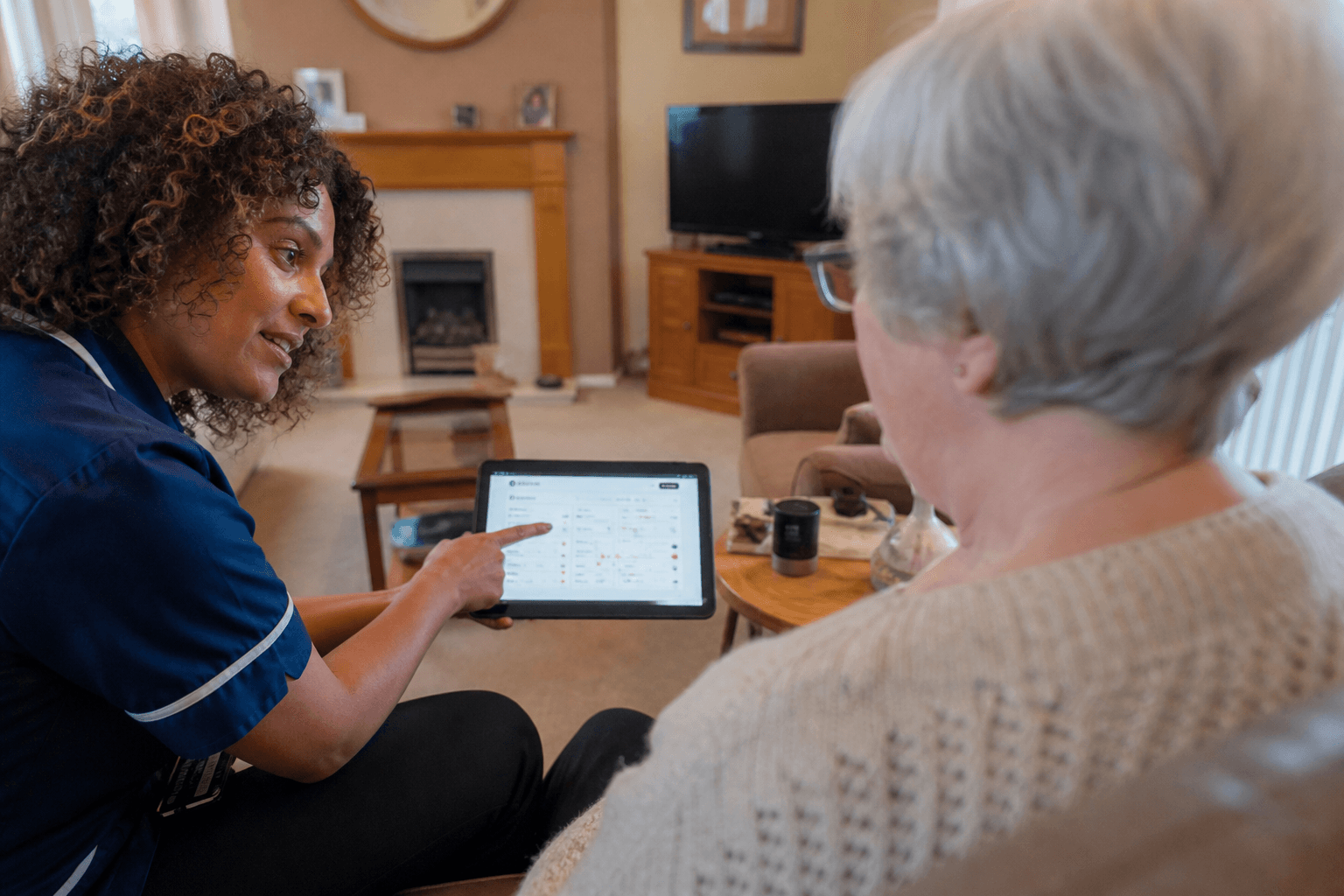
Behind the front doors of an aging population, a technological shift is taking shape that could redefine how older adults live independently. Clinicians are increasingly turning to artificial intelligence to support home care, deploying systems that watch, listen, and learn from daily routines. The promise is compelling: earlier detection of health problems, faster responses to emergencies like falls, and a layer of oversight that reduces the strain on human caregivers. But the same sensors that could save a life are also raising urgent questions about privacy, consent, and who gets to control the stream of intimate data flowing from the home.
Why falls are the front line of AI home monitoring
Falls remain one of the most serious threats to older adults living independently, a fact that has made fall detection a primary use case for AI-enabled home care. Traditional medical alert pendants rely on a button press, but an older person who has lost consciousness or is disoriented may never activate the device. AI-powered systems take a different approach, using a combination of wall-mounted sensors, wearable devices, and camera-based algorithms to recognise the biomechanical signature of a fall in real time. When a suspected fall is detected, alerts can be routed immediately to family members, emergency services, or a remote clinical monitoring team, drastically cutting response times.
Beyond the alert: continuous remote health monitoring
Fall detection is just the most visible application. The broader vision involves continuous, passive monitoring that builds a picture of an individual’s health baseline over weeks and months. Movement sensors track gait speed and bathroom visit frequency; smart mattresses record sleep quality and heart rate; kitchen sensors log meal preparation patterns. Machine learning algorithms then analyse deviations from that baseline—a sudden drop in activity, a change in walking stability, or extended periods of inactivity—flagging them for review. For clinicians, this means the potential to intervene before a minor decline becomes a hospitalisation. For families, it offers reassurance that someone is keeping an eye on their loved one even when no caregiver is physically present.
Clinicians weigh augmentation against replacement
In the conversations documented among clinicians and home-care providers, a clear consensus emerges: AI is seen as a support tool, not a substitute for human connection. The technology is intended to extend the reach of overstretched care teams, filtering the noise of everyday life so that clinicians can focus on the signals that matter. A home health aide who visits twice a week might miss subtle changes that a continuous monitoring system registers. Combined, the human and the machine create a care network that is more responsive than either could be alone.
The privacy equation
That added protection does not come free. The data collected by AI home care systems can be extraordinarily intimate—patterns of movement, bathroom use, conversations picked up by microphones, even emotional states inferred from voice analysis. Privacy advocates and regulators are asking hard questions about consent, particularly for older adults with mild cognitive impairment who may not fully grasp what they are agreeing to. Data security adds another layer of risk: a breach could expose sensitive health records or, in the case of camera feeds, images from the most private spaces in a person’s life.
Who controls the data, how AI systems are trained and validated, and whether the tools perform equally well across different older adult populations are questions that remain largely unresolved.
The equity and accuracy challenge
Researchers and clinicians are also grappling with fairness. AI models trained predominantly on data from white, English-speaking populations may misinterpret the movement patterns, speech, or daily habits of older adults from other racial, ethnic, or cultural backgrounds. A fall detection algorithm that works well in a single-story suburban home may perform poorly in a multi-generational urban apartment. Without rigorous, diverse validation studies, there is a genuine risk that these systems will widen existing health disparities rather than close them.
What comes next
The push toward AI-supported home care is unlikely to slow down. An aging demographic curve, a shortage of home health workers, and the broader digitisation of health care are converging to make it a priority. The challenge for regulators, technology companies, and care providers is to build frameworks that demand transparency about how algorithms work, mandate informed consent that is genuinely meaningful, and hold systems to standards of accuracy and equity that match their life-and-death responsibilities. For clinicians on the ground, the immediate task is learning how to use these tools wisely—embracing the insights they provide while respecting the person behind the data.