Zhu Rongji, Chinese Premier Who Led Market Reforms and WTO Entry, Dies at 97
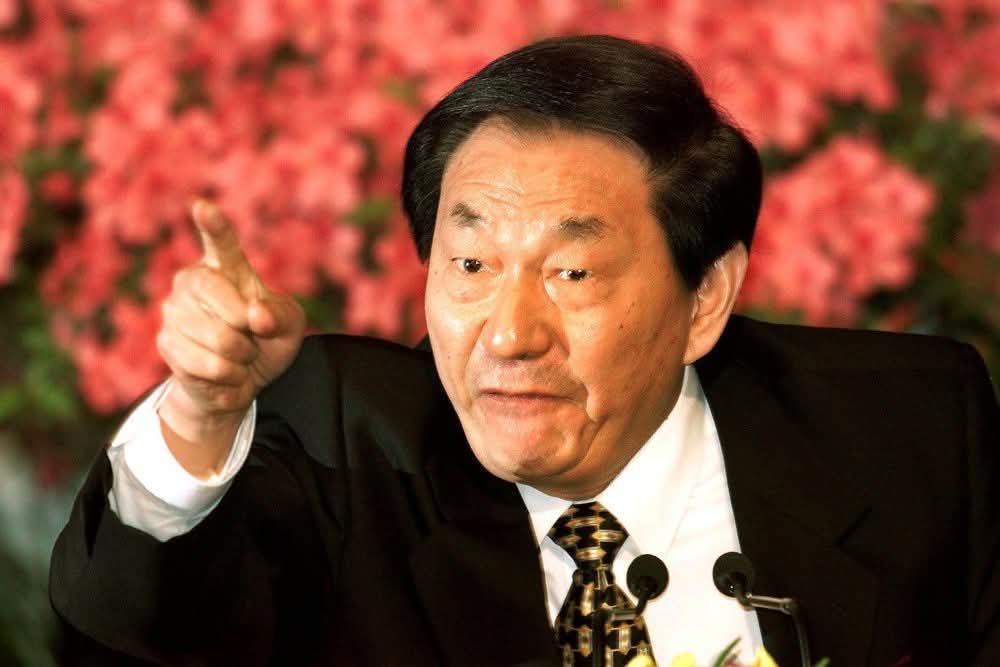
BEIJING — Former Chinese Premier Zhu Rongji, the sharp-tongued, impatient reformer whose market-oriented policies helped unleash China’s explosive economic growth and secured its entry into the World Trade Organization, has died at the age of 97.
Zhu, who served as premier from 1998 to 2003, was a towering figure in the late 20th-century transformation of China from a centrally planned backwater into a global economic powerhouse. His death marks the passing of one of the last architects of the reform era that lifted hundreds of millions out of poverty.
A Forceful Reformer with an Iron Will
Known for his no-nonsense demeanor and a willingness to confront entrenched interests, Zhu earned a reputation as a man who got things done. Born in 1928 in Changsha, Hunan province, and orphaned at a young age, he studied electrical engineering and joined the Communist Party in 1947. After a stint as a mayor of Shanghai, where he revitalized the city’s economy, he rose to vice premier and then premier, emerging as the most powerful economic policymaker of his generation.
A trained engineer and technocrat, he was determined to impose fiscal discipline and market logic on China’s sprawling state sector. He famously told a news conference at the start of his premiership: “I am prepared to brave a minefield or an abyss — and I will not shrink from my duties.”
“I am prepared to brave a minefield or an abyss — and I will not shrink from my duties.”
That combative spirit defined his tenure. He slashed bureaucratic red tape, shut down thousands of loss-making state-owned enterprises, and forced inefficient industries to modernize. The restructuring of China’s banking system, the creation of securities and insurance regulators, and the dismantling of the “iron rice bowl” of guaranteed lifetime employment all happened on his watch. Millions of state workers lost their jobs, inflicting short-term pain that Zhu argued was the price of long-term national strength.
Architect of WTO Accession
Zhu’s most lasting legacy may be his central role in negotiating China’s accession to the World Trade Organization, a process that took 15 years. He personally led tough talks with the United States and other powers, sometimes in marathon sessions, overcoming fierce domestic opposition from protectionist factions within the party. In a memorable 1999 meeting, he offered concessions on agriculture, finance and telecommunications that many at home considered too generous, but which finally broke the deadlock.
China’s accession in December 2001 bound the country to global trade rules, slashed tariffs, and flung open its doors to foreign investment. In the two decades that followed, China’s gross domestic product expanded more than eightfold, transforming it into the world’s factory floor and, later, a major consumer market and technology rival.
Economic Legacy and Mixed Reactions
Chinese state media on Thursday remembered Zhu as a “far‑sighted economic architect” who “resolutely pushed forward difficult reforms.” Economists routinely rank him alongside Deng Xiaoping as a key shaper of China’s economic miracle. His policies are credited with stabilizing the economy during the Asian financial crisis of the late 1990s, taming runaway inflation, and kick‑starting the homeownership and stock market revolutions that broadened Chinese wealth.
Yet his blunt style and the social costs of his reforms meant his popularity was uneven. The mass layoffs of state workers earned respect for his conviction but also lasting bitterness among those who suffered. He left office as one of the most polarizing and consequential leaders of the post‑Mao era.
Later Years and Final Chapter
After stepping down, Zhu largely avoided the political spotlight, though his rare public appearances always drew intense attention. His death, confirmed by state media, closes a chapter on a generation of leaders who gambled on market forces to reshape China’s destiny. He was 97.
As China navigates a slowing economy and rising geopolitical tensions, the legacy of his market‑opening gambits remains a touchstone for debate on the future direction of the world’s second‑largest economy.