
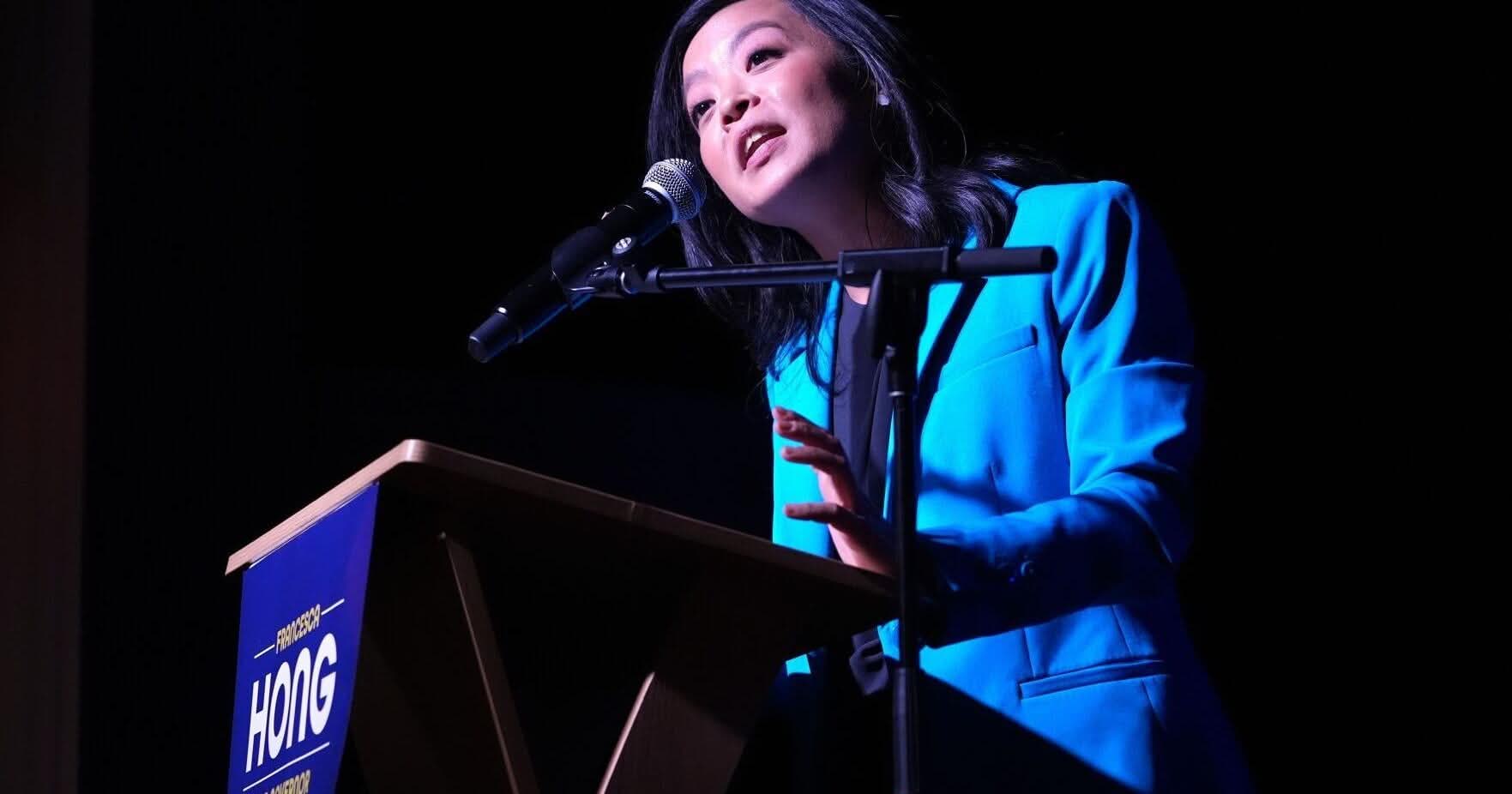
Wisconsin Primary Delivers Stinging Defeat to Progressive Left as Establishment Rallies
Madison, Wis. – In a high-stakes primary that tested the ideological fault lines of the modern Democratic Party, the establishment struck back decisively in Wisconsin on Tuesday. Party leaders successfully coalesced around a moderate candidate, delivering a defeat to a democratic socialist challenger and signaling a potential strategic shift for the party in critical swing states ahead of the November general election.
The results represent more than a local victory; they offer a clear snapshot of intraparty power dynamics as Democratic leadership and aligned groups work aggressively to consolidate behind pragmatists in competitive races. The primary served as a microcosm of the ongoing national debate over the party’s direction, pitching a vision of progressive structural change against a moderate, electability-focused message.
A Calculated Consolidation
The Democratic establishment did not leave the outcome to chance. According to party insiders and campaign finance disclosures, a coordinated network of endorsements, messaging, and outside-group support played a decisive role in shaping the electorate. By framing the moderate candidate as the safest bet to hold a crucial seat in a purple state, party leaders successfully appealed to Wisconsin voters wary of a turn too far to the left.
This consolidation was a direct response to the surge of progressive energy that has animated parts of the party base in recent cycles. Endorsements from prominent elected officials and strategic fundraising from aligned political action committees helped the moderate candidate overcome a spirited challenge from the left, underscoring the enduring influence of institutional power in state-level primaries.
Ideological Crossroads in a Swing State
Wisconsin’s status as a perennial swing state elevated the primary’s significance beyond its borders. The contest became a proving ground for competing theories of how Democrats can win: championing bold, unapologetic progressive policies or presenting a tempered, broad-appeal platform. The outcome suggests that, for now, the party’s governing wing retains a firm grip on navigating contested terrain.
National Democratic strategists closely monitored the results, viewing them as a potential blueprint for intervening in similar primaries elsewhere. The lesson learned, one insider noted, is that early and decisive institutional backing can counter grassroots insurgencies, particularly when tied to an argument about general-election viability.
Implications for November and Beyond
The primary’s resolution has immediate implications for the general election, where Democrats aim to maintain or expand their foothold in the Midwest. By nominating a moderate, the party hopes to attract independent and suburban voters who have proven decisive in recent Wisconsin elections. The result also sends a message to progressive activists that while their energy is valued, the party apparatus will not cede control of its most strategic races lightly.
As the dust settles on Tuesday’s vote, the Wisconsin primary stands as a stark reminder that the Democratic Party remains a coalition of often-conflicting visions. The establishment’s win is poised to embolden party leaders to take a more assertive role in shaping the slate of candidates who will carry the party’s banner in November, reinforcing a centrist approach in the very places where control of the national agenda is often decided.
“This wasn’t just about one candidate or one state,” a veteran Democratic consultant reflected after the results were clear. “It was a deliberate course correction.”