
Race Against Time: Search for 200 Missing After Colombia’s 7.4 Earthquake
Search Operations Expand as Hope Dwindles
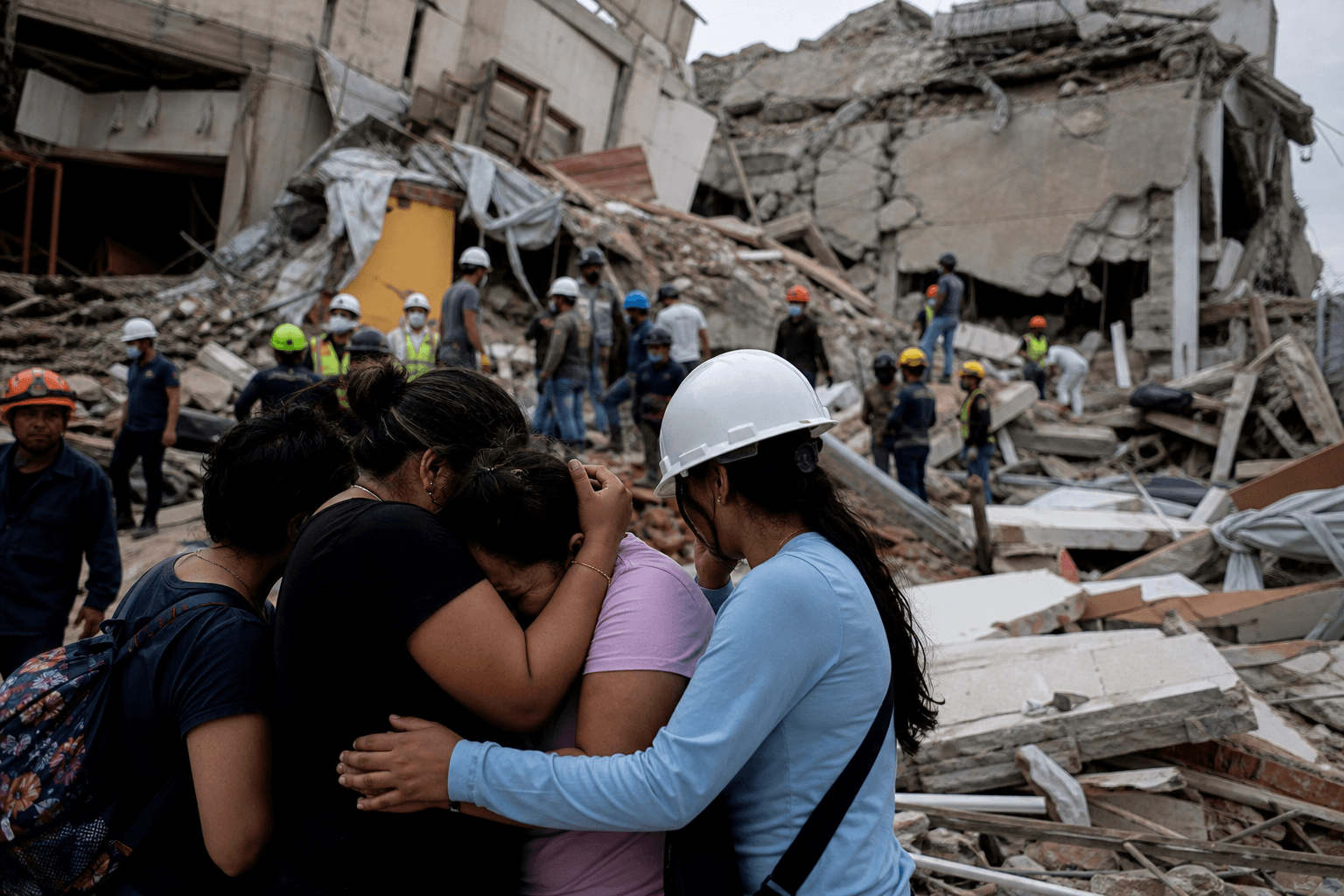
Rescue teams are battling against the clock in Colombia, where around 200 people remain unaccounted for after a devastating magnitude 7.4 earthquake ripped through the country. The powerful tremor, recorded by the U.S. Geological Survey (USGS), has triggered a massive emergency response as families desperately await news of their loved ones.
The search for the missing is now the central focus of operations, with crews combing through rubble-strewn neighborhoods, remote hillsides, and collapsed structures. Colombia’s National Unit for Disaster Risk Management (UNGRD) is coordinating the multi-agency effort, deploying firefighters, military personnel, and specialized urban search-and-rescue teams to the hardest-hit zones.
Harrowing Wait for Families
The human toll is mounting with each passing hour. While official casualty figures are being cautiously updated, the number of missing has settled at approximately 200, a figure that has jolted the nation and drawn international attention. In makeshift shelters and along cordoned-off streets, relatives gather, clinging to photographs and hoping for a miracle.
“We just want to know if they are alive. The waiting is unbearable,” one resident told local media, echoing the anguish felt across affected communities.
The government has set up emergency communication centers to help reunite separated families, but damaged infrastructure—cracked roads, downed power lines, and disrupted mobile networks—is slowing the flow of reliable information. Authorities have urged patience as they work to verify reports and avoid spreading unconfirmed casualty numbers.
Challenges on the Ground
Rescue efforts are being hampered by a combination of difficult terrain, structural instability, and a series of aftershocks that continue to rattle already-weakened buildings. In mountainous areas, landslides triggered by the quake have buried homes and blocked key access routes, forcing responders to reach remote villages by helicopter or on foot.
Urban centers have not been spared. In densely populated neighborhoods, pancaked concrete and twisted steel present a lethal maze for search dogs and their handlers. Heavy lifting gear and acoustic detection devices are being used to locate survivors trapped in voids, but the window for finding people alive shrinks with each nightfall.
Weather conditions are also threatening to complicate operations further. Forecasts of heavy rain in the coming days raise fears of flash flooding and additional mudslides, which could endanger both the rescue teams and anyone still clinging to life under the debris.
Humanitarian Response Ramps Up
Beyond the immediate search, a large-scale humanitarian effort is underway. Tens of thousands of residents have been displaced, forced into temporary shelters set up in schools, sports stadiums, and community centers. The UNGRD and humanitarian partners are rushing to deliver safe drinking water, food parcels, blankets, and medical aid, with field hospitals treating the injured.
Health officials are particularly concerned about the risk of waterborne diseases in overcrowded shelter conditions and are prioritizing sanitation supplies and hygiene promotion. Psychological first aid teams are also being mobilized to support traumatized survivors, many of whom lost everything in the disaster.
The international community has expressed solidarity, with neighboring countries and global aid organizations offering assistance. While the Colombian government has not issued a formal request for international teams, informal coordination is already taking place to channel support where it is most needed.
Infrastructure Damage and Economic Blow
Early assessments point to severe infrastructure damage. Bridges have buckled, severing vital transport corridors, while several hospitals report structural cracks that forced partial evacuations—further straining medical capacity just when it is needed most. Schools and cultural heritage sites have also been hit, deepening the long-term impact on communities.
The economic cost will be staggering, analysts say, with repair bills likely running into billions of pesos. The disaster is a painful reminder of Colombia’s seismic vulnerability, a reality underscored by the USGS data that pinpointed the shallow depth of the quake, which amplified its destructive power at the surface.
Government Vows Full Support
President Gustavo Petro, who visited some of the affected areas, has pledged that all available resources will be directed toward rescue and relief. In a televised address, he called for national unity and confirmed that a national disaster declaration is being processed to unlock emergency funds and speed up international procurement.
The defense ministry has deployed additional engineering battalions to clear roads and set up mobile bridges, while the air force continues to evacuate the wounded from cut-off regions. Despite the scale of the tragedy, rescuers maintain that lives can still be saved, citing past earthquakes where survivors were pulled from the rubble days after the initial impact.
As night falls again over the disaster zone, searchlights illuminate the wreckage and the work grinds on. With 200 souls still missing, the nation holds its breath, hoping that each new hour brings not just progress, but a reunion.


