Air Force Academy Enters New Era as Lt. Gen. Paul Moga Takes Helm as 23rd Superintendent
A New Chapter at the Academy
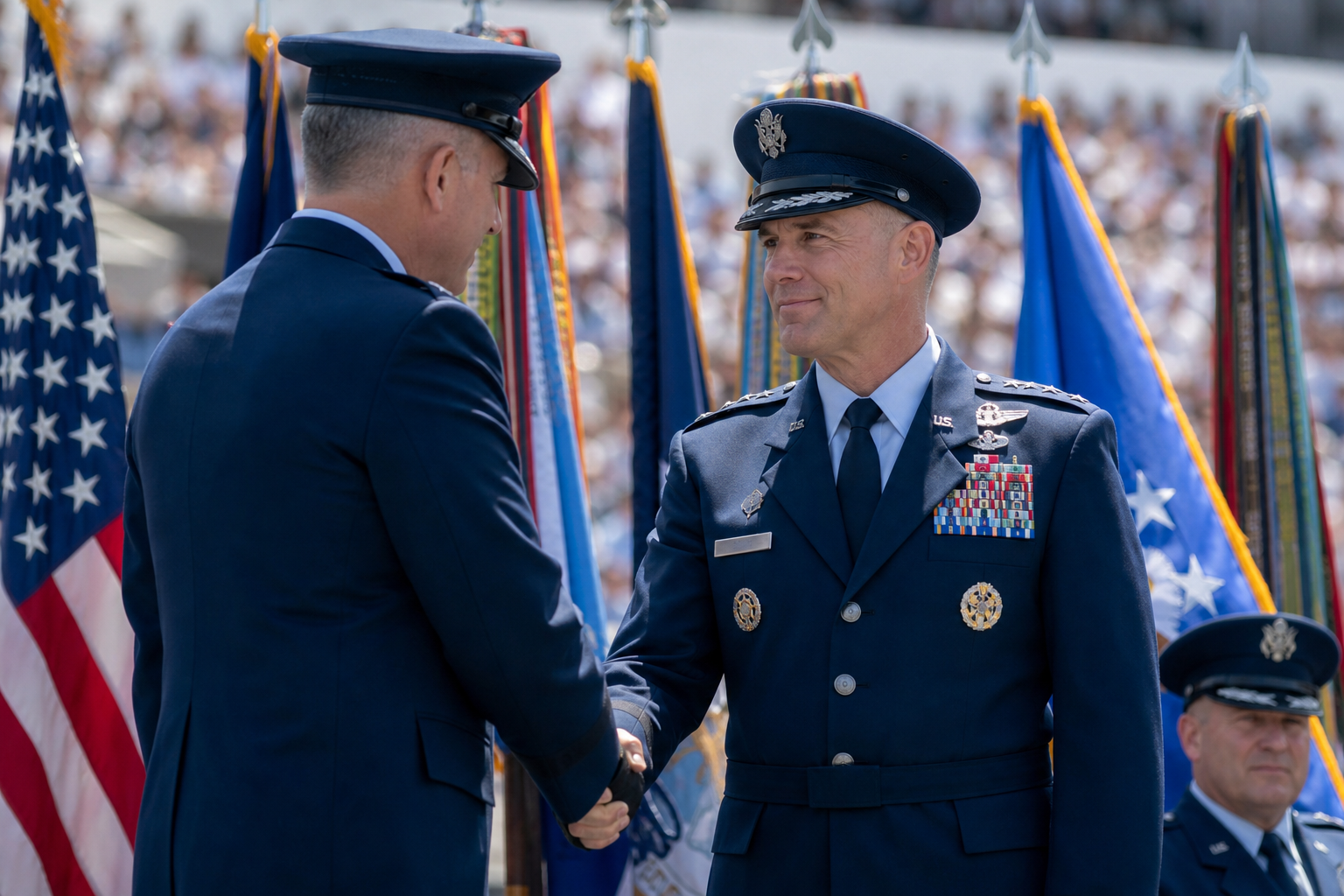
The United States Air Force Academy has officially welcomed Lt. Gen. Paul D. Moga as its 23rd Superintendent, marking a significant leadership transition at one of the nation’s premier military educational institutions. The change of command ceremony, steeped in military tradition, signals both continuity and a fresh strategic direction for the Academy located in Colorado Springs, Colorado.
The Change of Command Ceremony
The formal assumption of command represents the core of the Air Force’s regular succession process. As the 23rd Superintendent, Lt. Gen. Moga now holds the highest position of authority at the Academy, bearing ultimate responsibility for the development, education, and training of approximately 4,000 future officers annually. The ceremony itself is a visual representation of the seamless transfer of responsibility, ensuring that the institution’s mission never falters during periods of transition.
Who is Lt. Gen. Paul D. Moga?
Lt. Gen. Moga steps into the role with a deep reservoir of operational and command experience across the broader U.S. Air Force. While his complete military biography details a long-standing career in fighter aviation and high-level staff assignments, his appointment reflects the Air Force’s confidence in placing a leader with extensive operational background at the head of the undergraduate officer training hub. Understanding the background of a new superintendent is crucial, as the individual influences everything from curriculum emphasis to the character development of cadets.
Mission Continuity and Future Vision
The transition occurs within the broader context of the Academy’s unwavering mission: to educate, train, and inspire men and women to become officers of character motivated to lead the United States Air Force and Space Force in service to the nation. With a new superintendent comes the inevitable question of vision. While military academies rely heavily on institutional inertia and established regulation, a commanding officer’s personal priorities often shape the emphasis on specific areas such as technology integration, space force readiness, or military ethics.
Implications for Cadet Development
For the cadet wing, the arrival of a new superintendent is a defining moment. The Superintendent sets the command climate. Lt. Gen. Moga’s leadership style and strategic messaging will soon trickle down through the Cadet Wing and the permanent party staff. The primary goal remains the consistent production of high-quality second lieutenants, but the methodology and focus points can shift. Observers of military education will be watching closely to see how the newly minted 23rd Superintendent addresses modern challenges including cyber warfare education, artificial intelligence, and the growing demands of the space domain.
The United States Air Force Academy is the core institution involved; the event centers on its senior leadership structure. The transition is part of the Air Force’s regular command succession process, emphasizing continuity and military tradition.
The Road Ahead
As Lt. Gen. Moga settles into the historic role, the Academy community looks forward to a period of stability and potential innovation. The change of command not only honors the outgoing leadership but sets the stage for the next phase of excellence at the base of the Rocky Mountains. The United States Air Force Academy remains focused on its foundational goal of forging the next generation of leaders, now under the distinguished command of its 23rd Superintendent.