Canada Begins Collecting New Tariffs on US Goods as Trade War Escalates
Canada Begins Collecting New Tariffs on US Goods as Trade War Escalates
Canada officially began collecting a fresh round of tariffs on United States imports on Tuesday, marking a significant escalation in the cross-border trade dispute that has been simmering between the two economic partners. The move underscores a deepening rift over competing economic strategies, with both nations doubling down on protectionist measures that threaten to disrupt one of the world’s largest bilateral trading relationships.
Tariffs Now in Effect as Policy Clash Intensifies
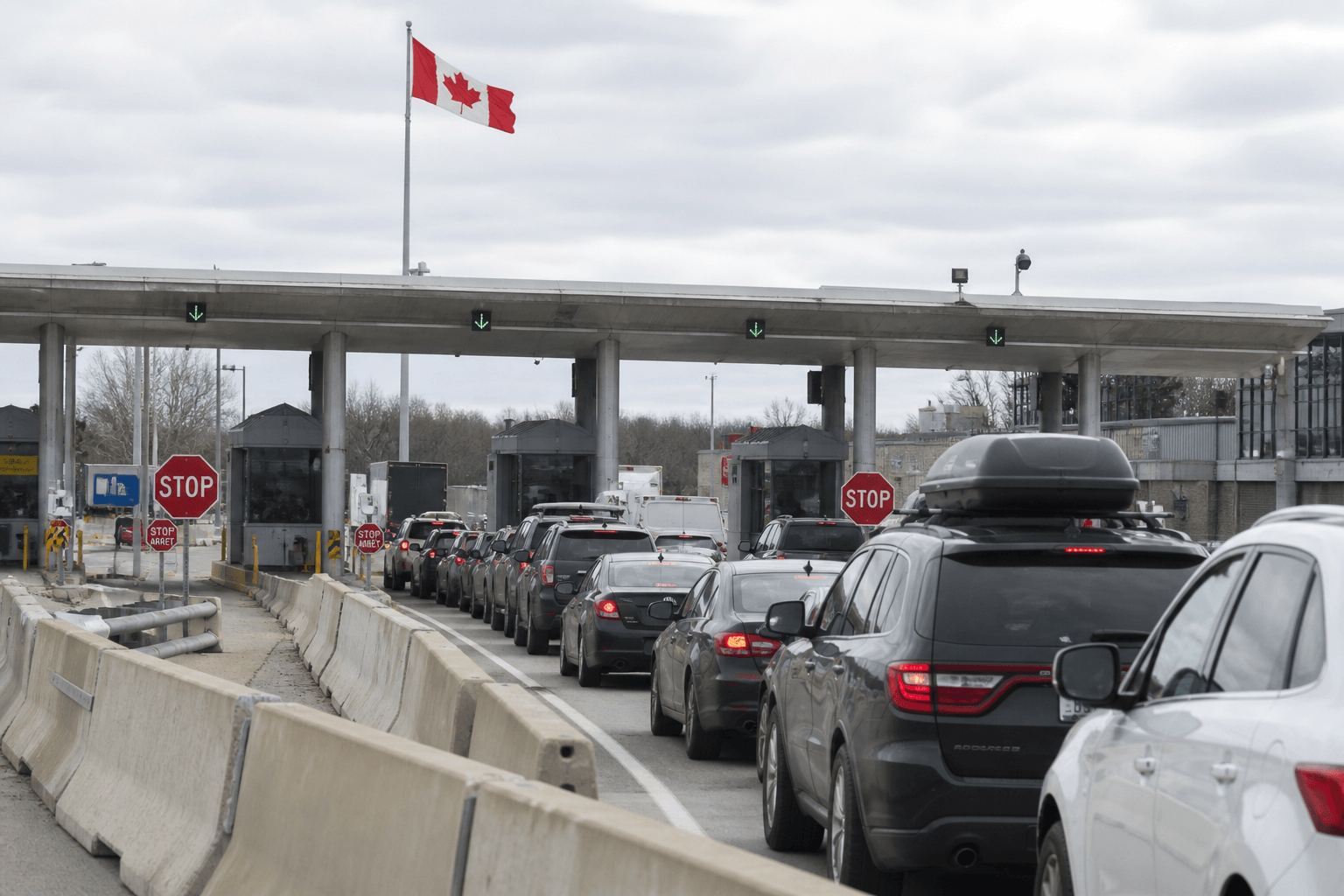
The new tariffs took effect immediately and are now being enforced at Canadian ports of entry, targeting a range of goods manufactured in the United States. While the full scope of affected product categories is still being assessed by trade analysts, the measures appear to be broad-based rather than narrowly targeted, signaling Ottawa’s willingness to match Washington’s aggressive trade posture with reciprocal economic force.
Government officials in Canada have framed the tariffs as a necessary response to what they describe as unfair trade practices originating south of the border. The escalating dispute reflects a fundamental divergence in how the two historically aligned neighbors are approaching industrial policy, supply chain resilience, and domestic manufacturing priorities in an increasingly competitive global economy.
Which US Goods Are Affected?
Trade economists tracking the dispute note that the Canadian tariff package covers several key sectors with heavy cross-border trade volumes. Affected categories are understood to include:
- Agricultural products and processed foods
- Steel and aluminum products
- Consumer goods and household appliances
- Automotive parts and components
- Plastics and chemical products
The breadth of the tariff list suggests that Canadian policymakers designed the measures to maximize economic leverage while sending an unmistakable political signal to U.S. negotiators. Industries that rely on integrated North American supply chains are expected to feel the impact most acutely in the coming weeks.
US Response and Possible Retaliation
As of Tuesday, the Office of the United States Trade Representative had not issued a formal statement directly addressing Canada’s latest action. However, trade watchers anticipate that a response from Washington could materialize rapidly, potentially in the form of new or expanded tariffs on Canadian exports. The tit-for-tat dynamic has been a hallmark of the dispute thus far, with neither side showing signs of backing down.
“What we’re seeing is a fundamental renegotiation of the economic relationship in real time, and both governments appear willing to absorb short-term pain for what they perceive as long-term strategic gains,” said one trade policy analyst familiar with the negotiations.
Diplomatic channels between Ottawa and Washington remain open, though the prospects for an immediate de-escalation appear uncertain. Behind-the-scenes discussions are reportedly continuing, but public posturing on both sides suggests that additional retaliatory measures cannot be ruled out.
Ripple Effects on Businesses and Consumers
The practical consequences of the tariff escalation are already beginning to materialize along the Canada-U.S. border, where thousands of trucks cross daily carrying components and finished products that underpin integrated industries. Importers and exporters on both sides now face higher costs, which analysts warn will inevitably be passed on to consumers in the form of price increases.
Small and medium-sized enterprises that depend on cross-border trade are particularly vulnerable. Many lack the financial cushion to absorb sudden cost increases, and some may be forced to seek alternative suppliers or reconsider their North American market strategies entirely. The World Trade Organization has long tracked such disputes, and this latest escalation adds to a growing list of trade frictions reshaping global commerce.
Industries with heavily integrated supply chains — notably automotive manufacturing, agriculture, and food processing — face the greatest disruption risk. Components that cross the border multiple times during production could be subject to cumulative tariff costs, eroding the competitiveness of North American-made goods in global markets.
Broader Economic Strategy at Play
Beyond the immediate tariff action, trade experts note that the dispute reflects a broader clash over economic sovereignty and industrial policy. Both Canada and the United States are increasingly prioritizing domestic production capacity, reshoring of critical supply chains, and reduced dependence on foreign inputs — even those originating from longtime allies and trading partners.
The Canadian government has signaled that additional trade policy adjustments may follow, depending on how Washington responds in the days and weeks ahead. For businesses and consumers on both sides of the border, the message is clear: the era of frictionless U.S.-Canada trade, at least for now, is on hold. For official details on Canada’s trade policy framework, refer to the Government of Canada’s website.