How NMSU Grants Is Redefining Adult Education With a Student-Centered Model
For Stella Johnson, earning her high school equivalency credential was never just about filling a blank on a résumé. It was a deliberate, life-altering step—an act of reclaiming a future she had once set aside. Her journey through New Mexico State University’s Grants Adult Education program speaks to a quiet revolution underway in adult learning, one that puts the whole student, not just the syllabus, at the center of the classroom.
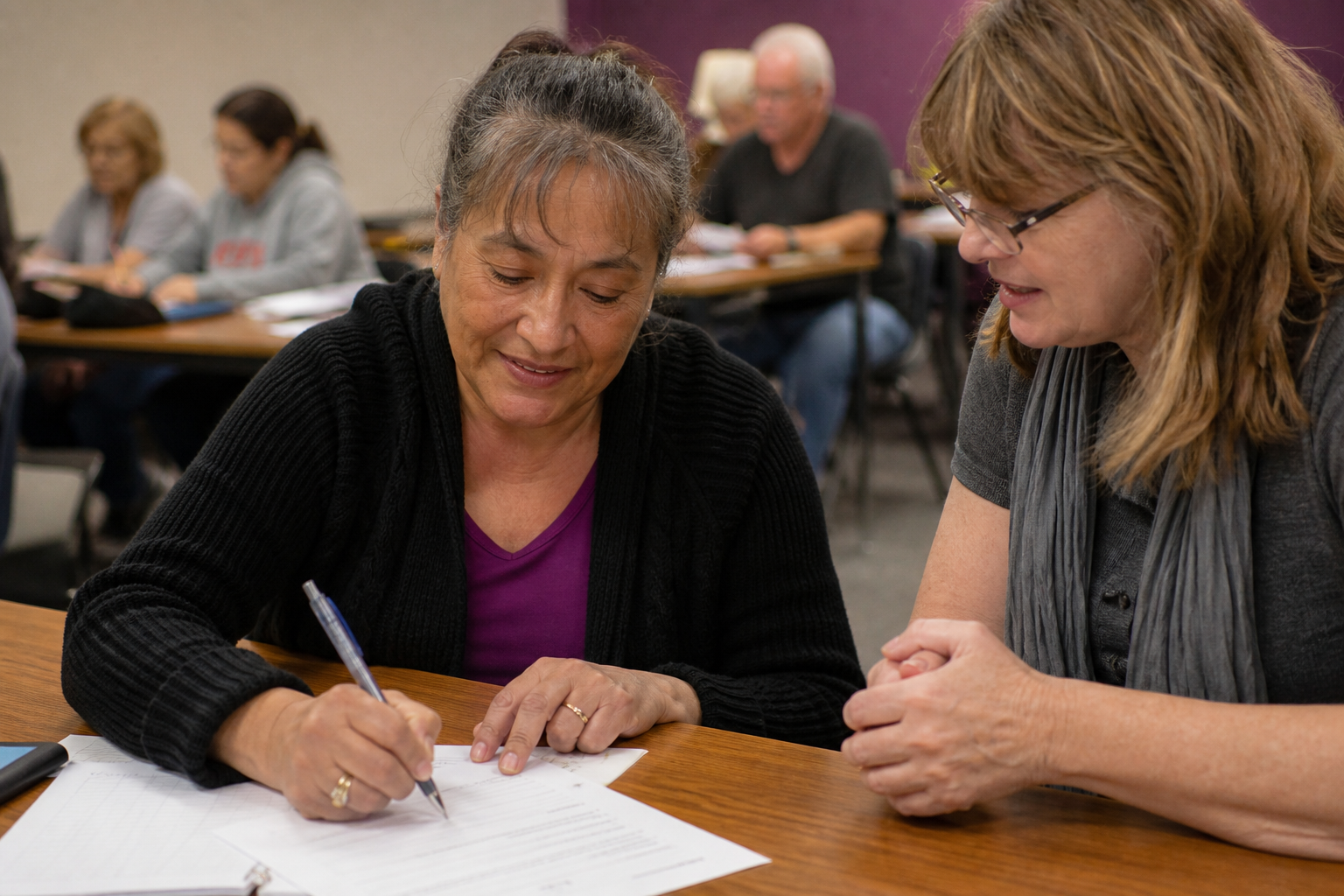
Nestled in the small city of Grants, New Mexico, the NMSU Grants campus has become a lifeline for adults who left the traditional school system before graduating. The program is not a one-size-fits-all GED prep factory. Instead, it operates as a student-centered support hub, tailoring its services to the messy, complex realities of adult life. Students like Johnson—who may be balancing jobs, children, and years of educational gaps—find not just teachers but coaches, advisors, and a community that expects them to succeed.
“Student-centered” here is more than a buzzword. It means flexible scheduling that accommodates shift work. It means individualized learning plans that identify not only academic weaknesses but also the personal barriers—transportation, childcare, digital access—that so often derail adult learners. The program deploys dedicated advisors who help students map out a pathway that extends beyond the equivalency exam: into certificate programs, community college, or immediately into the workforce. This holistic approach, program leaders say, acknowledges that the decision to return to a classroom is deeply personal and often freighted with anxiety. The goal is to dismantle that anxiety with unwavering, practical support.
NMSU Grants is part of a larger constellation of adult education services across New Mexico, often coordinated in partnership with the New Mexico Higher Education Department’s Adult Education Division. These programs collectively serve thousands of New Mexicans every year, helping them earn a nationally recognized high school equivalency diploma, such as the GED. The GED Testing Service has long established that credential holders see measurable gains in employability and earnings, but the difference at NMSU Grants, students and staff say, is the refusal to let anyone slip through the cracks simply because life got in the way.
Unlike a traditional high school setting where the pace is fixed and the curriculum rigid, the adult education model at NMSU Grants is built around the understanding that adults learn differently. Many carry past experiences of academic failure or frustration. The program counters this by breaking content into manageable modules, offering one-on-one tutoring sessions, and embedding digital literacy training so that students are not only prepared for an exam but for a world where computers are the gateway to nearly every job application and post-secondary enrollment portal.
The impact radiates well beyond the individual. For rural communities like Grants, where economic opportunities can be limited, a population with a higher percentage of high school completers is better positioned to attract employers and foster local entrepreneurship. Program advocates emphasize that every graduate becomes a model for family members, demonstrating that education is attainable at any age. Stella Johnson personifies that ripple effect. By opening doors for herself, she has opened them for others who watch her trajectory and begin to believe their own unfinished education can be restarted, too.
The transformation inside the NMSU Grants Adult Education program is not happening in isolation. It reflects a national movement, supported by frameworks from the U.S. Department of Education’s Office of Career, Technical, and Adult Education, that urges states to design adult education with career pathways in mind. New Mexico has embraced that vision, and the Grants campus is a practical laboratory for it. Whether a student aims to become a nursing assistant, an automotive technician, or simply wants to read to their grandchildren with confidence, the starting line is the same: a supportive guide who says, “You can do this, and we’ll help you.”
As adult education continues to evolve beyond the old “night school” stereotype, stories like Stella Johnson’s illuminate what works. It’s not merely about passing a test; it’s about dismantling the barriers that made the test necessary in the first place. NMSU Grants has woven a safety net of encouragement and resources that transforms second chances into concrete, life-altering outcomes. In doing so, it is writing a new playbook for how small, student-focused programs can make an outsized difference in the lives of adult learners across the American Southwest.