Asian Games 2026: Japan Cricket Association Lets Teams Book Their Own Hotels
Teams free to choose accommodation for Aichi-Nagoya Games
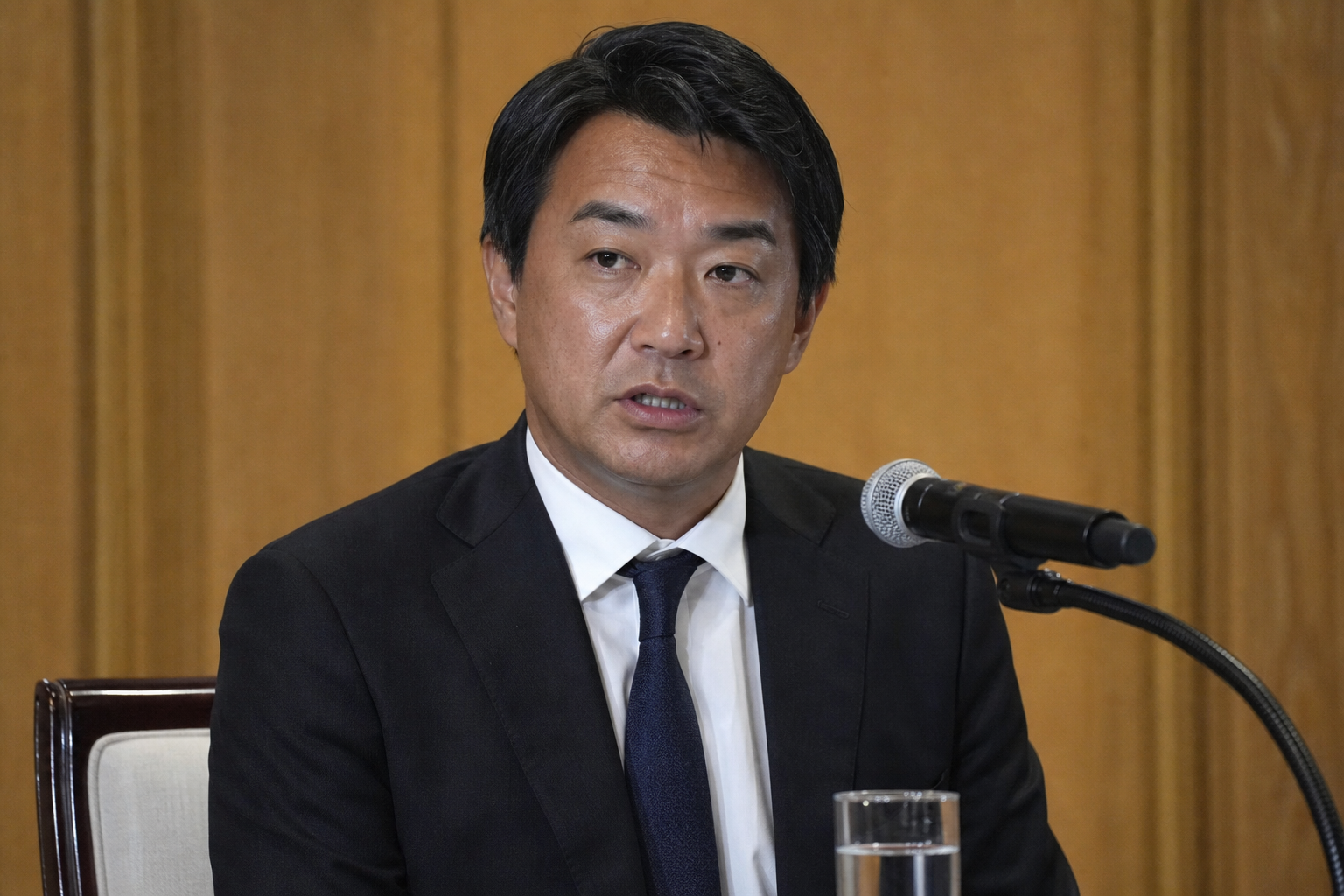
Cricket teams heading to Japan for the 2026 Asian Games will be allowed to make their own hotel arrangements, the Japan Cricket Association has confirmed, handing participating delegations greater control over budgets, location and travel logistics. The announcement was made by Naoki Alex Miyaji, chief executive of the association, in an interview with ESPN.
The move marks a departure from the centralized accommodation models often used at multi-sport events, where organisers typically assign official hotels and mandate stay packages. Instead, Miyaji indicated that national federations will have full flexibility to secure lodging of their choice, whether near the cricket venues or in other parts of the host region.
Why the lodging decision matters
For cricket boards – many of which operate on tighter budgets than their Olympic-level counterparts – the ability to negotiate their own rates can be a significant financial relief. It also allows teams to pick properties that suit their specific needs, such as proximity to practice facilities, dietary requirements, or room configurations for players and support staff.
“Teams can make their own hotel arrangements,” Miyaji told ESPN, without adding further restrictions. The Japan Cricket Association’s position suggests that this option extends to all accredited squad members, including coaches, physiotherapists and team officials, though neither the association nor the Olympic Council of Asia have released detailed accommodation guidelines yet.
Logistics experts say that self-arranged housing could also ease the strain on host-city infrastructure. With the Asian Games expected to draw thousands of athletes across dozens of sports, spreading cricket delegations across multiple hotels might reduce bottlenecks and simplify transportation planning.
Cricket’s Asian Games comeback
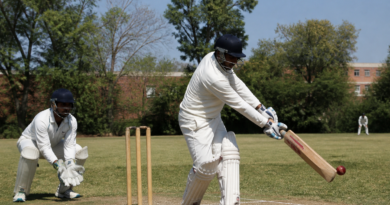
Cricket returns to the Asian Games programme for the third time after being contested in Incheon (2014) and Hangzhou (2022). In both editions the tournament used a T20 format, and the 2026 event in Aichi-Nagoya is expected to follow suit. Japan’s role as host nation places the Japan Cricket Association at the centre of operational decisions, from venue readiness to team services.
The Aichi-Nagoya Games, running from 19 September to 4 October 2026, will feature cricket at a yet-to-be-confirmed venue in the Chubu region. The Japan Cricket Association has been working closely with the Olympic Council of Asia and local organisers to finalise infrastructure plans, and the accommodation update is among the early practical details being communicated to participating nations.
What teams should consider
While the freedom to book independently is welcome, team managers will need to weigh several factors:
- Proximity to the match venue – reducing commute times in a busy Games schedule.
- Security and accreditation zones – ensuring properties meet Games-time safety standards.
- Medical and anti-doping facilities – staying within easy reach of designated polyclinics.
- Meal services – matching dietary needs and halal or vegetarian preferences of diverse squads.
So far, the Olympic Council of Asia has not issued a blanket accommodation directive for cricket, but a spokesperson for the Games organising committee indicated that sport-specific housing guidelines may be published later this year. In the meantime, the Japan Cricket Association’s early signal gives federations a head start in planning their stay.
For nations such as India, Pakistan, Sri Lanka, Bangladesh and Afghanistan – where cricket is a high-profile sport – the decision could influence how large their delegations are and how many days they arrive before the competition begins. Smaller emerging cricket nations may use the flexibility to stretch tight budgets further.
The Asian Games are one of only two multi-sport events where cricket is part of the official programme (the other being the Commonwealth Games), making any operational detail a talking point among cricket administrators. With the 2028 Los Angeles Olympics set to reintroduce cricket globally, the Asian Games experience is being watched as a barometer for how the sport copes with a multi-sport environment.