
BRICS Summit Declaration Calls for Middle East Restraint, Condemns Forced Palestinian Displacement
BRICS summit declaration calls for Middle East restraint, condemns forced Palestinian displacement
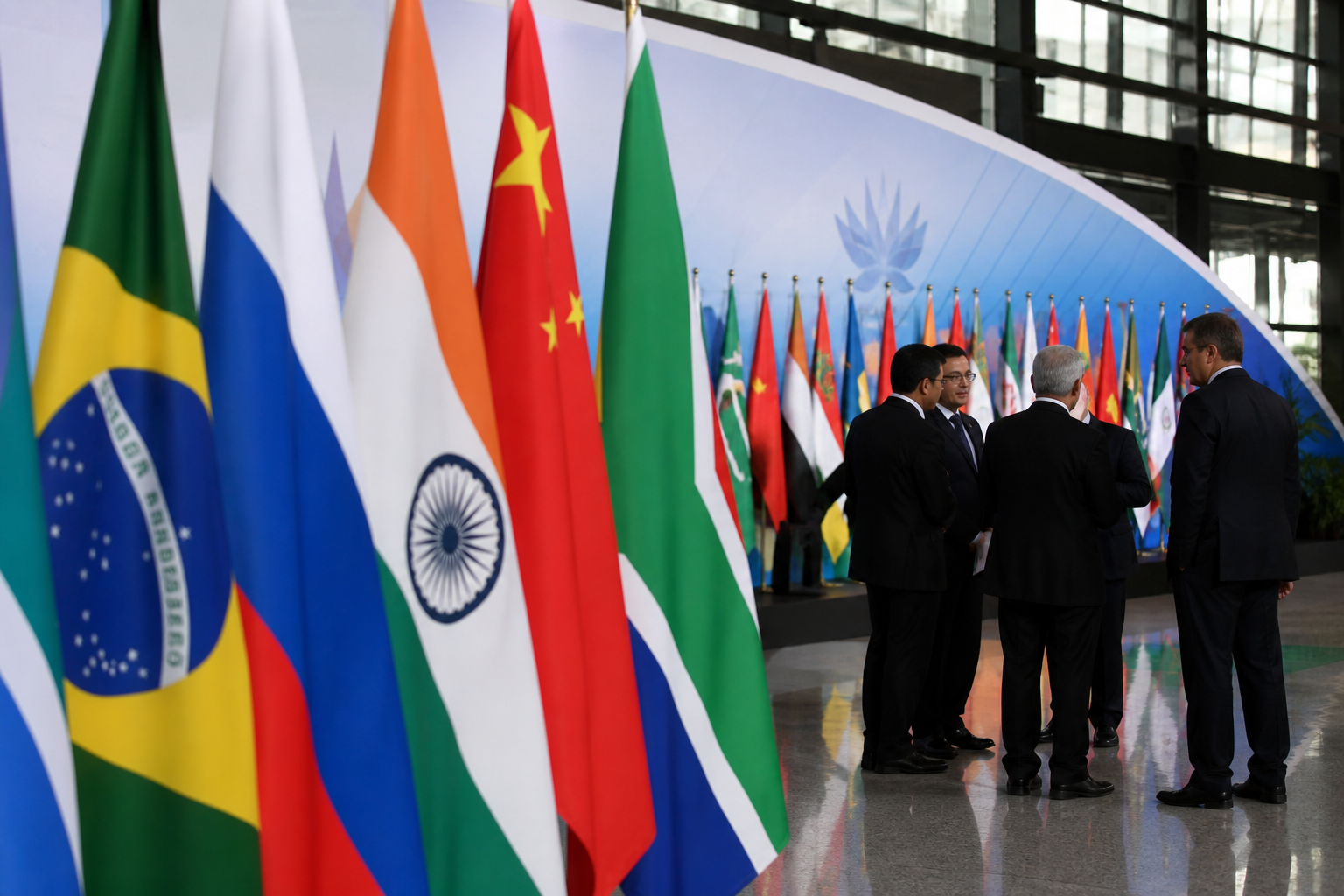
Leaders of the BRICS nations on Friday adopted a sweeping joint declaration that urged restraint across the Middle East, underscored the importance of keeping international trade lanes open, and voiced “firm opposition” to the forced displacement of Palestinians by Israel. The statement, unveiled at the close of the bloc’s annual summit in New Delhi, India, marked a deliberate effort by the expanded group to speak as a unified diplomatic force on one of the world’s most fraught conflicts.
The official summit communique reflected a balancing act: addressing the humanitarian and political crisis in Gaza and the occupied Palestinian territories while simultaneously warning that any further regional escalation could choke the supply chains on which emerging economies depend.
Restraint without widened blame
While the text singled out Israel’s treatment of Palestinians for direct criticism, it avoided explicitly naming other state or non-state actors contributing to instability elsewhere in the Middle East. Instead, the leaders opted for a blanket call on “all parties” to exercise maximum restraint, respect international law, and engage in dialogue.
The omission of other specific actors was viewed by analysts as a tactical choice aimed at preserving the consensus of a now-diverse membership that includes nations with diplomatic and economic ties to a range of Middle Eastern governments. The restraint language, despite its general formulation, still signalled growing unease inside BRICS about the spillover effects of protracted conflicts.
Trade arteries as a top-tier concern
A significant portion of the declaration was devoted to the resilience of global trade. The leaders stressed the “critical need” to keep maritime and overland trade routes free from disruption, noting that developing economies – including most BRICS members – are disproportionately vulnerable to freight rate spikes, insurance cost surges, and supply delays triggered by conflict.
The summit host, India, alongside China, Brazil, South Africa and newer entrants from the Middle East and Africa, have all experienced the economic ripple effects of insecurity in key waterways. While the communique stopped short of naming specific chokepoints, delegates confirmed that recent disruptions in key waterways – which have already raised insurance costs and forced rerouting – were central to the closed-door discussions on economic security.
“Firm opposition” to forced displacement
The declaration’s most concrete political stance was reserved for the Palestinian question.
The declaration expressed “firm opposition” to the forced displacement of Palestinians by Israel.
The phrasing went beyond previous BRICS statements, which typically endorsed a two-state solution without attributing responsibility. Legal scholars pointed out that “forced displacement” is a term embedded in the Geneva Conventions and the Rome Statute of the International Criminal Court, potentially lending the political statement a quasi-legal weight.
According to multiple summit participants, the final language was the outcome of intensive negotiations. Some member states argued for the inclusion of more severe legal classifications, while others – wary of antagonising key partners or deviating from a traditional focus on development – pushed for more subdued wording. The compromise, centring on the “firm opposition” formulation, was presented as a breakthrough that kept the expanded grouping united while still delivering a clear message.
A forum for the Global South
The New Delhi summit occurred against a backdrop of tariff disputes, sanctions regimes, and a growing sentiment among developing nations that Western-led institutions are insufficiently responsive to their concerns. By adopting a collective political declaration with a pronounced economic dimension, BRICS tested its ambition to function as a credible alternative diplomatic forum.
Indian Prime Minister Narendra Modi, whose government chaired the gathering, described the outcome as “responsible and balanced,” while other leaders hailed the text as proof that BRICS can tackle issues beyond its original remit of financial coordination. Yet, behind the scenes, some officials cautioned that the grouping should remain anchored in development and trade rather than venturing routinely into high-stakes geopolitics.
The declaration’s immediate impact remains uncertain. Previous BRICS summit documents have often been criticised as heavy on rhetoric but light on operational follow-through. However, the explicit link drawn between Middle East security and the smooth flow of global trade could give this communique a longer shelf life, especially as member governments face domestic pressures over rising import costs and energy volatility.
As the delegates departed New Delhi, the question was less about the words on paper than whether BRICS nations would now coordinate at the United Nations, in shipping insurance forums, or through bilateral channels to translate shared concern into diplomatic action that cools the region and keeps trade moving.


