Delaware Lawmakers Blast ‘Wildly Unprecedented’ $270K Surgeon General Hire for Governor’s Friend
Delaware Lawmakers Blast ‘Wildly Unprecedented’ $270K Surgeon General Hire for Governor’s Friend
Delaware lawmakers are raising sharp questions over what they call a “wildly unprecedented” maneuver by Governor Matt Meyer, who created a new state surgeon general position with a $270,000 salary and installed a longtime friend and advisor without any public application process. The controversy is quickly deepening into a test of executive authority, government transparency, and the boundaries of political appointments in the First State.
A Position Created and Filled Without Legislative Input
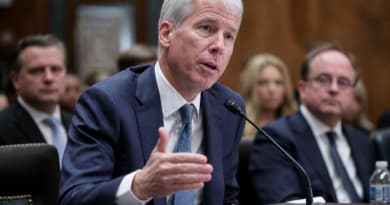
At the center of the dispute is Neil Hockstein, who has openly acknowledged that he was hired for the newly established role without having to apply. Hockstein, a physician known to be both a friend and advisor to the governor, stepped directly into a job that did not formally exist before the administration brought it to life. The salary, pegged at roughly $270,000, immediately drew scrutiny given the position’s fast-tracked origins and the absence of a competitive hiring process.
Lawmakers from both chambers of the Delaware General Assembly say they were blindsided. Several members have publicly questioned why the legislature, which holds the state’s purse strings and confirms high-level executive appointments, was given no role in either creating or staffing the post. The lack of a hearing, a vote, or even a formal notification has fueled allegations that the governor’s office sidestepped standard checks and balances.
“This isn’t just about one job—it’s about who gets to invent a cabinet-level or senior advisory position out of thin air and fill it with a personal associate,” one senior lawmaker told WHYY, describing the situation as “wildly unprecedented” in recent Delaware history.
Authority, Ethics, and the Separation of Powers
The controversy centers squarely on process. Key questions being asked in Legislative Hall include exactly what legal or budgetary authority the governor used to establish the surgeon general role, whether the position falls under a classified service exemption, and if the administration had the unilateral right to assign a six-figure salary without a specific appropriation. Delaware’s constitution and code generally require legislative approval for new major executive-branch positions, though governors do retain certain appointment powers for senior advisory roles.
The issue has also drawn the attention of ethics watchdogs. While no formal complaint has been publicly filed, the circumstances have been flagged as a potential test case for Delaware’s rules on nepotism, cronyism, and public accountability. The Delaware Ethics Commission sets guidelines for state officials and employees, and the situation is likely to be referenced in upcoming discussions about tightening appointment transparency.
Governor Meyer’s office has yet to release a detailed job description, the specific public-health mandate tied to the surgeon general role, or a full accounting of how the salary figure was determined. A spokesperson indicated that more information would be forthcoming, but the delay has only amplified legislative frustration. The absence of a clear chain of approval is making the appointment a flashpoint for broader debates about how Delaware’s executive branch exercises its power during the early months of a new administration.
Budget Implications and Legislative Fallout
Beyond the process, budget hawks in the General Assembly are asking what the long-term cost of the new position will be for taxpayers. A $270,000 base salary, when benefits, support staff, and operational expenses are factored in, could push the total annual commitment well above $350,000. In a state where every dollar is scrutinized during annual budget markups, the surprise creation of a high-dollar post has already been flagged as a line-item lawmakers intend to probe during upcoming appropriations hearings.
Some legislators are discussing whether to summon Hockstein and administration officials for public testimony before a joint committee. Others have floated the possibility of using the power of the purse to block future funding if the position was not properly authorized. While no formal subpoenas or budget amendments have been introduced, the chatter in Dover suggests the episode will not fade quietly.
What Comes Next
For now, the Delaware General Assembly appears to be in fact-finding mode, gathering documents related to the position’s creation, the hiring timeline, and any correspondence between the governor’s office and Hockstein prior to his appointment. The administration’s forthcoming explanation will likely determine whether the matter escalates into a formal investigation or is resolved through behind-the-scenes negotiations.
The episode is already being likened to other state-level clashes over executive overreach, and it comes at a moment when public trust in government process is under a microscope nationally. In Delaware, a state that prides itself on intimate, accessible governance, the question of how a $270,000 surgeon general slot materialized for the governor’s friend without public input is shaping up to be a defining early test of Matt Meyer’s administration.
Lawmakers say they want answers before the current legislative session moves much further. “If the rules don’t matter for this,” one representative warned, “then the precedent being set is that they don’t matter for anything.”