Second Explosion in Weeks Rocks Bulgarian Weapons Storage Site; Probe Focuses on Possible Sabotage
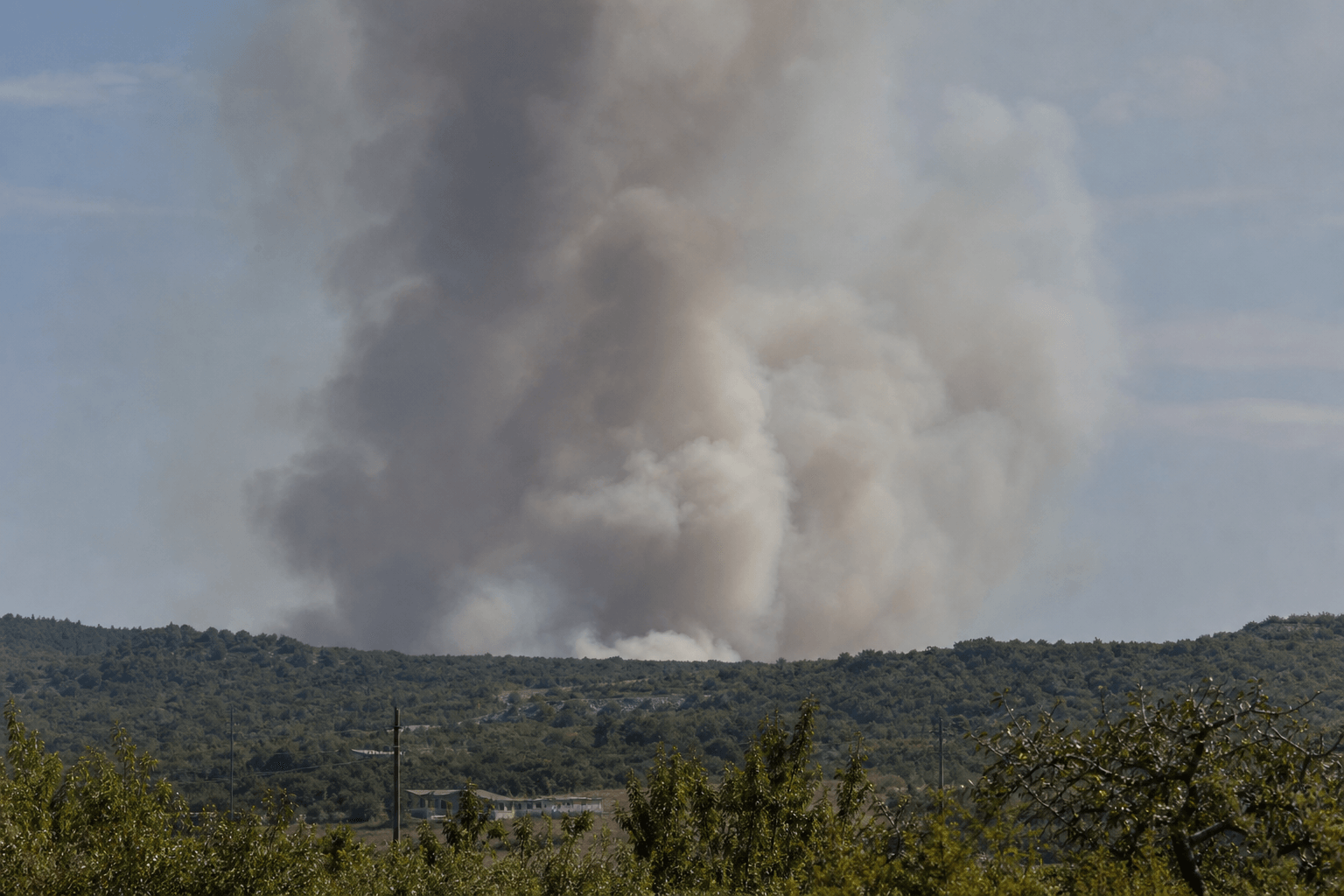
SOFIA – Bulgarian authorities have launched an urgent investigation after a powerful explosion tore through a weapons storage facility early Thursday, marking the second such incident at an ammunition site in the country within weeks and raising fears of a coordinated threat to national security.
The blast occurred at a depot used to store artillery shells, small-arms ammunition, and explosive components, according to two officials familiar with the site who spoke on condition of anonymity because they were not authorized to discuss the matter publicly. Emergency crews rushed to the scene, and a security perimeter was established as firefighters battled flames that continued to burn for hours after the initial detonation. There was no immediate word on casualties, though local media reported that workers had been evacuated from nearby buildings.
The explosion comes just over three weeks after another ammunition storage facility, located near the central Bulgarian town of Kazanlak, was rocked by a series of blasts that injured two people and forced the temporary closure of a major highway. In that case, investigators said preliminary evidence pointed to mishandling of obsolete munitions during a routine inventory check, but they have not yet ruled out deliberate interference.
A Pattern Under Scrutiny
Now, with a second major incident in September alone, Bulgarian officials are confronting the uncomfortable possibility that the two events may be connected. The interior ministry said in a brief statement that a special investigative task force, which includes bomb-disposal experts, intelligence officers, and forensic teams, had been deployed to both sites.
“Given the proximity in time and the nature of the facilities involved, we are examining every hypothesis—industrial accident, criminal negligence, or external interference,” a senior official from the prosecutor’s office told reporters at a press briefing, adding that investigators were treating the latest blast as “a potential act of sabotage” while keeping all options open. The defense ministry has dispatched its own specialized unit drawn from the military police and the explosives ordnance disposal service to assist with the probe.
Bulgaria’s Strategic Arms Industry
Bulgaria’s defense industry is a significant supplier of Soviet-caliber ammunition, grenades, and light weapons to markets in the Middle East, Africa, and Ukraine. Many storage depots, often privatized after the Cold War, hold substantial stockpiles of older, less stable materiel awaiting disposal or export. Western security services have long warned that such facilities could be targeted by hostile actors seeking to disrupt supply chains or create instability in NATO’s southeastern flank.
The site hit on Thursday is believed to be operated by a privately owned company with contracts linked to foreign military sales. While authorities did not name the operator, they confirmed that the facility fell under civilian oversight with periodic inspections by the state agency responsible for arms and explosives control. The earlier explosion in Kazanlak involved a depot used to dismantle and repackage aging munitions, a process that safety specialists say carries inherent risks if protocols are not strictly followed.
Safety Record and Lingering Questions
Bulgaria has experienced deadly ammunition accidents in the past. A 2012 explosion at a depot near the village of Chelopechene destroyed hundreds of tons of munitions and leveled surrounding buildings, an incident later attributed to unsafe storage practices. That disaster prompted a sweeping overhaul of storage regulations, but watchdog groups say enforcement remains uneven, particularly at smaller, privately managed sites that handle both civilian and defense-related explosives.
In the current investigation, the interior ministry’s website notes that a hotline has been set up for anyone with information that could help identify the cause. The ministry is working alongside the State Agency for National Security and the prosecutor’s office, with regular updates expected as forensic analysis of debris and residue proceeds. Teams are also sifting through security-camera footage and visitor logs to establish whether unauthorized individuals had access to the storage bunkers in the days before the blast.
Analysts note that Bulgaria’s strategic position—bordering the Black Sea and hosting rotating NATO battlegroups—makes the integrity of its arms depots a matter of alliance concern. While no group has claimed responsibility, and no public evidence of outside interference has been presented, the twin explosions are likely to intensify calls for a comprehensive review of both physical security and safety management across the country’s sprawling ammunition network.
The latest incident is expected to feature in parliamentary hearings next week, with opposition lawmakers already demanding a full disclosure of the findings and possible reforms to the licensing of privately held explosive storage sites.