UNESCO Condemns Renewed Russian Attack on Odesa World Heritage Site Amid Escalating War
UNESCO Condemns Renewed Russian Attack on Odesa World Heritage Site Amid Escalating War
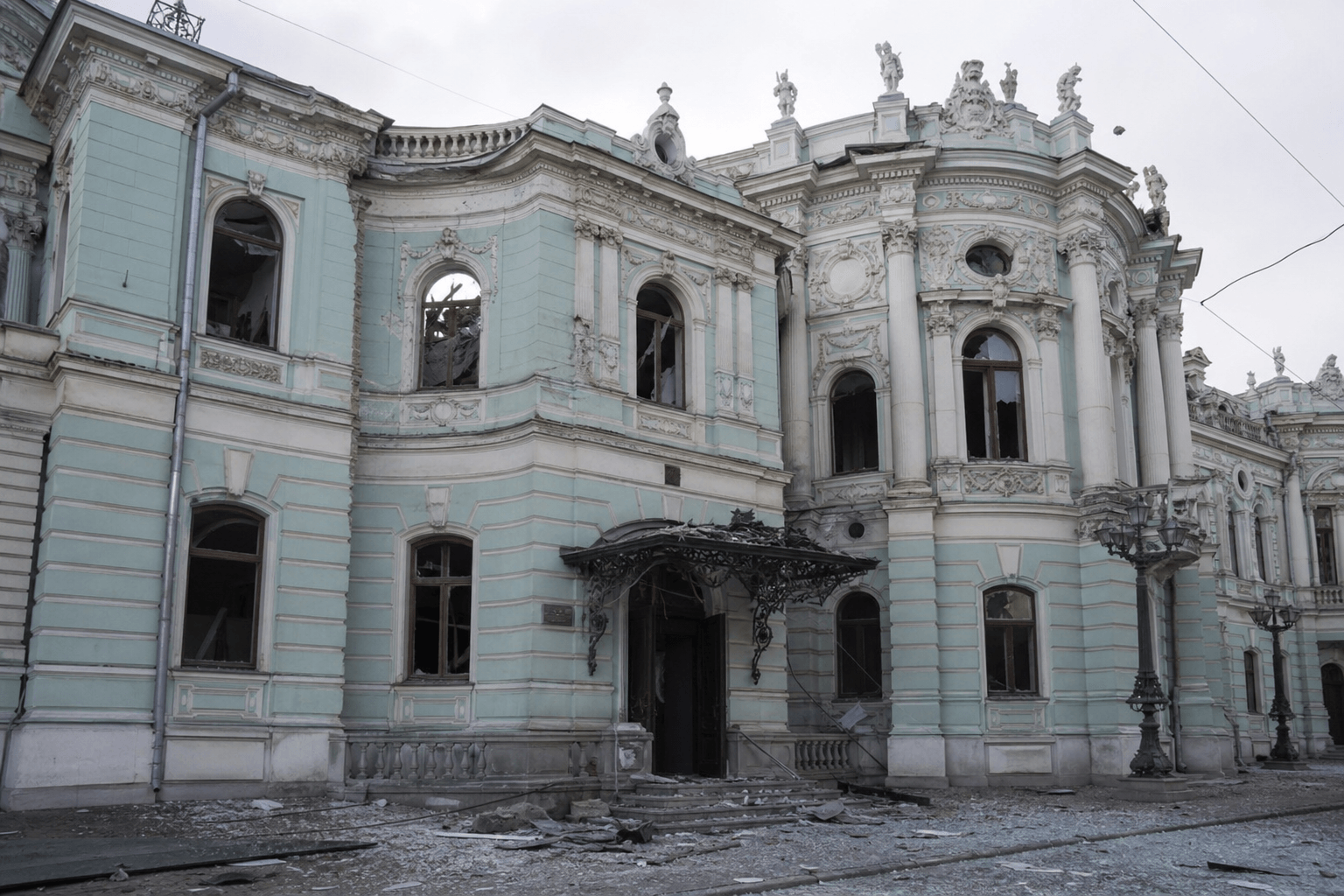
The United Nations’ cultural organization has issued a sharp condemnation of a reported Russian strike on the Ukrainian port city of Odesa, highlighting the escalating threat to protected cultural heritage since the full-scale invasion began. UNESCO’s statement underscored the symbolic and legal significance of the city’s historic center, which was inscribed on the World Heritage List under an emergency procedure.
The condemnation comes in direct response to a reported attack on April 9, which UNESCO described as part of the broader escalation of the war in Ukraine following the invasion by the Russian Federation. The organization expressed deep concern over the risks posed to the Odesa World Heritage property, a site that embodies centuries of multicultural history and architectural brilliance on the Black Sea coast.
A Pattern of Cultural Targeting
UNESCO’s reaction extends beyond a single incident, connecting the latest reported strike to a disturbing pattern of repeated damage to Ukrainian cultural assets. Since the beginning of the conflict, the organization has verified damage to hundreds of cultural sites across Ukraine, including religious buildings, museums, monuments, and libraries. The historic center of Odesa, often called the “Pearl of the Black Sea,” was fast-tracked onto the World Heritage List in January 2023 precisely because of the acute danger posed by the ongoing war.
The 1954 Hague Convention for the Protection of Cultural Property in the Event of Armed Conflict, to which both Ukraine and the Russian Federation are signatories, explicitly prohibits the targeting of cultural heritage. UNESCO’s condemnation serves as a formal reminder of these international legal obligations, framing any damage to the Odesa site as a serious violation.
The Symbolism of Odesa’s Heritage Status
Odesa’s World Heritage designation covers its iconic historic center, a grid of leafy streets, 19th-century palazzos, the famed Potemkin Stairs, and the Opera House. The inscription was not merely honorary; it placed the city under the enhanced protection of the international community and theoretically elevated the consequences of its destruction. UNESCO’s immediate public condemnation signals that the reported attack is being treated as a matter of global concern, not just a local military development.
Ukrainian authorities have consistently accused Russian forces of indiscriminate shelling of civilian infrastructure, a charge Moscow denies. Local Odesa officials often report on damage in the immediate aftermath of missile and drone attacks, though verifying the exact impact on specific heritage structures can take time amid active hostilities.
International Reaction and Next Steps
UNESCO has stated it remains in contact with Ukrainian authorities and cultural heritage monitors on the ground to assess the precise extent of the damage from the April 9 incident. The organization utilizes satellite imagery and on-site reports to document violations against cultural property, data that can later inform international accountability mechanisms.
“This renewal of attacks against a UNESCO World Heritage property is deeply shocking and constitutes a violation of international law,” the organization’s statement read, reiterating its call for an immediate cessation of hostilities near cultural sites.
The condemnation adds to mounting international pressure over the protection of cultural identity in conflict zones. For Odesa, a city whose identity is deeply intertwined with its cosmopolitan, literary, and architectural heritage, the threat is existential. Heritage experts warn that each attack, even on nearby infrastructure, sends shockwaves through the delicate urban fabric that earned the city its global recognition.
As the war grinds on, the fate of Ukraine’s cultural landmarks remains precarious. UNESCO’s latest intervention serves as both a diplomatic rebuke and a distress signal, reminding the world that the cost of conflict is measured not only in human lives but also in the erasure of irreplaceable history.