Ukraine’s Drone Blitz Forces Russia to Import Oil in Stunning Role Reversal
Ukraine’s Drone Blitz Forces Russia to Import Oil in Stunning Role Reversal
In an extraordinary twist for one of the world’s largest crude producers, Russia is scrambling to import fuel as Ukraine’s sustained drone campaign systematically dismantles its oil refining capabilities. The once unthinkable energy squeeze marks a significant strategic victory for Kyiv, turning Moscow’s vast oil infrastructure into a vulnerable liability far behind the front lines.
For decades, Russia has been a cornerstone of global energy supply, exporting millions of barrels of crude oil daily. Now, Ukrainian long-range drones are rewriting that narrative, targeting the nation’s ability to process its own raw resources. The attacks have been so effective that Russia, despite sitting on enormous crude reserves, is facing acute domestic fuel shortages and is being forced onto the international market as a buyer rather than a seller of refined products.
Refineries Become the Battlefield
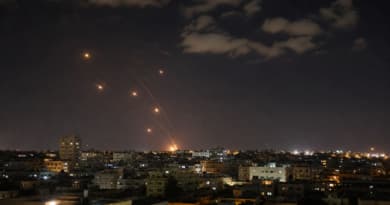
Kyiv has deliberately escalated strikes on oil processing plants deep inside Russian territory, transforming the industrial heartland into a high-stakes battlefield. The strategy targets a critical chokepoint: while crude oil is plentiful, the complex refining infrastructure needed to turn it into usable gasoline, diesel, and jet fuel is highly concentrated and exceptionally difficult to defend against waves of slow-moving, explosive-packed drones.
Intelligence assessments suggest that a significant percentage of Russia’s primary refining capacity has been either damaged or temporarily knocked offline by a flurry of well-coordinated strikes. The precise scale of the destruction remains militarily sensitive, but the downstream effects are becoming unmistakably visible in the Russian economy. These pinpoint raids are not just symbolic; they are calibrated to strain Moscow’s logistical supply lines for its military, while simultaneously stoking economic anxiety at home.
A Producer Turned Importer
The operational irony is sharp. Moscow, a petro-state whose federal budget is heavily reliant on energy revenues, is now urgently seeking oil and fuel imports to plug domestic gaps. The need to import stems from a simple imbalance: Russia can pump vast quantities of crude but lacks the intact domestic facilities to refine it at a rate that meets demand.
This dynamic has reportedly pushed the Russian government to accelerate negotiations with neighboring energy partners and to adjust export schedules, diverting fuel stocks that would normally be sold abroad back into the domestic market. The strain is raising significant questions about the long-term sustainability of Russia’s energy sector, which for years has suffered from underinvestment and a technological brain drain.
Domestic Ripples and Strategic Vulnerabilities
Beyond the macroeconomic headaches, the drone campaign is placing direct pressure on Russia’s consumers. Regional fuel prices have surged in several areas, according to local media monitoring. Farmers struggling with the spring planting season and logistics companies moving goods across the world’s largest country by landmass are feeling the pinch first.
The crisis vividly exposes the brittle nature of Russia’s energy infrastructure. The network of refineries and long-distance fuel transport systems, designed during the Soviet era, presents a rich target set for a Ukrainian military that has invested heavily in long-range strike capabilities. A single successful hit on a distillation column can idle a plant for months, creating cascading regional fuel deficits that are difficult to resolve quickly through rail or road tankers.
The Escalation Calculus
The campaign underscores a deliberate strategic evolution in Kyiv. Faced with a grinding artillery war on the ground, Ukraine has opened an aerial front in the energy war, using domestically produced drones to strike assets that directly power the Russian war machine and internal stability. The targeting of refineries is a classic economic warfare tactic, designed to degrade the enemy’s military fuel supply while imposing a political cost on the Kremlin.
Market analysts are closely tracking the adjustments Russia is forced to make. Traditionally, Russia has banned gasoline exports when internal supply dips, but a pivot to full-scale imports for a major producer is a seismic event, altering regional fuel flows and potentially creating pricing anomalies across Central Asia. The International Energy Agency has previously warned about the fragility of global refining capacity, noting that targeted disruptions to concentrated infrastructure can have outsized market consequences.
As the drone war intensifies, the Russian government faces a stark dilemma: how to protect thousands of miles of exposed industrial facilities against an inventive adversary that has mastered the art of scaled, low-cost aerial assault. The struggle to keep the fuel flowing is rapidly becoming Moscow’s most pressing domestic and logistical challenge.