Nepal Issues Fresh Flood Warning as Communities Reel from Devastation
Fresh Alert Issued Amid Ongoing Recovery
DHADING, Nepal (AP) — Nepalese authorities issued a fresh flood warning on Sunday, urging residents in already inundated districts to remain on high alert as the country braced for another potential deluge. The alert comes as communities in the Himalayan nation are still grappling with the aftermath of severe flooding that has displaced families, destroyed homes, and disrupted essential services.
The warning, prompted by rising water levels in key river basins and heavy monsoon forecasts, underscores the precarious situation facing thousands of people across central and western Nepal. Officials with the National Disaster Risk Reduction and Management Authority (NDRRMA) said emergency response teams were on standby and that residents should prepare to evacuate if instructed.
Districts on High Alert
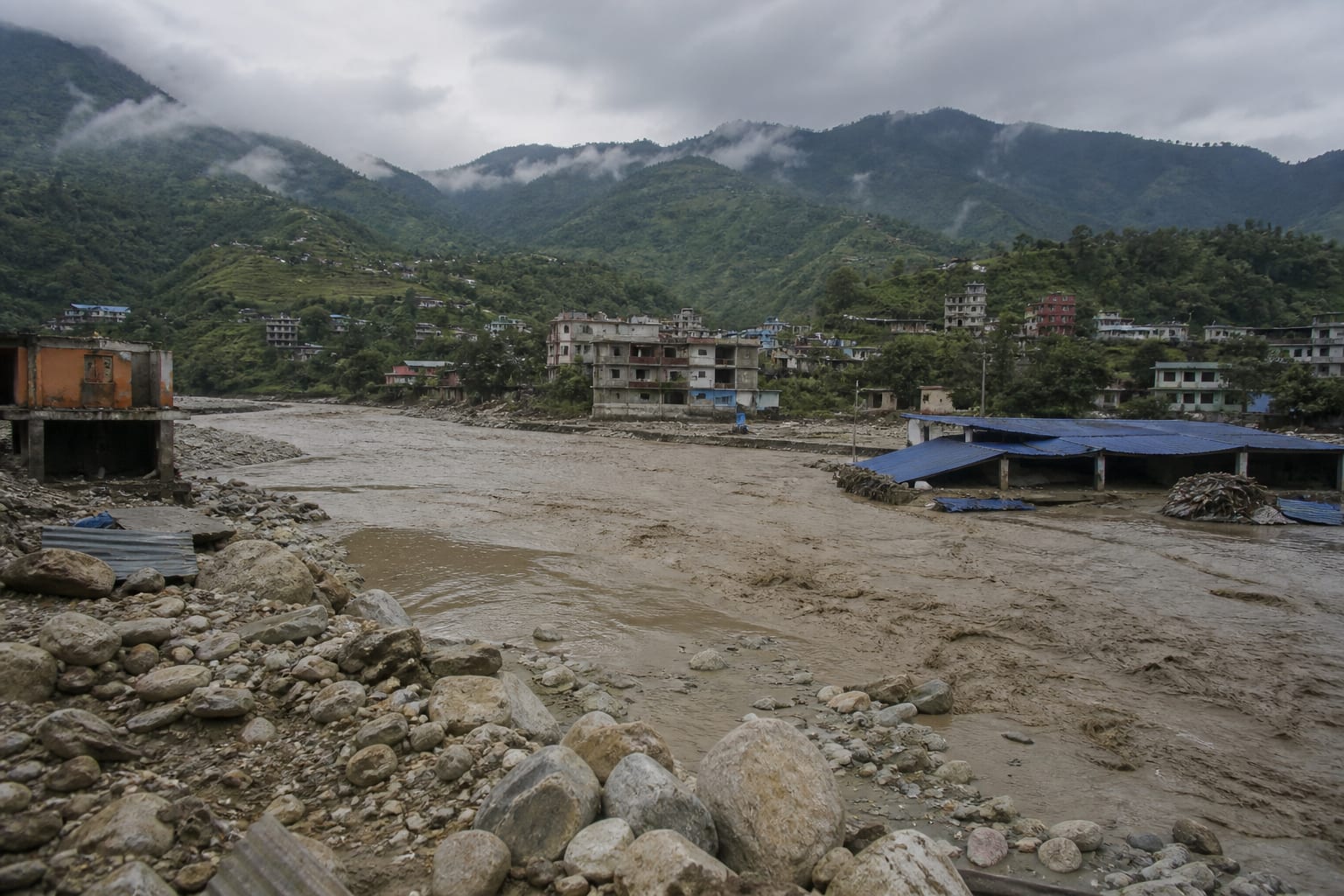
While authorities did not name all the districts under the latest warning, Dhading—where the warning was announced—has been among the hardest hit. Torrential rains in recent weeks triggered landslides and flash floods that washed away roads, severed communication lines, and cut off remote villages. The Nepal Department of Hydrology and Meteorology has been closely monitoring swelling rivers such as the Trishuli and Narayani, which could burst their banks with additional rainfall.
Residents in low-lying areas have been told to stay vigilant, avoid river crossings, and move livestock and valuables to higher ground. Schools in some affected zones have suspended classes, and local authorities have set up temporary shelters in community halls and schools to receive evacuees.
Devastation and Displacement
The ongoing flood crisis has already exacted a heavy human toll. Entire neighborhoods have been submerged, forcing families to camp out on rooftops or seek refuge with relatives. Access to clean water, food, and medical supplies remains a major challenge in cut-off areas. Humanitarian organizations are working alongside government agencies to deliver aid, but damaged roads and continuing rains are hampering relief efforts.
“Every time the rain starts again, our hearts sink. We already lost our home and belongings; we cannot take more,” said a woman in a Dhading relief camp, reflecting the anxiety gripping affected communities.
Her sentiment echoes across a region where the monsoon season typically lasts until September, raising fears that the worst may not be over. Agricultural lands have been inundated, threatening food security for farming families already pushed to the brink.
Response and Preparedness Measures
To mitigate the risk, Nepal’s disaster response teams are conducting evacuation drills and issuing real-time updates through radio and mobile alerts. The NDRRMA has positioned rescue boats and relief materials in strategic locations. The World Meteorological Organization has noted that climate change is intensifying monsoon rainfall in South Asia, making extreme flooding events more frequent and destructive.
International partners, including United Nations agencies, have offered technical and financial support, but the immediate priority is saving lives and preventing further displacement. Officials emphasized that early warning and community cooperation are the most effective tools as the nation confronts this unfolding crisis.
Monsoon’s Relentless Fury
Nepal’s topography makes it particularly vulnerable during the annual monsoon. Steep hillsides give way easily to landslides, and rivers quickly overflow their banks with sustained rainfall. This year’s monsoon has already claimed lives across multiple provinces and dealt a severe blow to infrastructure. Roads connecting district headquarters to the capital Kathmandu have been blocked, delaying both rescue operations and the delivery of essentials.
The fresh warning is set to remain in effect through early next week, with authorities reassessing based on weather conditions. The Nepal Army and police forces have been placed on high alert. For now, Nepal waits, scarred by what has already come and anxious about what the clouds may yet bring.