Death Toll Climbs as Rescuers in Nepal and China Scour Flood Zones for Hundreds Missing
Scale of the Disaster Emerges in Mountainous Border Region
Rescue teams across Nepal and China are racing against time and treacherous conditions after devastating flash floods tore through mountain communities, pushing the confirmed death toll higher and leaving hundreds of people unaccounted for. The unfolding humanitarian crisis has triggered a massive cross-border emergency response, with search operations concentrated in remote river valleys where landslides and surging waters have wiped out roads, bridges and entire hamlets.
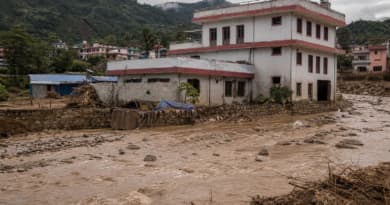
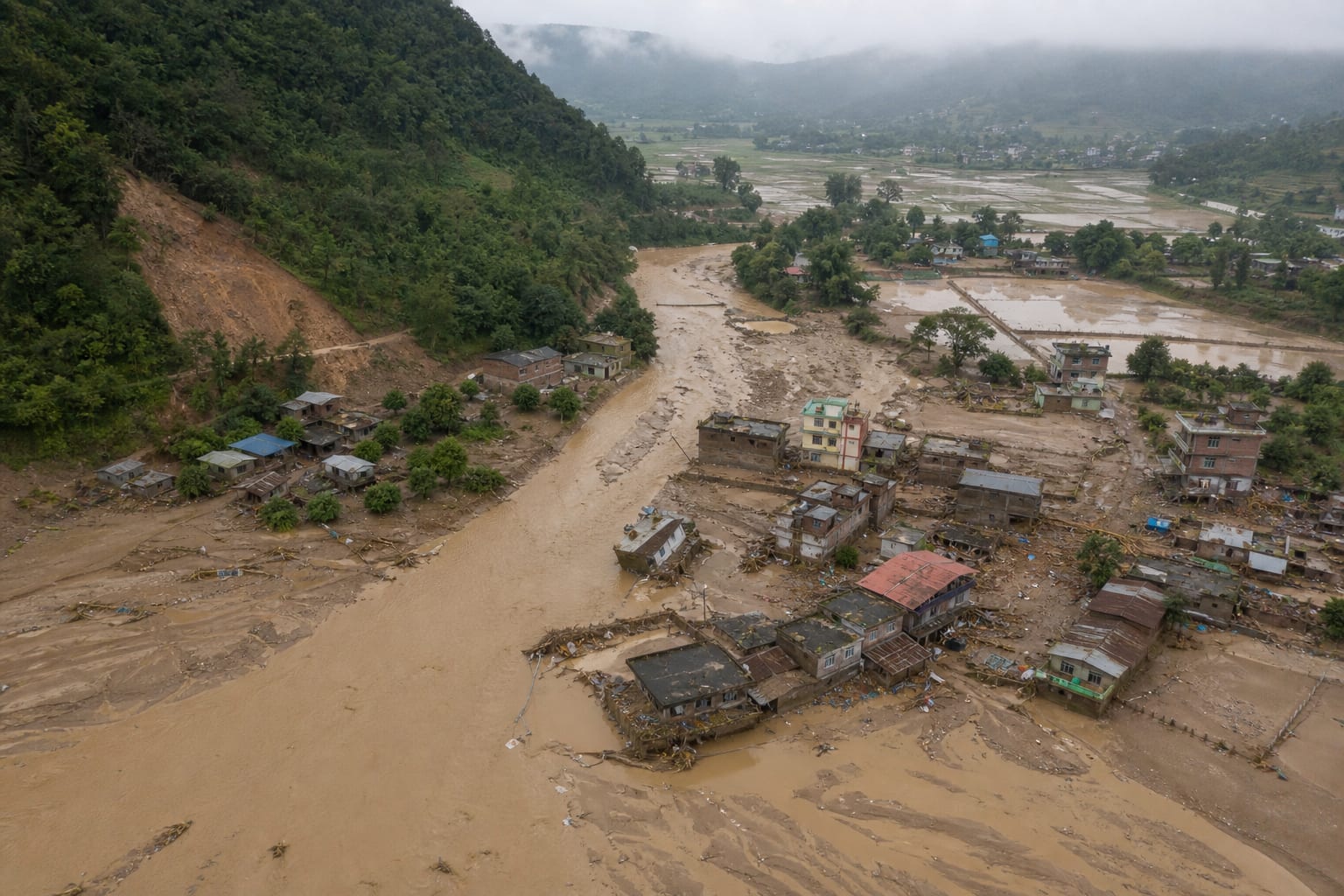
Authorities in both countries say the number of dead has risen steadily since the floods struck, while the tally of missing fluctuates as families report loved ones swept away or trapped. Nuwakot district, a rugged area northwest of Kathmandu, is among the hardest-hit locations in Nepal, with aerial footage showing vast swaths of farmland and settlements submerged under churning brown water.
Race Against the Elements
The disaster unfolded in some of the most inaccessible terrain on the subcontinent, complicating efforts to deliver aid, evacuate survivors and recover bodies. Steep gorges, washed-out tracks and the constant threat of further rain have forced rescuers to rely heavily on helicopters and local guides who know the terrain. “Every hour counts,” a senior disaster management official in Nepal said, speaking on condition of anonymity because they were not authorised to brief the media. “We are dealing with a landscape that is itself a barrier. Mud, rock and floodwater are cutting off entire communities.”
In China, emergency workers have been deployed to counties along the border region that share the same river systems swollen by unseasonal downpours. State media reports described teams using inflatable boats and drones to search for survivors amid the debris. The simultaneous response on both sides of the frontier underscores the scale of the weather event, which meteorologists link to a stalled monsoon front that dumped a month’s worth of rain in a matter of hours.
Hundreds Still Unaccounted For
Officials have released only provisional figures, but multiple local government sources confirmed that the number of missing people is in the hundreds. In Nepal’s Nuwakot alone, community leaders have compiled lists of residents whose whereabouts remain unknown. Many are feared buried under landslides or washed away by the river, which rose so quickly that families had no time to flee.
Visual evidence from state and wire services, including a drone photograph released by Xinhua News Agency on Thursday, shows the flood-hit landscape in Nuwakot reduced to a muddy lake, with only rooftops and treetops breaking the surface. The image, credited to photographer Sulav Shrestha, captures the sheer breadth of inundation that has displaced thousands. Schools, health posts and water supply systems have been damaged or destroyed, raising concerns about waterborne diseases in the aftermath.
Infrastructure Wiped Out, Aid Bottlenecked
With key highways and bridges severed, relief convoys are struggling to reach cut-off areas. In both Nepal and China, military and police units have been assigned to clear debris and open temporary access routes. Yet the work is slow, and officials acknowledge that some valleys may remain inaccessible for days. Telecommunication outages are adding to the chaos, preventing families from making contact with missing relatives and hampering coordination between agencies.
The economic toll is also mounting. Preliminary assessments point to severe damage to terraced farmland, hydropower plants and local markets. In Nepal, where a significant portion of the population depends on subsistence agriculture, lost crops and livestock will have long-term consequences. Chinese authorities have similarly flagged damage to transport links and agricultural output in the affected provinces.
A Parallel Search for Survivors
While grim recovery work continues, rescuers on both sides of the border are holding on to hope that more survivors will be found. In China, sniffer dogs and thermal-imaging equipment have been deployed in areas where people are believed to be trapped. In Nepal, teams of soldiers and volunteers are digging through mud and rubble by hand in places where heavy machinery cannot reach.
The joint nature of the disaster—with rivers crossing the international boundary—has prompted rare coordinated efforts. Humanitarian agencies have offered assistance to both governments, though operations remain largely state-led. As weather forecasts predict more rain in the coming days, the window for finding survivors is shrinking rapidly.
The floods are the latest in a series of extreme weather events to hit South and East Asia this season, reinforcing warnings from climate scientists that the region is becoming dangerously exposed to intensifying monsoon patterns. For now, however, the immediate focus is on the missing, and on families clinging to the possibility that their loved ones may yet be pulled alive from the wreckage.