Imran Khan’s Dizzying Fall: From World Stage to a 6ft-by-8ft Cell
A Prisoner in a Tiny Cell
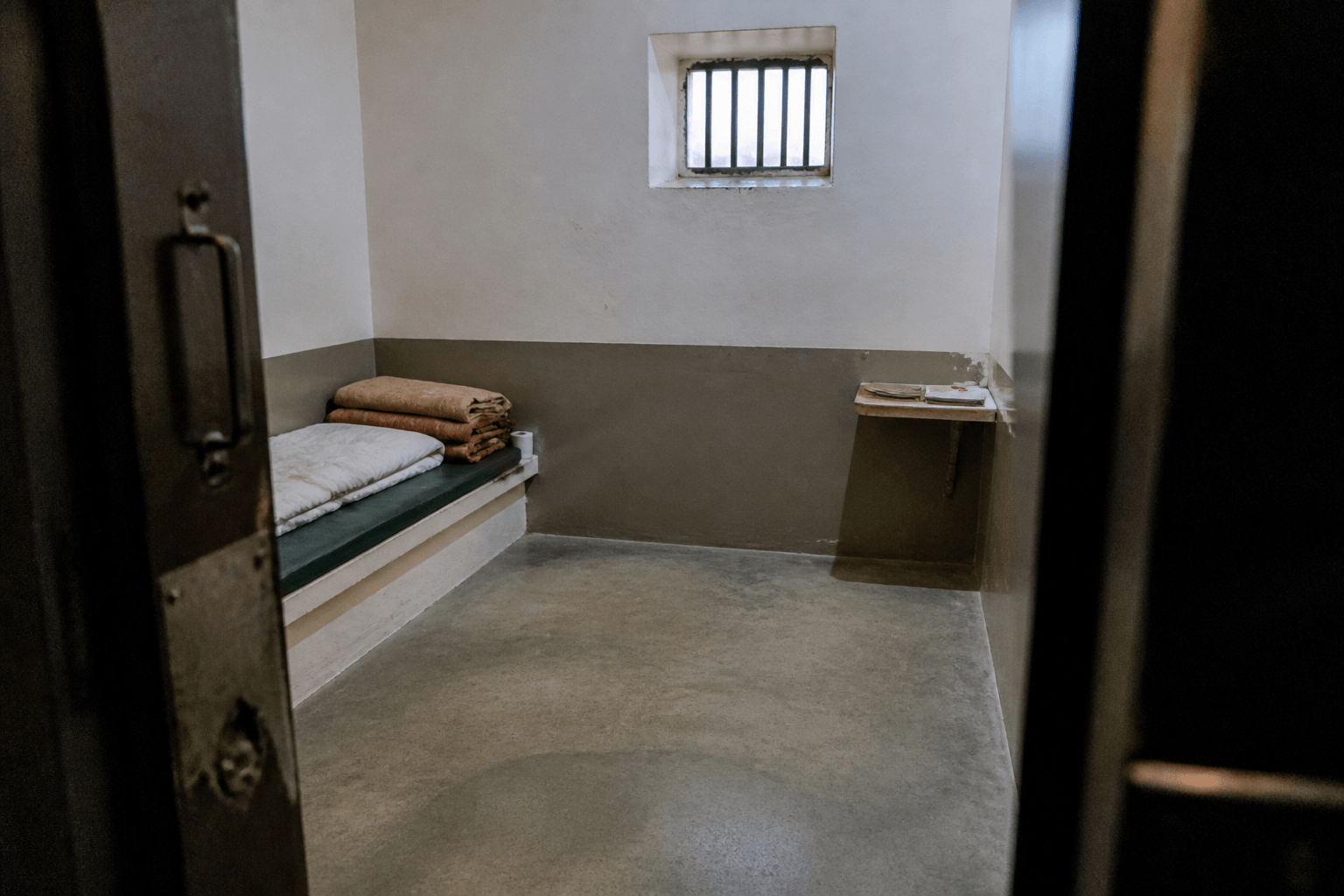
Once the charismatic face of Pakistani cricket and the man who promised a “new Pakistan,” Imran Khan now resides in a starkly reduced universe. The former prime minister is confined to a 6ft-by-8ft cell inside the high-security Adiala prison in Rawalpindi, a physical space that brutally mirrors the collapse of his political fortunes.
The cell, barely larger than a walk-in closet, contains little more than a bed, a fan, and a small shelf for books. It is a world away from the sprawling prime minister’s house in Islamabad, the packed stadiums of his cricketing youth, and the adoring crowds that once thronged his rallies. For a man who has always commanded attention, the silence and confinement represent the most dramatic chapter yet in a life defined by theatre and struggle.
The Political Arc That Crashed
Khan’s journey to the 6×8 cell began with his ouster as prime minister in a parliamentary no-confidence vote, a first in Pakistan’s history. Almost immediately, a cascade of legal cases—numbering more than 100 at one point—engulfed him. Convictions followed on charges ranging from corruption to revealing state secrets, accusations that Khan and his Pakistan Tehreek-e-Insaf (PTI) party have always dismissed as politically orchestrated to sideline the country’s most popular opposition leader.
While the court proceedings moved swiftly, the optics were jarring. The man who led Pakistan for over three years, who negotiated with world powers and commanded a devoted national following, found himself shuttled between courtrooms and jail cells, his legal battles playing out on split screens next to images of his former glory.
The Unbroken Political Force
Yet the paradox of Khan’s incarceration is that his political influence has not been extinguished. Even from Adiala, his messages—smuggled out via lawyers and social media—galvanise supporters. PTI candidates, running as independents after the party was stripped of its electoral symbol, secured a surprising number of seats in the most recent general election, defying a state crackdown and demonstrating the endurance of Khan’s personal brand.
He has become a political prisoner in the eyes of millions, his tiny cell a giant symbol of what his followers call a campaign to dismantle genuine opposition. Human rights organisations have expressed unease over the pace of convictions and the conditions under which he is held, while the government maintains that no one is above the law.
A Real-Life Fable
The Adiala cell does not merely house a man; it tells a story that resonates far beyond Pakistan. It is a story of dizzying ascent and precipitous fall, of sporting hero turned populist leader turned convict. International observers see in Khan’s trajectory a cautionary tale about the volatility of power in a deeply polarised nation, where yesterday’s icon can become today’s inmate with startling speed.
Whether Imran Khan will ever reclaim his freedom, let alone his political throne, is now bound up in opaque legal appeals and the shifting strategies of a powerful military establishment. For now, the man who once stood at the centre of a nation’s hopes occupies a rectangle of concrete and shadows, his world shrunk to the dimensions of a modest cupboard.