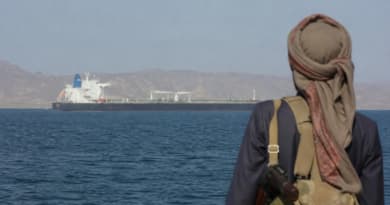
Gulf States Shelve Strait of Hormuz Talks with Iran as Yemen War Fuels Regional Fury
Fragile Diplomacy Stalls
Gulf Arab states have abruptly postponed scheduled security talks with Iran over the Strait of Hormuz, according to a report by The Guardian, marking a sharp diplomatic setback as the war in Yemen intensifies. The discussions, intended to ease tensions around the world’s most critical oil chokepoint, have been shelved indefinitely, reflecting a rapid deterioration in regional relations.
The impasse directly correlates with mounting Saudi anger over recent battlefield gains by the Houthi movement and a series of brazen attacks on Saudi infrastructure. The decision to delay the dialogue signals a profound diplomatic freeze between the Gulf monarchies and Tehran, shifting focus away from de-escalation and toward security postures.
A Strategic Chokepoint Under Threat
The Strait of Hormuz, a narrow waterway between the Persian Gulf and the Gulf of Oman, serves as the transit point for roughly one-fifth of the world’s oil supply. The now-postponed talks were intended to address long-standing maritime security concerns, including freedom of navigation and the threat of asymmetric warfare near shipping lanes. Without a diplomatic channel, the risk of miscalculation in these waters increases significantly amid overlapping military drills and hostile rhetoric.
Diplomats familiar with the initiative indicated that the meeting was seen as a tentative but crucial step toward reducing the proxy conflict temperature between Saudi Arabia and Iran. Its collapse leaves a dangerous vacuum.
Yemen’s Frontline Fuels the Freeze
Central to the breakdown is the accelerating conflict in Yemen, where the Iran-aligned Houthi movement has made significant advances against the Saudi-led coalition. Riyadh has long accused Tehran of providing ballistic missiles, drones, and tactical support to the Houthis, a charge Iran denies.
The Guardian report notes that rising Saudi frustration has reached a boiling point due to two recent high-profile strikes. The first targeted a critical Saudi airbase, demonstrating an expanding Houthi precision-strike capability. The second involved a major attack on a Saudi pipeline, disrupting infrastructure and rattling global energy markets. These strikes have hardened the kingdom’s diplomatic stance, effectively linking the Gulf maritime dialogue directly to the trajectory of the Yemen war.
Proxy War and Regional Escalation
The postponement highlights the inextricable link between the Yemen conflict and the broader Saudi-Iran rivalry. The Gulf states view the Strait of Hormuz security as a separate yet interdependent track from the war. However, Riyadh’s leadership now appears unwilling to engage in security guarantees with Tehran while Houthi forces—backed by what Saudi officials describe as Iranian technology—intensify attacks on the kingdom’s territory.
“Any dialogue on regional maritime security cannot be insulated from the reality of missiles striking airports and energy infrastructure. The trust required for such talks simply does not exist right now,” a Gulf security source told The Guardian.
The diplomatic breakdown risks a wider spillover. The Houthi offensive disrupts potential UN-led peace efforts, while the collapse of bilateral communication channels between Gulf Arab states and Iran increases the potential for direct incidents in the crowded waters of the Gulf.
Looking Forward
While the door to future negotiations has not been permanently sealed, the immediate outlook remains stark. Diplomatic sources suggest that any resumption of the Strait of Hormuz talks would require a significant de-escalation in Yemen—a prospect that appears distant as the Houthis press their advantage. For now, the Gulf states are prioritizing military deterrence and infrastructure defense over cautious diplomacy with Tehran, cementing a perilous status quo driven by the war next door.