From Trusted Tycoon to Prisoner: The Stunning Fall of Evergrande’s Hui Ka Yan
A Symbol of Boom and Bust
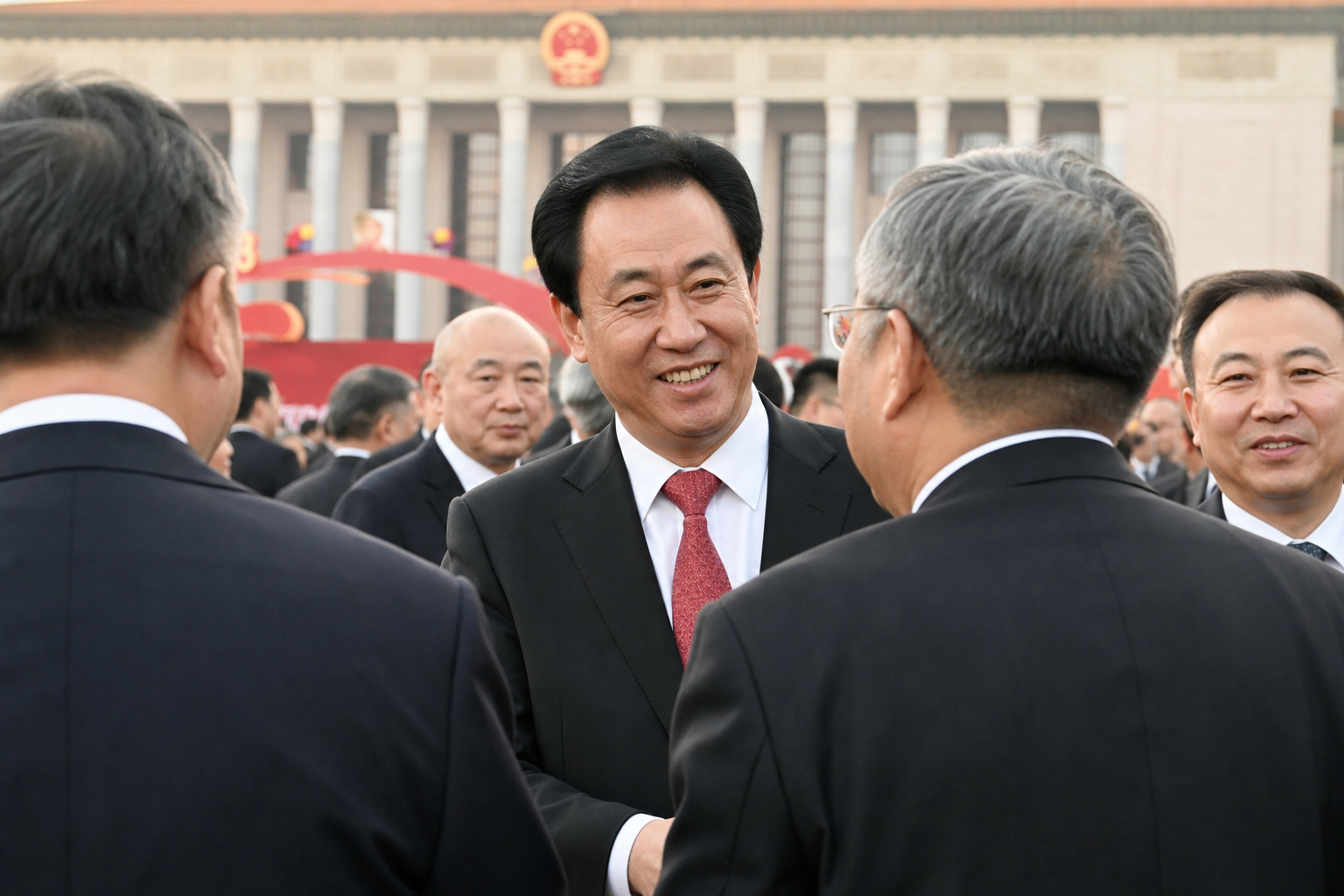
In July 2021, Hui Ka Yan stood among the elite at the Chinese Communist Party’s centenary celebrations in Beijing, a beaming figure whose presence signalled both personal success and political closeness. As founder and chairman of China Evergrande Group, he was the public face of a property boom that had transformed the nation’s skyline and created immense wealth. Less than four years later, that same man is behind bars, his imprisonment marking the spectacular end of an era for China’s once-untouchable property tycoons.
From Rags to Real Estate Riches
Hui’s rise mirrored China’s economic miracle. Starting from modest origins, he built Evergrande into one of the country’s largest developers, with a vast portfolio of residential projects, tourism ventures, and even an electric vehicle arm. By the late 2010s, he was regularly listed among China’s richest individuals, with a network that reached deep into political and financial circles. Evergrande’s aggressive expansion, fuelled by massive borrowing, made it a darling of investors and a symbol of the seemingly unstoppable property market.
The Cracks Emerge
Behind the glittering facade, a debt-fuelled time bomb was ticking. Evergrande had accumulated over $300 billion in liabilities, relying on a constant stream of pre-sales and new loans to service its obligations. In 2021, as Beijing began to tighten credit and curb speculation in the real estate sector, the cracks became impossible to hide. The company missed bond payments, construction sites stalled, and thousands of homebuyers were left in limbo. Evergrande became the most prominent example of a sector-wide debt crisis that threatened to destabilise the world’s second-largest economy.
Beijing’s Crackdown
The authorities’ response was swift and symbolic. Regulators launched investigations into Evergrande’s financial practices, and Hui Ka Yan was placed under residential surveillance. The man who had shaken hands with senior leaders just months earlier was now a target of the very system that had once elevated him. Beijing’s message was clear: no developer, no matter how wealthy or well-connected, was above the law. The crackdown extended to other heavily indebted firms, as the government sought to contain systemic risk and restore public confidence.
The Verdict and Imprisonment
Hui’s legal troubles culminated in charges of illegal fundraising and other financial crimes. In a closed-door trial, he was sentenced to life in prison, a dramatic fall from the heights of billionaire status. The verdict sent shockwaves through the business community, underscoring the personal consequences of the sector’s meltdown. For many, it was a cautionary tale of hubris and the peril of overreliance on political patronage in an era of tightening state control.
End of the ‘Biggest Borrowers’ Era
Hui’s imprisonment is more than a personal tragedy; it marks the definitive end of a decade-long binge that saw Chinese developers become the world’s biggest borrowers. The property bust has wiped out billions of dollars in shareholder value, triggered a wave of defaults, and forced a painful restructuring of the entire industry. While Beijing has stepped in with measures to stabilise the market, the days of easy credit and unchecked growth are over. The saga of Evergrande and its founder serves as a stark reminder of the risks that lie beneath China’s economic miracle—and the swiftness with which the mighty can fall.