Trump Lashes Out as US-Canada Trade Talks Collapse into Tariff War
U.S.-Canada trade talks have collapsed into an escalating tariff fight, with new U.S. duties taking effect on a broad range of Canadian exports — from hockey sticks to tongue depressors — and Prime Minister Mark Carney offering a blunt assessment of the rupture: “We got attacked.”
President Donald Trump has responded with a confrontational public posture, lashing out at Ottawa as the dispute shifts from negotiation to open trade conflict. The breakdown marks one of the sharpest deteriorations in the bilateral relationship in recent memory and has raised immediate questions about supply chains, consumer prices and cross-border manufacturing.
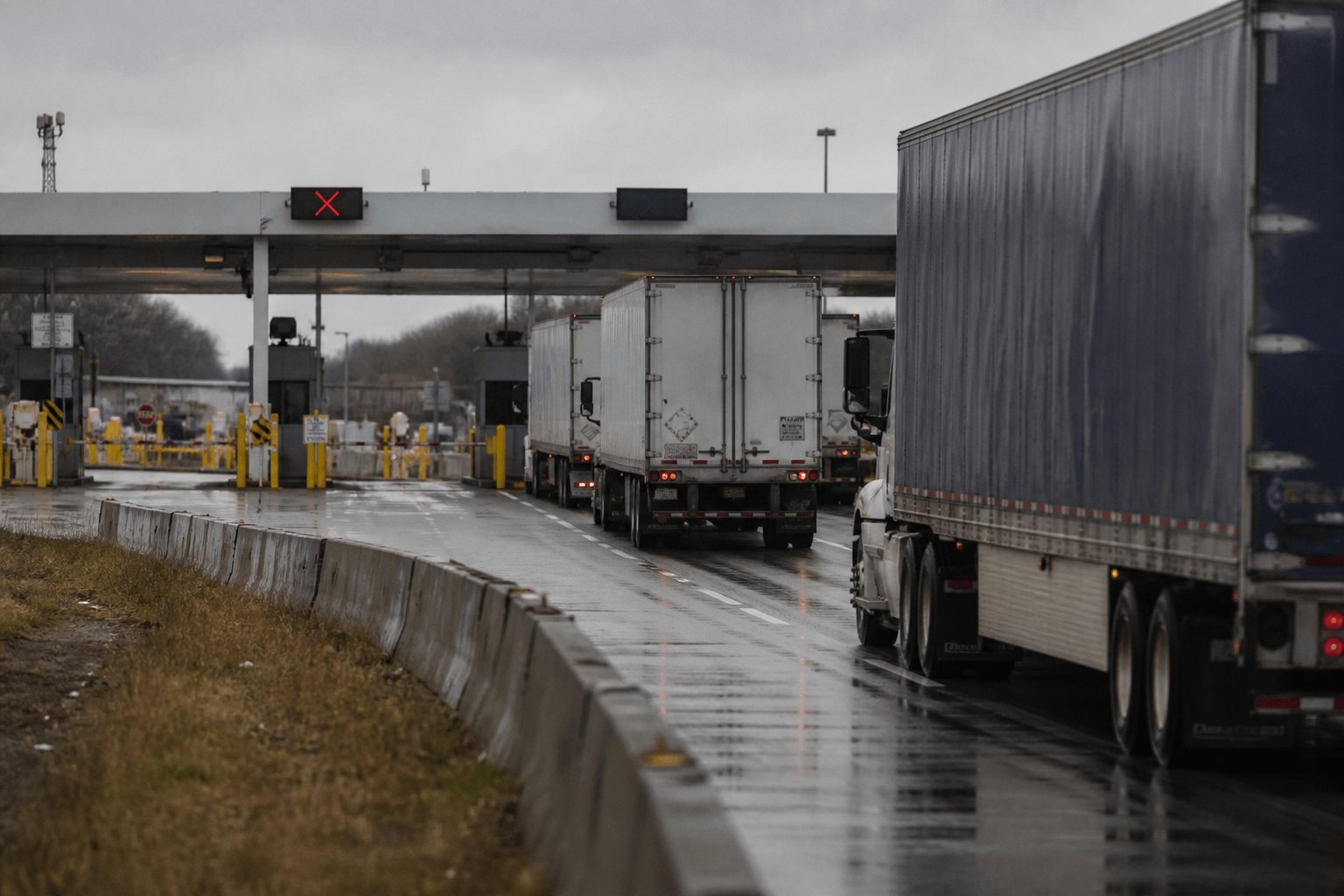
The rupture turns one of the world’s largest bilateral trading relationships into an arena of open economic conflict. Canada and the United States have long operated with deeply integrated supply chains, making even narrow tariff lines capable of producing outsized disruption for manufacturers, retailers and consumers.
Ottawa frames the tariffs as an attack
Carney’s language signals a harder public stance from Canada after the failure of talks. The framing positions Canada as the aggrieved party and sets the stage for Ottawa to pursue retaliatory measures or seek support through international trade bodies.
“We got attacked,” Carney said, as the tariffs came into force.
The affected goods reach deep into both economies, including everyday consumer products and niche manufactured items. Trade officials and industry groups are now assessing what the duties mean for cross-border supply chains that have long operated with minimal friction.
Broad sectoral fallout expected
The tariff list spans consumer goods and specialty products, with reported affected items including:
- Hockey sticks and recreational equipment
- Medical and healthcare supplies such as tongue depressors
- Other cross-border manufactured goods tied to integrated supply chains
Economists and trade analysts caution that such broad duties can ripple beyond the direct tariff lines, raising input costs for U.S. buyers, squeezing Canadian exporters, and disrupting just-in-time logistics in sectors where components move back and forth across the border.
For Canadian exporters, the immediate challenge is absorbing higher costs or losing market share in the United States. For U.S. importers and consumers, the duties risk raising prices on inputs and finished goods that have few short-term substitutes. The spread of affected products — from sporting goods to medical supplies — means the impact may become visible quickly on store shelves and in procurement budgets, rather than being confined to niche industrial goods.
Manufacturers that ship parts across the border before final assembly are especially exposed. Tariffs can accumulate at multiple stages, compounding costs and encouraging firms to reconfigure supply chains or delay investment decisions.
Political stakes in both capitals
Carney’s “we got attacked” framing is aimed at rallying domestic support and making clear that Ottawa sees the U.S. action as more than a routine trade dispute. It also signals that Canada is preparing for a sustained fight rather than a quick return to the negotiating table.
Trump, for his part, has kept up a combative posture, publicly criticizing Canada as the tariffs take hold. That approach is likely to deepen uncertainty for businesses that rely on predictable trade rules and could embolden hardliners on both sides of the border.
What comes next
No immediate timetable for revived negotiations was announced by either side. Official trade channels — including the U.S. Trade Representative and Global Affairs Canada — have not announced a public schedule for renewed talks.
If the dispute continues to broaden, it could move beyond bilateral discussions into formal trade dispute procedures, drawing additional scrutiny from the World Trade Organization.
For now, the tariff war has transformed a major trading relationship into an open economic confrontation, with both leaders hardening their language and little immediate sign of a diplomatic off-ramp.