Bolivia’s New President Fires Economy Minister in Bruising First Week
A Shaky Start for President Rodrigo Paz
Bolivian President Rodrigo Paz has been forced to fire his economy minister barely days into his young administration, capping what aides and analysts are calling a bruising week of scandal and political setbacks that has thrown the new government’s stability into doubt.
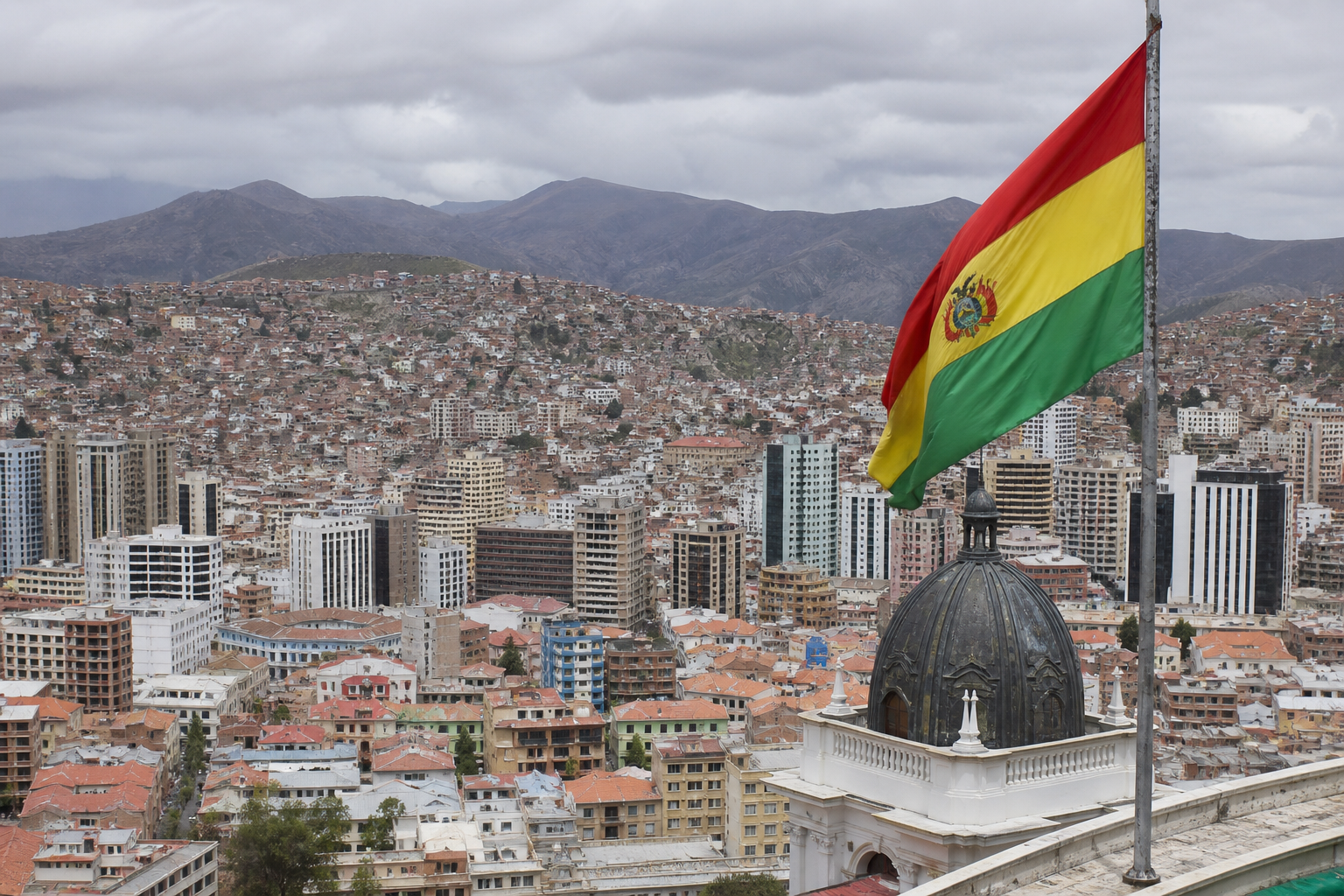
The dismissal, confirmed early this week from the government palace in La Paz, came as Paz — who took office riding a wave of populist promises — confronted immediate headwinds that have tested his coalition, rattled financial markets and raised pointed questions about his ability to steer South America’s often-volatile state through deepening economic uncertainty.
The Economy Minister’s Ouster
The economy ministry is the nerve center of investor confidence in Bolivia, overseeing fiscal policy, public spending and negotiations with international lenders. Removing its chief so abruptly signals either a serious breach of trust or a fundamental policy clash inside the cabinet. The president’s office has not yet named a replacement, and officials have declined to elaborate on the reasons behind the departure, deepening the sense of drift.
Local media, citing anonymous sources, reported tensions between Paz’s inner circle and the outgoing minister over how aggressively to pursue dollar-bond issuance and whether to phase out costly fuel subsidies. Whatever the trigger, the shake-up has already dented the mood among business leaders. The Bolivian Boliviano edged lower in thin trading, and the country’s sovereign bond spreads widened modestly.
A Wider Pattern of Troubles
The minister’s sacking did not occur in isolation. Administration insiders describe a series of unforced errors that have consumed Paz’s first full week: a clumsy legislative misstep that stalled a key infrastructure bill, the abrupt resignation of a senior presidential advisor amid allegations of misconduct, and noisy protests in El Alto over rising bread prices that briefly closed the highway to the capital.
Together, these events paint a picture of a presidency scrambling to find its footing. Opposition lawmakers have been quick to pounce. “What we are witnessing is a government already in paralysis — a president who cannot hold his team together for a single week,” said a leading figure from the conservative Civic Community alliance during a press conference on Thursday.
Can Paz Govern?
The immediate question for Bolivia is whether Paz retains the political capital to push forward his agenda. His Movimiento al Socialismo-rooted coalition controls only a narrow majority in the Legislative Assembly, and key centrist allies have issued quiet ultimatums demanding that the next economy minister command broad market credibility. Failure to satisfy those demands could endanger upcoming votes on the national budget and a planned lithium-export law crucial for attracting foreign investment.
Public confidence, too, hangs in the balance. In La Paz street markets and on social media, ordinary Bolivians express a mixture of fatigue and alarm. “We voted for change, but this feels like chaos,” said a vendor near the Murillo Plaza. The president has yet to address the nation directly about the turmoil, opting instead for a brief written statement promising “stability and responsible management.”
Paz remains personally popular, especially among the rural poor who recall his pledges to fight inequality. But that reservoir of goodwill could drain rapidly if the perception takes hold that his government is directionless. The next 72 hours — specifically his choice of a new economy minister — will likely signal whether he can steady the ship or whether the bruising opening week marks the beginning of a prolonged period of drift.
For now, Bolivia watches and waits, wondering if its newest president can transform a trial by fire into a lesson in resilience, or if the flames are only just catching light.