How an Iowa State Classroom Project Became a Public Guide to AI Tools
From Classroom Assignment to Community Resource
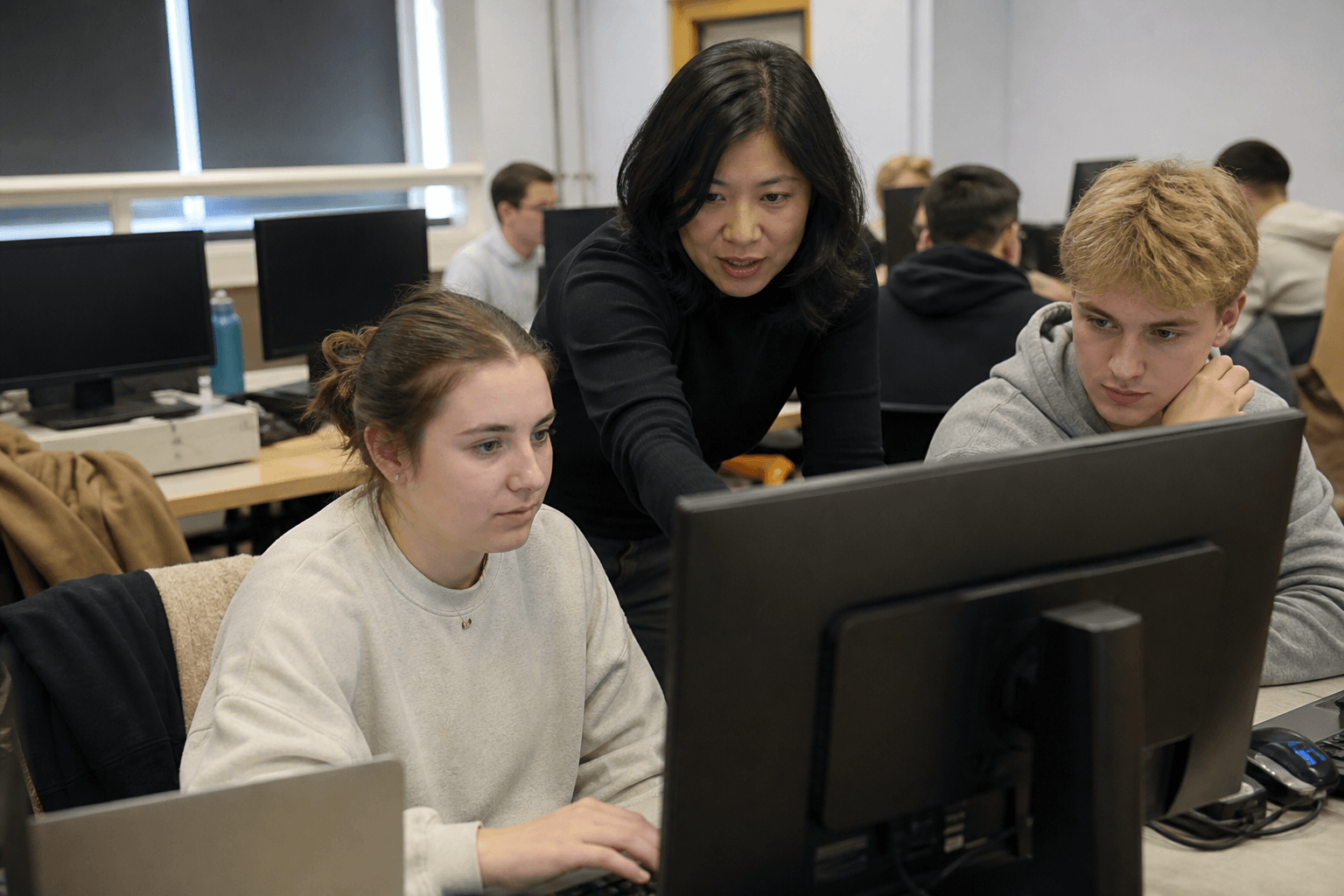
In the heart of Ames, Iowa, a computer science professor and her students are proving that some of the most impactful innovations begin with a simple assignment. What started as a classroom exercise at Iowa State University has evolved into a public website designed to help people navigate the bewildering landscape of artificial intelligence tools. The project, which blends academic rigor with real-world utility, reflects a growing need for accessible guidance as AI products and features debut and evolve at a dizzying rate.
Filling a Critical Information Gap
The rapid proliferation of AI tools—from large language models like ChatGPT to image generators, code assistants, and data analytics platforms—has left many users feeling overwhelmed. Students, educators, professionals, and casual users often struggle to compare features, understand capabilities, and determine which tool best suits their needs. The Iowa State website aims to bridge that gap by offering clear, non-technical explanations and side-by-side evaluations. It serves as a centralized hub where visitors can explore dozens of AI tools, read about their strengths and limitations, and make informed decisions without wading through marketing hype or arcane technical jargon.
Student-Powered Development
The project’s roots in the classroom are a testament to the power of experiential learning. Under the guidance of the computer science professor, students have taken ownership of the site’s design, content, and ongoing maintenance. This collaborative model not only gives students real-world experience in web development, user experience design, and AI literacy but also ensures the resource remains grounded in the practical concerns of everyday users. The student team meets regularly to review new submissions, update tool descriptions, and refine the user interface based on feedback from early adopters. Their work has turned an academic exercise into a living, breathing service that is now used by people far beyond the university campus.
Keeping Pace with the AI Revolution
One of the biggest challenges facing any AI resource is the sheer speed of change. OpenAI, Google, Meta, and countless startups release updates and new products almost weekly. The Iowa State team has embraced this challenge by implementing a system for regular updates and community contributions. While the core of the site is maintained by the university team, its open-access nature means that users can suggest new tools or flag outdated information, creating a dynamic resource that grows with the field. The group also monitors industry news and developer announcements to ensure that the site remains a timely reference. This agile approach is critical because a guide that is six months out of date can be more misleading than helpful in such a fast-moving domain.
A Resource for Everyone
The website is not just for computer science majors or tech enthusiasts. It is designed to be useful for a broad audience: high school teachers exploring AI for lesson plans, small business owners considering automation, journalists verifying facts, and researchers seeking efficient literature reviews. By demystifying AI tools, the project also contributes to digital literacy, helping to reduce the anxiety and confusion that often accompany technological change. The site includes tool categories such as writing assistants, image creation, coding helpers, and data analysis, making it easy for newcomers to find what they need. In an era where AI is becoming embedded in daily life, having a neutral, educational guide is more valuable than ever.
Overcoming the Maintenance Hurdle
Maintaining a public resource on AI tools is a continuous effort. The student team, with faculty oversight, has developed a sustainable workflow that includes rotating responsibilities, documentation standards, and a review cycle. This structure not only ensures the site remains accurate but also teaches students valuable project management and collaborative skills. The university has supported the initiative by providing server space and technical infrastructure, but the intellectual labor—the research, writing, and editing—is driven almost entirely by the students. This hands-on involvement is a key part of the educational mission, preparing graduates who are not only AI-literate but also experienced in creating tools that serve the public good.
Looking Ahead
As the project continues to gain traction, the Iowa State team is exploring ways to enhance the site with interactive elements, such as side-by-side comparisons and personalized recommendations based on user needs. The professor and students are also considering partnerships with other universities to expand the resource’s reach and keep it up to date with regional and global AI developments. For now, the site stands as a model of how academic projects can transcend the classroom and serve the public good—turning a simple assignment into a tool that empowers people to navigate the AI age with confidence. In a world where technology evolves faster than anyone can track, such grassroots efforts may be the most reliable compass we have.