Are We Thinking Correctly About AI Intelligence?
Are We Thinking Correctly About AI Intelligence?
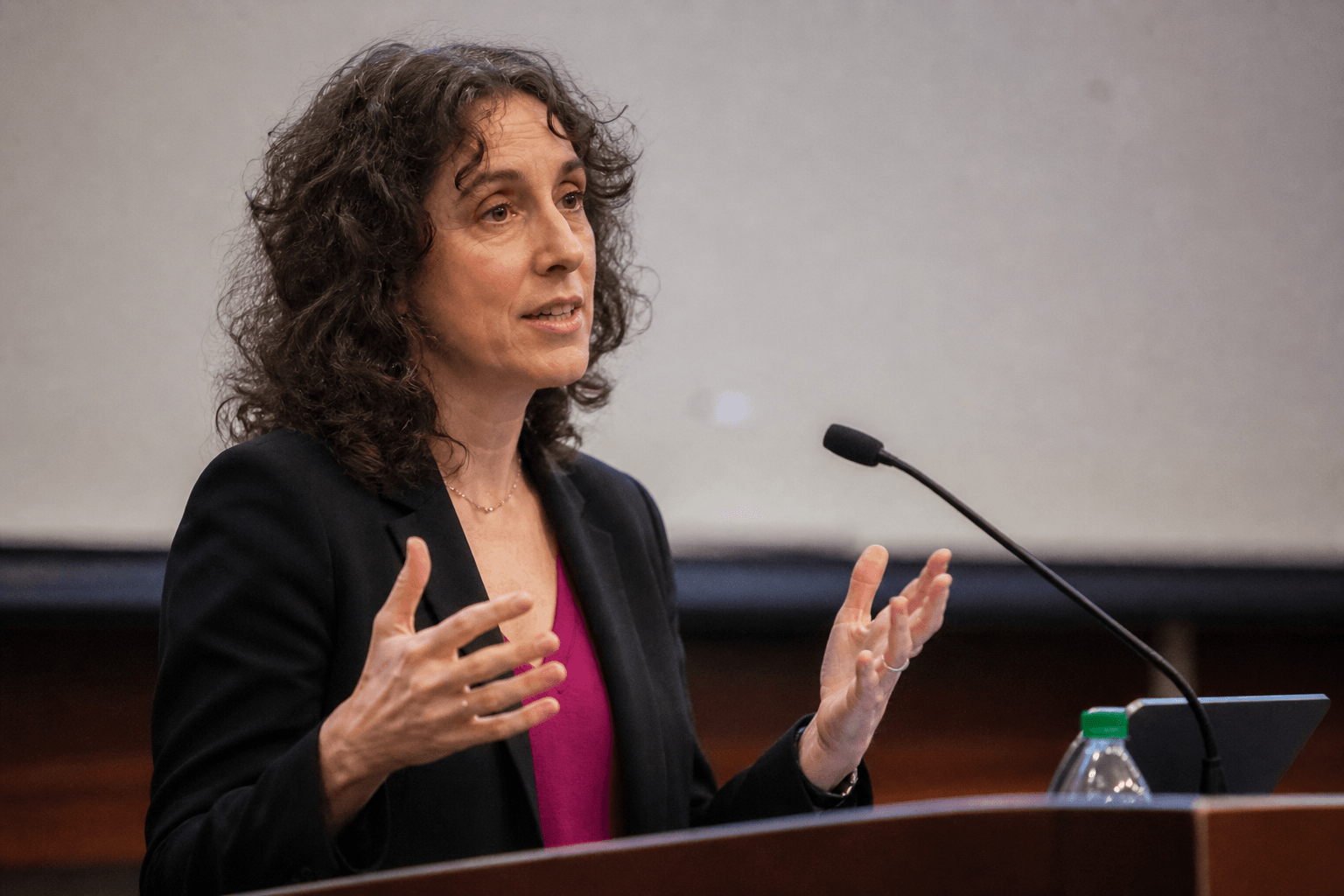
Artificial intelligence systems can now write essays, pass professional exams, generate code and hold strikingly fluent conversations. But computer scientist Melanie Mitchell is urging a more careful question: do these systems actually think, reason or understand in any human sense, or are those words misleading us?
Mitchell argues that today’s AI systems can be highly capable without necessarily using human-like thought, reasoning, or understanding. The distinction matters because the language used to describe AI shapes how researchers evaluate it, how companies deploy it, and how much trust the public places in it.
The gap between fluent output and genuine reasoning
At the center of the debate is a gap between impressive AI performance and the underlying mechanisms that produce those results. Large language models, for example, are trained to predict likely sequences of words from vast amounts of human-generated text. That process can generate answers that appear insightful, but it does not automatically mean the system has formed a mental model of the world, weighed evidence, or reasoned from principles.
Mitchell points out that terms such as “thinking,” “reasoning” and “understanding” can blur distinctions between related but different capabilities.
- Pattern recognition: detecting statistical regularities in data.
- Prediction: generating probable next words or outputs based on those patterns.
- Reasoning: drawing conclusions from principles, cause and effect, or explicit logical steps.
An AI system may sound confident while repeating a statistical pattern, but sounding confident is not the same as knowing why an answer is correct.
Why the words we use matter
This is not simply a philosophical dispute. If a system is described as “reasoning” when it is actually doing sophisticated pattern matching, researchers and the public may overestimate its reliability. Conversely, an overly narrow definition of intelligence could cause people to miss what current systems genuinely do well.
The debate sits within a broader scientific and public conversation about what “intelligence” means for machines versus humans. Human cognition includes abstraction, causal reasoning, learning from few examples, and the ability to reflect on one’s own thinking. Current AI systems demonstrate some of these traits in limited contexts but not necessarily in the same way or to the same degree.
Better benchmarks for real capability
A key problem is that existing benchmarks often reward fluency and surface-level correctness rather than testing what the system actually does. A model may pass an exam by recognizing familiar question structures, yet fail in a new setting that requires the same underlying knowledge applied differently.
Mitchell’s discussion points toward the need for better evaluation methods that measure robustness, generalization and comprehension, rather than only how polished or convincing an output appears. Researchers, she suggests, should design tests that expose whether a model can handle novel situations, explain its reasoning, or recognize when it does not know something.
Limits, safety and trust
Understanding the limits of current AI models matters for safety, reliability and trust. In high-stakes domains such as medicine, law, transportation and public information, a system that is highly capable in benchmarks but brittle in the real world can be dangerous if its outputs are treated as authoritative.
The goal is not to dismiss AI progress. Rather, it is to make claims about intelligence more precise. By separating what systems can do from how they do it, researchers can build more reliable tools and the public can form more realistic expectations.
Mitchell’s perspective adds a measured voice to a field often dominated by both hype and alarm. The path forward, she suggests, is not to ask whether machines are intelligent in a general sense, but to ask what specific capabilities they have, how those capabilities work, and how well they hold up beyond the tests they were trained to pass.