Damaging Winds Top 80 MPH as Wisconsin Leads Six-State Primary Day
Primary Elections Across Six States
Voters in six U.S. states headed to the polls on Tuesday for primary elections that will set the stage for the high-stakes 2026 midterm elections. The battleground state of Wisconsin was the marquee contest, with competitive races for governor, U.S. Senate, and several House seats generating national interest. The primary ballot included pivotal statewide and federal races that will decide the party nominees for governor, U.S. Senate, and the House of Representatives. The outcomes are expected to provide an early test of voter sentiment heading into a cycle where control of Congress and key state houses hangs in the balance.
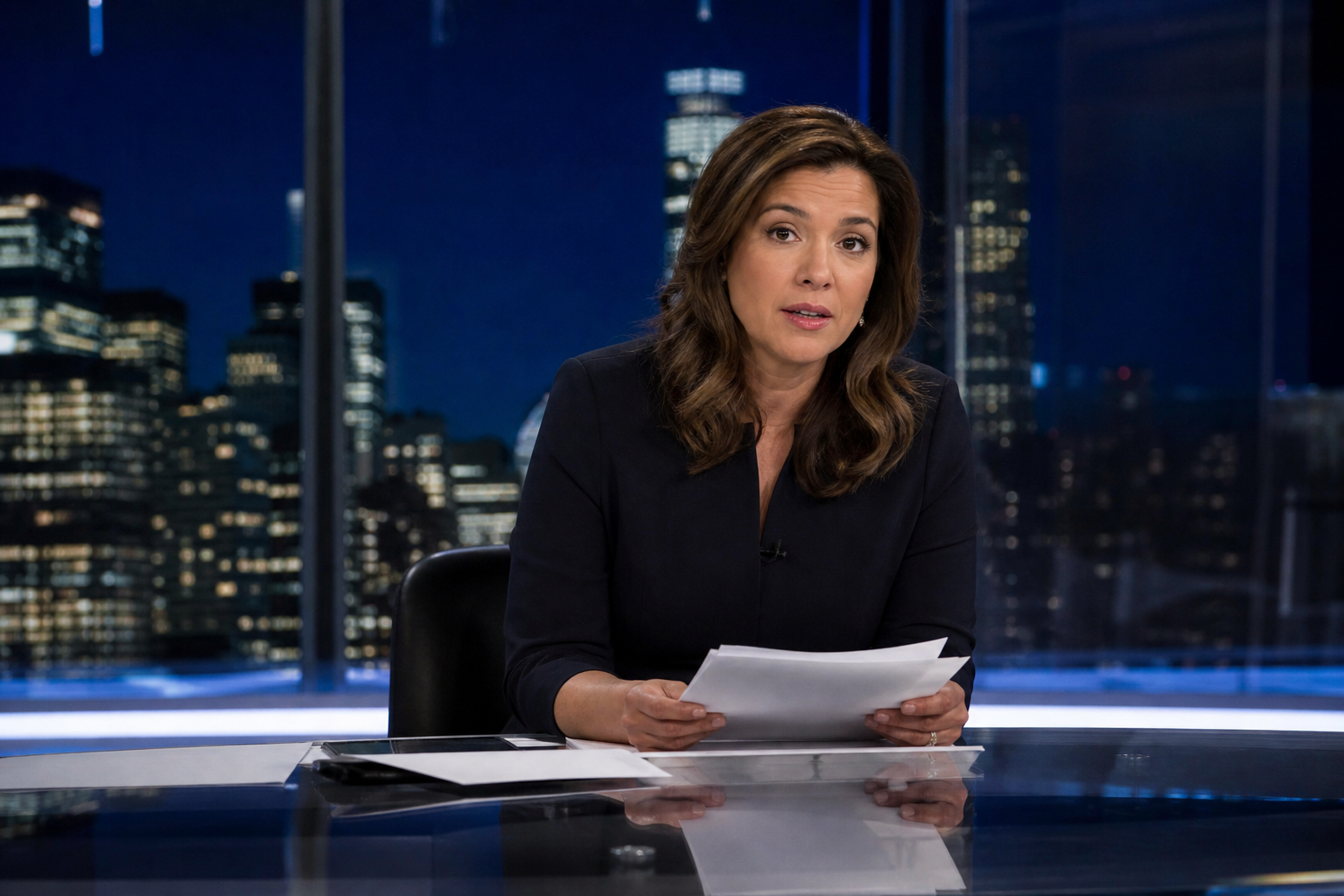
The Wisconsin Elections Commission reported that polls opened on schedule, though officials were monitoring potential disruptions from a massive storm system sweeping the region. Early voting data and absentee ballot returns were being tallied, but full turnout figures were not immediately available. In addition to Wisconsin, primaries were being held in several other states, with contests ranging from statewide executive offices to legislative and local races. While those states were not individually named in initial reports from ABC News Live Prime, they collectively represented a significant early chapter in the 2026 election season.
Political analysts are watching Wisconsin closely because of its history as a bellwether. The state has seen razor-thin margins in recent presidential and midterm cycles, and Tuesday’s primary will shape the general election matchups that could determine the balance of power in Madison and Washington. Candidates from both parties have spent the final days of the campaign rallying supporters, even as weather forecasts threatened to dampen in-person turnout.
Damaging Winds Batter the Midwest
A powerful weather system swept across the Midwest on Tuesday, bringing wind gusts that reportedly topped 80 mph in some locations. The National Weather Service issued high wind warnings and advisories for multiple states, warning of potential damage to trees, power lines, and temporary structures. The severe conditions raised concerns for travel safety and polling site accessibility, especially in rural areas where power outages could affect electronic voting equipment.
Emergency management officials in Wisconsin and neighboring states urged residents to exercise caution, with many counties opening warming centers and emergency shelters for those affected by the storm. Utility crews were pre-positioned to respond to outages, and some polling locations were equipped with backup generators. At least one county reported a brief delay in opening a polling place after a downed tree blocked access, but by mid-morning, all sites were operational.
The wind event was part of a broader weather pattern that also included thunderstorms and a risk of isolated tornadoes, though no touchdowns were immediately confirmed. Meteorologists noted that the system’s intensity was fueled by a sharp temperature gradient, with summer heat colliding with an unseasonably strong cold front. With multiple states in the grip of the weather system, the Federal Emergency Management Agency (FEMA) was monitoring conditions but had not received any requests for federal assistance as of Tuesday afternoon. Local emergency operations centers were activated, and the American Red Cross opened shelters in several counties where the most severe damage was reported. Transportation officials temporarily closed some highways due to high-profile vehicle restrictions, disrupting the movement of voters and election workers alike.
Voting Access and Turnout in Focus
Against the dramatic weather backdrop, election observers emphasized that the integrity of the voting process remained paramount. Voter advocacy groups had expressed concern that the storms could disproportionately affect turnout in some communities, particularly those reliant on public transportation or in areas with a high number of outdoor polling signage that might be damaged. Wisconsin election officials encouraged voters to check their polling locations before heading out, and to consider the availability of early voting options where applicable.
No major voting-access issues were reported by midday beyond the sporadic weather-related disruptions. However, both parties are likely to scrutinize the numbers as they roll in, looking for clues about enthusiasm and demographic shifts that could define the general election campaign. The 2026 midterms are viewed as a referendum on the current administration, and early primary results will be parsed for signs of anti-incumbency sentiment or party realignment.
Back in the political arena, the Wisconsin primary was also a test for new voting laws enacted since the last midterm cycle. Those changes, which included stricter ID requirements in some jurisdictions, had been the subject of legal challenges earlier in the year. The Wisconsin Elections Commission deployed additional poll workers and offered a helpline for voters experiencing difficulties, with no significant legal complaints surfacing by press time.
Political Reactions and Looking Ahead
Candidates and party officials reacted cautiously as the twin narratives of election and extreme weather unfolded. Republican and Democratic campaign aides in Wisconsin noted that their field operations had adjusted to the storm, shifting resources to digital outreach and ride-sharing coordination to ensure supporters could cast ballots. The weather-related drama also added an unpredictable element to what had already been a closely fought primary season.
As vote counting got underway Tuesday evening, the full picture of the primary outcomes and the storm’s toll remained unclear. Power restoration efforts continued across the Midwest, and meteorologists warned that residual strong winds could persist into the night. The dual storylines made for a memorable August primary day — one that underscored the intersection of natural events and democratic processes in an election cycle already brimming with consequence.