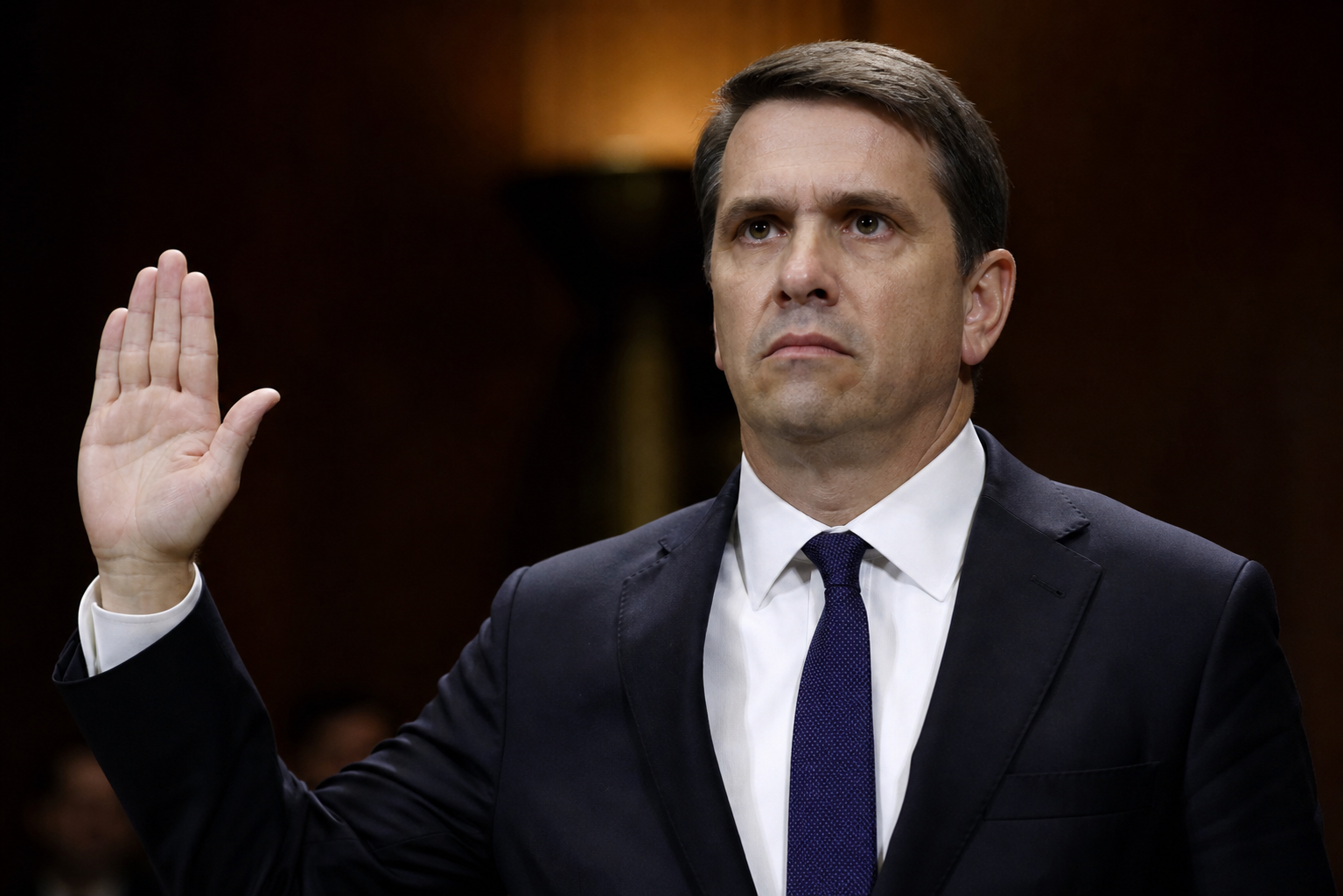
Senate Confirms Trump Defense Lawyer Todd Blanche as Attorney General in Early-Morning Vote
Senate Confirms Trump Defense Lawyer Todd Blanche as Attorney General in Early-Morning Vote
The U.S. Senate voted early Saturday to confirm Todd Blanche, President Donald Trump’s former personal defense attorney, as the next attorney general of the United States. The confirmation, which capped a contentious and closely watched nomination process, places a deeply personal Trump ally at the helm of the Department of Justice.
A Tumultuous Path to Confirmation
Blanche’s ascent to the nation’s top law-enforcement post was far from smooth. His nomination faced intense scrutiny from Democratic senators and legal watchdog groups, who raised sharp questions about the independence of the Justice Department under a leader who previously defended Trump in multiple criminal cases. The early-morning vote brought to a close weeks of political maneuvering and heated debate on the Senate floor, reflecting the deep partisan divide over placing a presidential confidant in a role traditionally insulated from direct White House influence.
Political Significance of the Appointment
Blanche is best known for representing Trump in his recent legal battles, including the hush-money trial in New York and the federal classified documents case in Florida. His move from defense counsel to the chief law-enforcement officer of the federal government is an extraordinary personnel shift, signaling the president’s determination to install unwavering loyalists in key positions. The attorney general oversees all federal prosecutions, the FBI, and critical policy decisions on civil rights, antitrust enforcement, and national security.
Supporters of the nomination argue that Blanche’s extensive courtroom experience and deep understanding of the criminal-justice system make him highly qualified. Critics, however, have repeatedly warned that his past representation of Trump creates inherent conflicts of interest and raises fundamental concerns about the DOJ’s ability to operate free from political interference.
The Independence Question
Legal ethics experts and former DOJ officials voiced alarm throughout the confirmation process about the potential erosion of post-Watergate norms designed to protect the department from becoming a political weapon. The central question weighing on the debate was whether Blanche could credibly oversee investigations that might touch the president, his associates, or his political adversaries. At his confirmation hearing, Blanche pledged to uphold the rule of law and to recuse himself when required, but many Democrats remained unconvinced.
“Installing the president’s personal lawyer as attorney general blurs the line between defending one man and defending the Constitution,” one prominent legal watchdog statement read, according to reporting from Reuters. Similar concerns were echoed by former federal prosecutors who warned that the public’s trust in impartial justice is at stake.
Reactions and Next Steps
Immediately following the vote, the White House issued a statement praising Blanche as a “brilliant legal mind” who will restore integrity and fairness to the Justice Department. Senate Republican leadership celebrated the win as a victory for law-and-order governance, while senior Democrats condemned the outcome, calling it a dangerous step toward politicizing federal law enforcement.
Blanche is expected to be sworn in within days and will face an immediate cascade of pressing decisions. The department’s priorities under his leadership are now the subject of intense speculation. Observers anticipate potential shifts in the handling of ongoing federal probes, changes to civil-rights enforcement postures, and a restructuring of senior DOJ personnel. Career officials inside the department are reportedly bracing for a wave of policy memos that could significantly alter the direction of the agency.
What Comes Next
With Blanche confirmed, attention now turns to how he will staff the department’s key divisions—including the Office of Legal Counsel, the Criminal Division, and the Civil Rights Division—and whether he will preserve the traditional firewalls between the White House and prosecutorial decisions. The confirmation, recorded in the official U.S. Senate roll call, marks a historic moment: a president’s own defense lawyer now leads the very institution that once investigated the president. The coming months will test whether Blanche can navigate the competing demands of loyalty and legal impartiality that define the attorney general’s oath.