
Singapore Airlines Takes S$1bn Hit on Air India Stake, Analysts Warn of More Pain
SIA’s Air India bet turns sour
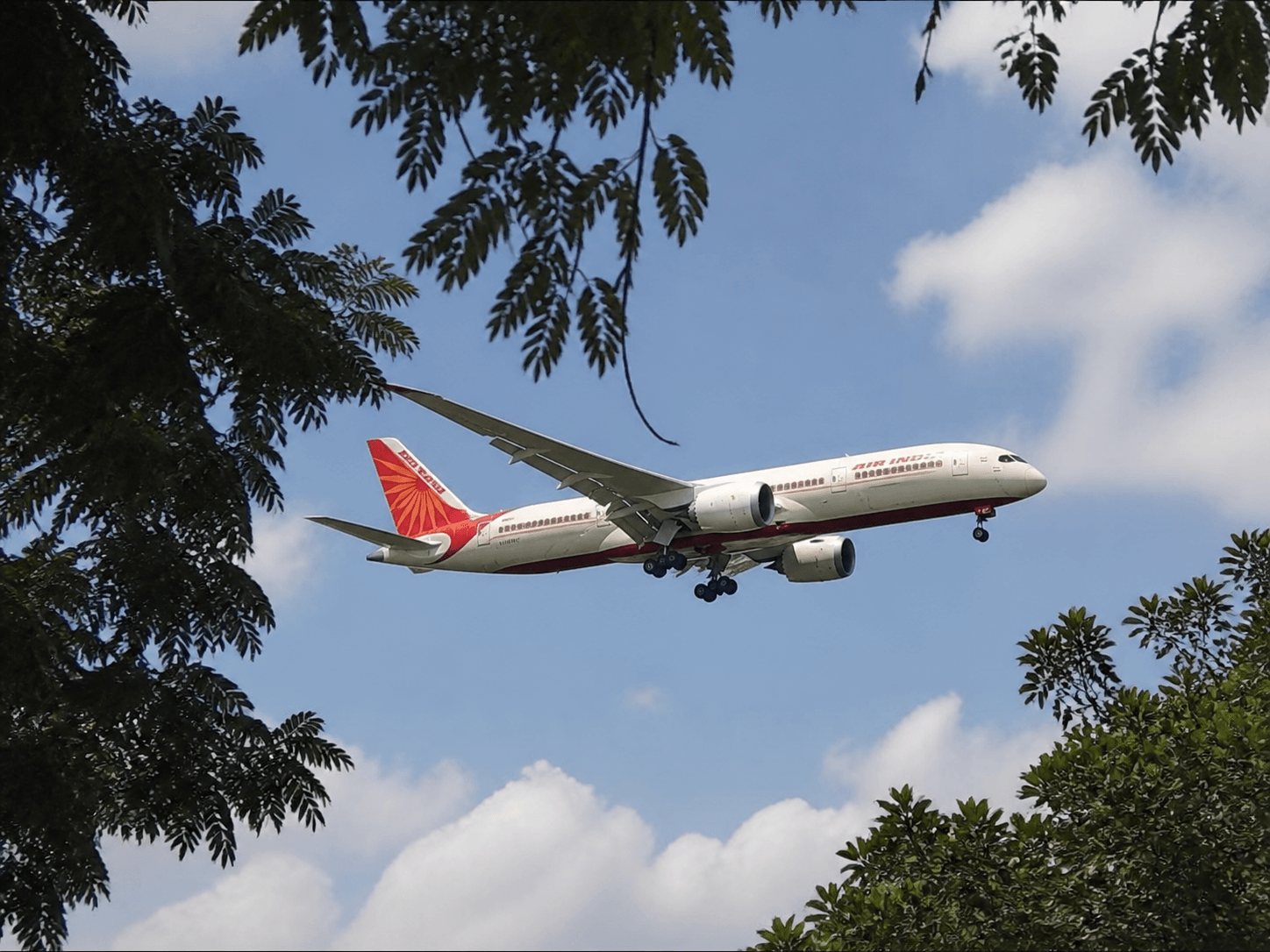
Singapore Airlines has absorbed operating losses of about S$1bn ($780mn) on its 25% stake in Air India less than two years after the investment, according to a report by the Financial Times, in a stark sign that the Tata Group-led turnaround of the ailing carrier is proving far tougher than anticipated.
The red ink flowing from the minority holding has raised difficult questions for Singapore Airlines’ management and shareholders, with analysts now forecasting further turbulence ahead. The losses, reflected in SIA’s financial disclosures, have already dented investor sentiment and spotlight the formidable challenges of overhauling India’s former flag carrier.
How the losses accumulated
The stake was acquired in 2022 as part of the Tata Group’s consolidation of Air India, when SIA invested alongside the Indian conglomerate to take on a strategic 25% holding. At the time, both sides touted the partnership as a way to combine SIA’s operational expertise with Tata’s deep domestic reach. But the carrier’s legacy problems – an aging fleet, fragmented IT systems, weak service standards and high debt – have proven stubbornly resistant to quick fixes.
According to the Financial Times, the S$1bn operating loss on the Air India position is the result of the Indian airline’s prolonged losses, longer-than-expected integration of its various subsidiaries, and a fiercely competitive aviation market in India. IndiGo’s dominance, the rapid expansion of upstart airlines, and price-sensitive passengers have kept yields under pressure, undermining the financial assumptions behind the deal.
More pain forecast
Investors and aviation analysts are bracing for further write-downs. The FT report indicates that market observers expect additional losses to be recognised in the coming quarters as Air India’s restructuring measures – including a massive fleet modernisation and network rationalisation – will take years to yield sustainable profits. Singapore Airlines has not publicly disclosed a timeline for the investment to turn profitable, a silence that is adding to uncertainty.
The exposure to Air India could also weigh on SIA’s own recovery narrative, disrupting its post-pandemic rebound. While the Singaporean carrier has reported strong passenger traffic on international routes, the drag from its associate’s losses may complicate its ability to return capital to shareholders or pursue other strategic ventures.
The wider Tata aviation gambit
For Tata Sons, the Air India reinvention is the cornerstone of its aviation ambitions, which also include Vistara (a joint venture with SIA) and AirAsia India’s former operations now merged into Air India Express. The group has committed billions of dollars to refreshing the aging Airbus and Boeing fleets, upgrading service, and re-establishing Air India as a credible full-service global carrier. But the sheer scale of the task, combined with India’s price-driven market structure, means the path to profitability remains long and uncertain.
Singapore Airlines’ investment was seen as a vote of confidence in Tata’s vision and a way to deepen its tie-up in one of the world’s fastest-growing aviation markets. However, the early S$1bn hit underscores the gap between strategic ambition and on-the-ground reality. As the turnaround effort grinds slowly forward, SIA’s shareholders may face more turbulence before any eventual payoff materialises.
Singapore Airlines’ investor relations page can be accessed here.


