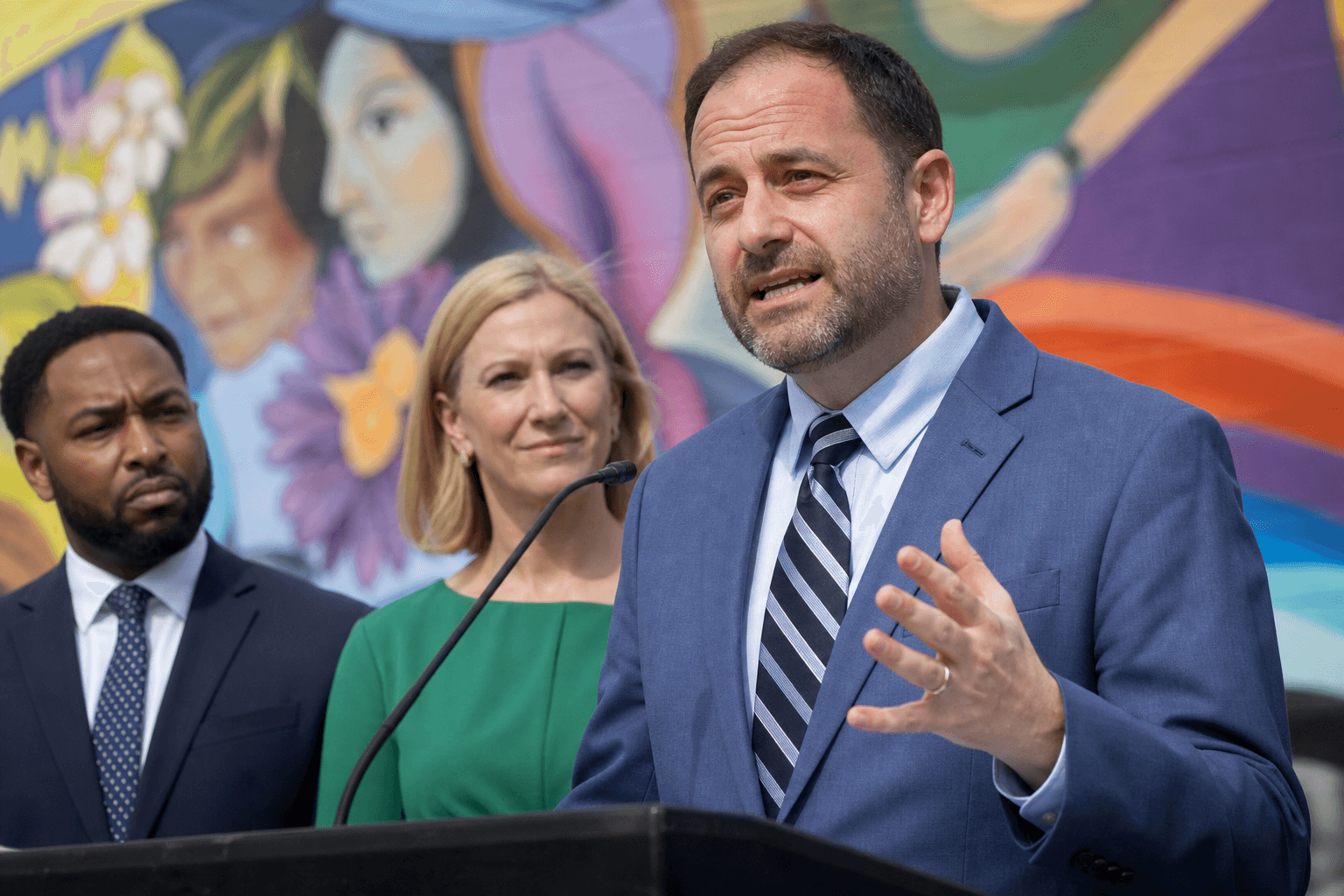
“Wildly Unprecedented”: Delaware Lawmakers Blast Governor’s $270K Surgeon General Post Granted to Friend Without Application
Secrecy and salary fuel bipartisan pushback
Delaware state lawmakers from both parties are openly questioning the process and legality behind Governor Matt Meyer’s creation of a new state surgeon general position — a post swiftly filled by a close friend and advisor who now acknowledges he never applied for the job.
The controversy erupted after it was revealed that Neil Hockstein, a long-time confidant of the governor, had assumed the role with an annual salary of $270,000, all without a public application, competitive search, or, according to several legislators, meaningful advance consultation with the General Assembly.
Friend confirms no application was required
Hockstein himself confirmed to reporters that his path to the taxpayer-funded post bypassed standard hiring protocols. In a statement that has intensified scrutiny, he said:
“I was hired for the position without having to apply.”
The admission has become a flashpoint for lawmakers who argue that such an appointment — for a newly conceived role — should have undergone far greater transparency and legislative oversight.
Legislators demand answers on authority and process
Several legislators, speaking on condition of anonymity while internal discussions continue, described the move as “wildly unprecedented” in recent state history. They are now examining whether the governor had the unilateral authority to establish a cabinet-level health policy office and fund it with a six-figure salary without explicit appropriation or statutory authorization from the legislature.
Key questions being raised include:
- What statutory authority allows the governor to create the surgeon general position without legislative approval?
- Why was the position not part of the publicly debated state budget process?
- What specific job description or legal designation defines the surgeon general’s responsibilities?
- Were any other candidates considered for the role, and if not, why?
Lawmakers are particularly troubled by the timing and optics. The surgeon general role appears to have been crafted and filled in a manner that kept the legislature — which controls state spending — largely in the dark until after the fact.
Governor’s office defends the hire
When reached for comment, a spokesperson for Governor Meyer defended the appointment, stating that the surgeon general position was designed to address pressing public health challenges and that Hockstein’s qualifications were well known to the administration. The office did not immediately clarify which budget line items supported the salary or whether the position had been approved by the state’s human resources or budget offices prior to the announcement.
Wider governance concerns surface
The episode is unfolding as a broader test of governance transparency in Delaware, where political watchdogs have previously warned about the potential for executive overreach in appointments. This latest row comes at a politically sensitive time, with the governor facing a skeptical legislature and growing demands for greater accountability in how high-level state jobs are created and filled.
“It’s not about personality; it’s about process,” one legislative aide familiar with the discussions said. “The public deserves to know that these decisions are made in full view, with proper checks and balances.”
The Delaware House and Senate are expected to explore the matter further in upcoming budget hearings, with some members signaling they may seek to freeze funding for the position unless a more transparent justification is provided.
Hockstein’s role and potential conflicts
Neil Hockstein has served as an advisor to Meyer on healthcare and other policy matters. His close relationship with the governor has fueled criticism that the appointment amounts to a patronage hire, although the administration has rejected that characterization. The lack of a formal application process, combined with the personal connection, has left many lawmakers uneasy about the precedent being set.
State personnel records show no public posting for the surgeon general role prior to Hockstein’s installment. Critics argue that even if the governor has the right to appoint certain policy advisors, a position carrying a salary comparable to top agency heads should be subject to open recruitment protocols.
What comes next
The uproar is likely to lead to committee hearings and possibly legislative action aimed at curbing the executive branch’s ability to create and fund senior posts without legislative consent. For now, the governor’s office insists the position is fully authorized, but has yet to release a detailed legal framework supporting that claim.
As the story develops, all eyes will be on whether lawmakers can compel more documentation and whether Hockstein’s appointment will be retroactively validated or become a catalyst for tightening state hiring laws.
This is a developing story.