FDA Launches Public Tracker as Food Industry Pledges to Remove Petroleum-Based Dyes From Frozen Foods by End of 2025
FDA Launches Public Tracker as Food Industry Pledges to Remove Petroleum-Based Dyes From Frozen Foods
The U.S. Food and Drug Administration has begun publicly tracking food-industry commitments to remove petroleum-based food dyes, turning voluntary reformulation pledges into a more visible accountability exercise. The move puts a spotlight on a specific time-bound promise: eliminating certified color additives from a U.S. frozen product portfolio by the end of 2025.
The FDA tracker on food industry pledges lists which companies have made public commitments related to certified color additives and, where available, their stated timelines. The agency describes the page as a way for consumers, retailers and the food industry to follow the status of those pledges.
What the tracker shows
The central pledge highlighted in the tracker is the elimination of certified color additives from a U.S. frozen product portfolio by the end of 2025. That target is significant because frozen foods are a large, highly processed category in which synthetic colors have historically been used in sauces, coatings, desserts, snacks and prepared meals.
The tracker is not a new regulation. Instead, it is an accountability tool designed to make company pledges more transparent. The FDA has indicated that it will record commitments and update the tracker as companies provide information about their reformulation progress.
Petroleum-based dyes and certified color additives
Certified color additives are synthetic dyes that must be batch-certified by the FDA before they can be used in foods. Many are derived from petroleum. The agency maintains a broader color additives information page explaining how these dyes are evaluated and what the certification process involves.
In recent years, consumer and regulatory pressure has pushed some manufacturers to replace synthetic dyes with alternatives such as fruit and vegetable juices, turmeric, beet extract and paprika. The tracker comes as more companies announce voluntary reformulations rather than waiting for a nationwide mandate.
Accountability, not a ban
The FDA approach is not a mandated nationwide ban. The tracker captures voluntary industry pledges, giving the public a way to compare what companies say with what is actually appearing on store shelves. The key question for consumers and regulators alike is whether deadlines will be met.
The tracker is an accountability tool rather than a new ban: it shows which companies have made pledges and, where available, their stated timelines.
For frozen foods, the end-of-2025 target creates a measurable benchmark. Reformulation in frozen products can be complex: replacing a synthetic dye may require changes to color stability and ingredient sourcing, especially in products that undergo freezing, reheating or long shelf storage.
Because the pledge is voluntary, the tracker does not impose penalties for missed deadlines. However, public accountability can influence retailers and consumers, especially as more shoppers read ingredient labels and seek products with simpler or naturally derived colors.
What this means for frozen foods
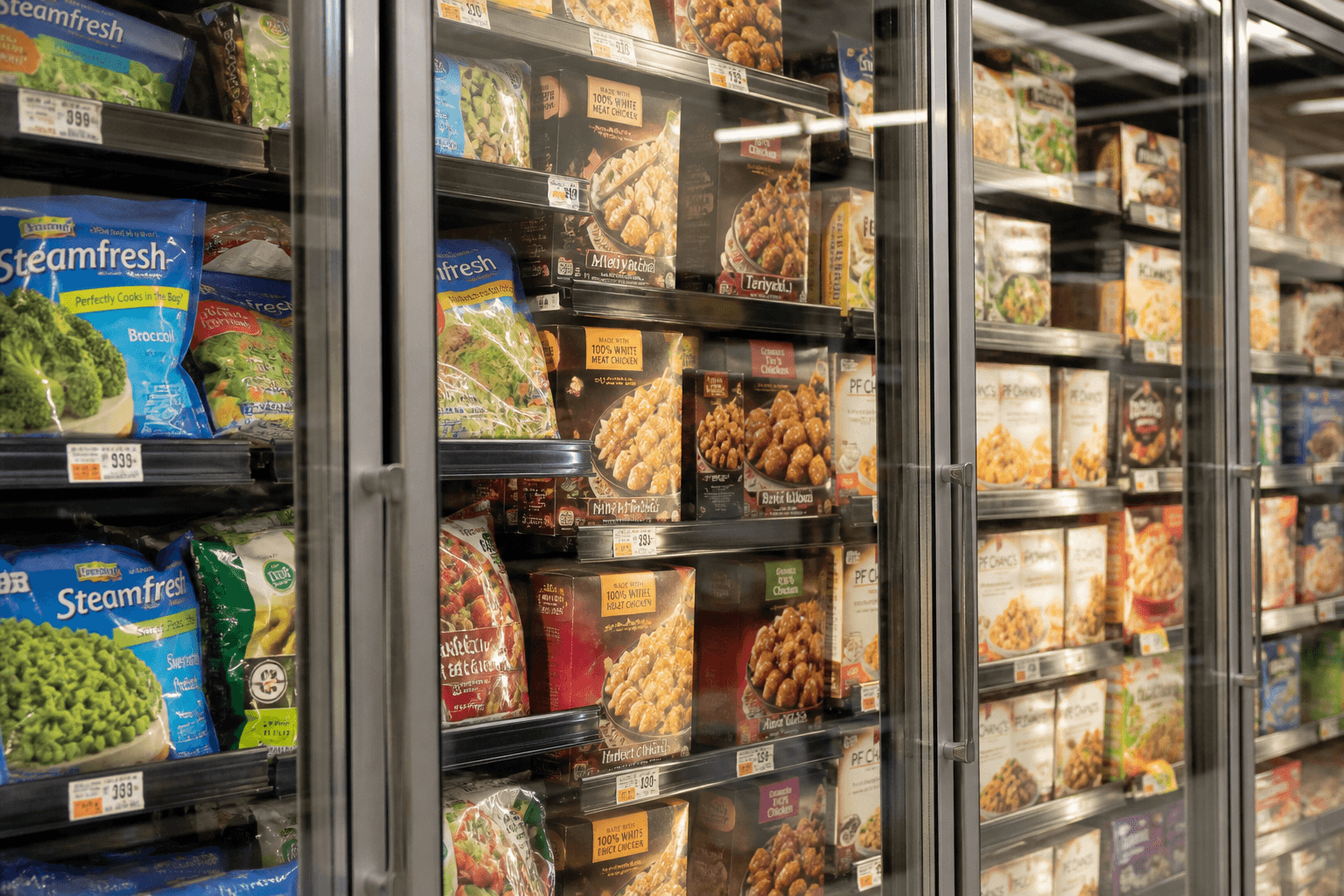
The end-of-2025 deadline gives manufacturers a relatively short window to reformulate products. Frozen foods can include everything from single-serve meals to pizzas to desserts. Some brands have already marketed products as free from synthetic colors, while others may be working through supply-chain changes. The public summary highlights the commitment at the portfolio level, allowing consumers and retail buyers to watch for changes in specific store aisles.
The tracker could affect a wide swath of the U.S. food market, particularly frozen meals and snacks, where certified colors have long been used for visual appeal. If companies meet the deadline, the reformulation may also reshape ingredient labels across multiple product lines at once.
What to watch next
The most important follow-up is implementation. The tracker is designed to be updated as companies make progress or revise their pledges. That means journalists, consumer groups and retailers can monitor whether reformulated products are actually appearing in stores, and whether the end-of-2025 commitment is met.
Key areas to watch include:
- Which frozen-food categories are covered by the pledge.
- Whether companies are already shipping reformulated products to retailers.
- How the FDA verifies company claims or receives updates.
- Whether similar pledges expand beyond frozen foods to other packaged categories.
The public tracker gives the food industry a new level of visibility on petroleum-based color additives. Its success will ultimately be measured not by the pledges themselves, but by the products that reach consumers without certified synthetic dyes.