
University of Missouri Becomes Central Hub for National Point-of-Care Ultrasound Education Initiative
Regional Hub Designation Bolsters Family Medicine Training
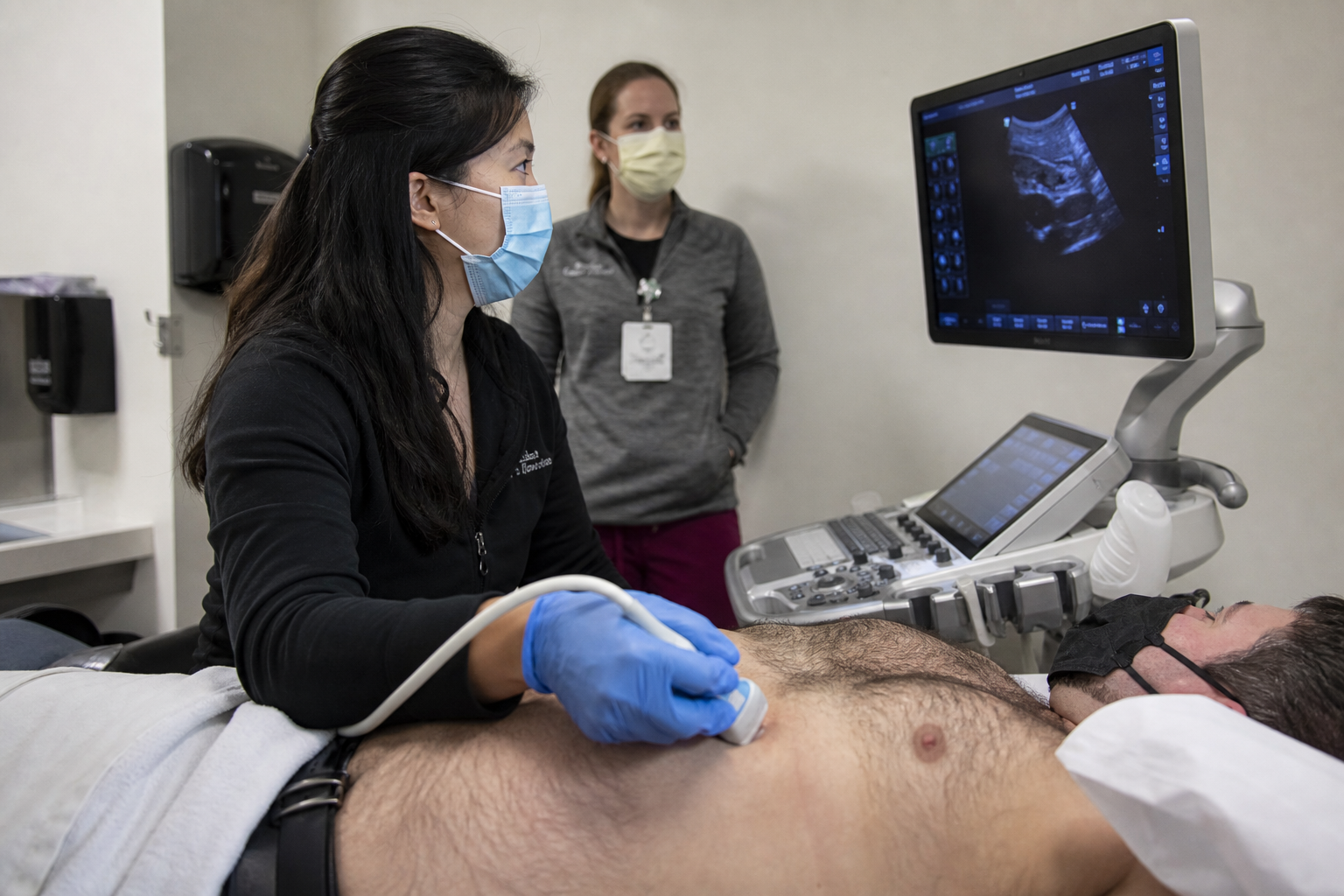
The University of Missouri School of Medicine has been selected as the Central Region Hub for the PRIME initiative, a national effort to expand point-of-care ultrasound (POCUS) education among family medicine physicians. The Department of Family and Community Medicine will now serve as a regional anchor, coordinating training and resources that enable clinicians to perform faster bedside assessments without relying on traditional imaging departments.
The designation positions Columbia, Missouri, as a critical node in a growing movement to integrate portable ultrasound into routine primary care. POCUS allows doctors to instantly evaluate conditions ranging from soft tissue injuries to cardiac function, reducing the time to diagnosis and often avoiding costly referrals.
What the Central Region Hub Means for Practitioners
Becoming the Central Region Hub signals a shift toward structured, scalable ultrasound training. The department will take the lead on:
- Developing curriculum and hands-on workshops for family medicine residents and practicing physicians
- Certifying instructors who can cascade POCUS skills to community health centers
- Hosting regional symposia to share best practices and research findings
- Creating digital learning modules accessible to clinicians in rural or underserved areas
This model addresses a known gap: while ultrasound technology is portable and increasingly affordable, many family doctors enter practice without adequate training to use it effectively. The hub aims to close that gap by making competency-based education a standard part of family medicine residency programs across the region.
“The designation suggests a broader training and support role for physicians, residents, and learners in the region,” the university noted in its announcement, underscoring the partnership-driven nature of the hub.
A Focus on Bedside Diagnostics
The push for POCUS education reflects a broader transformation in primary care. Rather than sending patients to a separate radiology appointment, family physicians can scan at the point of care—during an office visit, in a nursing home, or even at a patient’s home. The University of Missouri’s new role will help standardize how these skills are taught and assessed.
While the exact geographic footprint of the hub remains to be detailed, the Central Region designation suggests it will serve multiple states, likely extending beyond Missouri. The university is expected to collaborate with other PRIME-affiliated institutions to ensure consistent training quality and to track outcomes such as diagnostic accuracy and patient satisfaction.
For more information on the initiative, visit the official announcement from the University of Missouri School of Medicine.