
Chin Music: Richard Short’s Cricket Comic Celebrates the Endearing Eccentricities of Britain’s Summer Game
A New Innings for Sports Comics
The world of graphic storytelling has long embraced the drama of the boxing ring and the spectacle of the football pitch, but cricket — that most intricate and ritual-laden of sports — has rarely found itself the subject of a dedicated comic. Richard Short sets out to change that with Chin Music, the inaugural volume in his ambitious World of Sport series, published by Breakdown Press. Rather than repurposing the game into a straightforward narrative of triumph and defeat, Short uses the comic form to peel back the layers of cricket’s soul, revealing a practice steeped in eccentricity, quiet tradition, and a profoundly British identity.
The Sound of Leather on Willow — and Much More
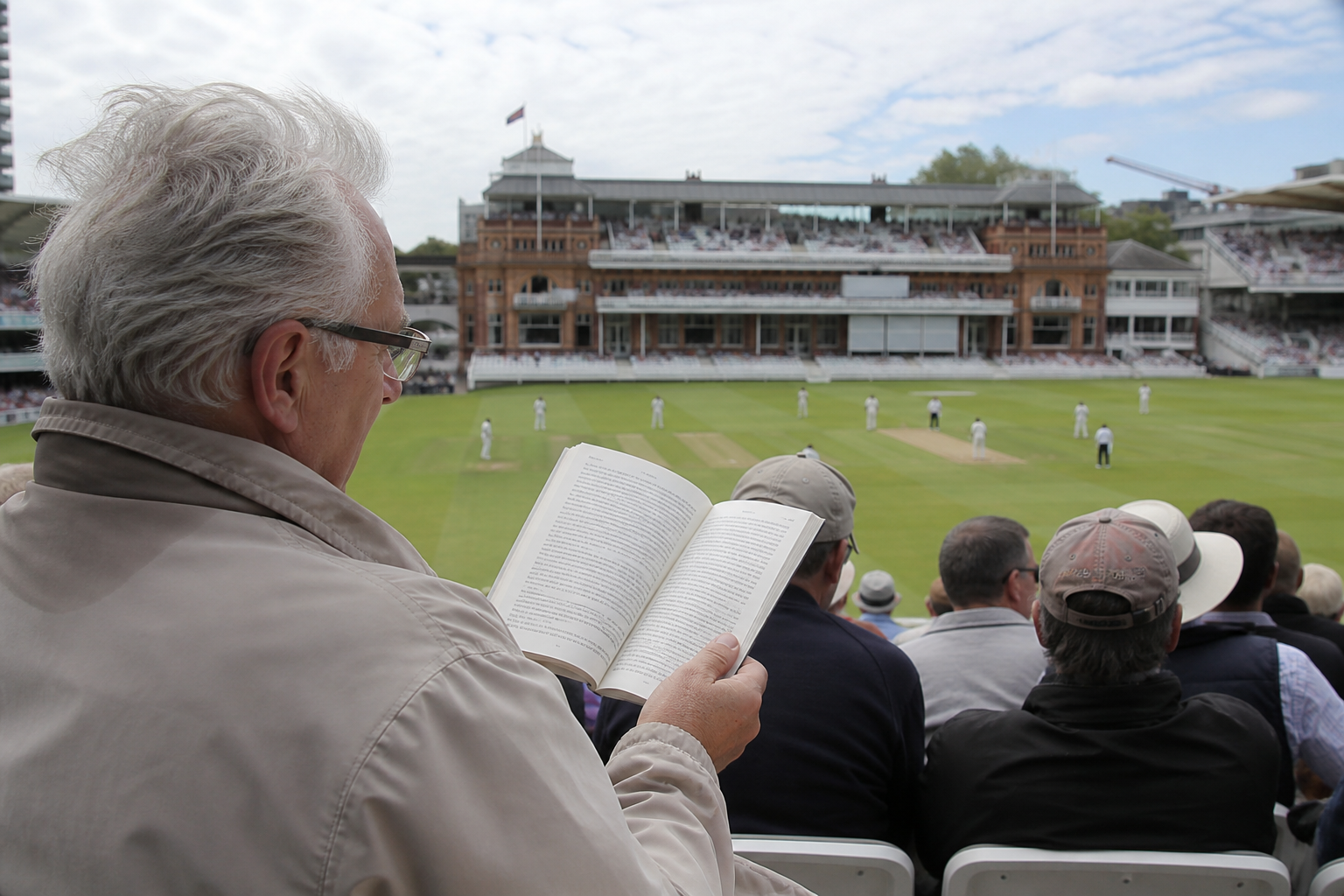
The title itself, Chin Music, is a nod to the sport’s own lexicon: a term for the short-pitched delivery that whistles menacingly past a batsman’s chin. It is a phrase that captures the blend of artistry and aggression, the gentle hum of afternoons punctuated by sudden peril. Through Short’s pen, that duality is explored not only on the pitch but in the tea tents, the pavilion chatter, and the ever-watchful eyes of the members at Lord’s. Chin Music concerns itself with the game’s atmosphere as much as its action, observing the silences between deliveries, the idiosyncrasies of kit and clothing, and the unspoken codes of conduct that have been passed down through generations.
Short’s cartooning lingers on details that a televised broadcast would dismiss: the way a sweater is draped over a fielder’s arm, the meticulous arrangement of a batsman’s guard, the sudden appearance of a cake trolley at the pavilion boundary. These are the artefacts of a sporting culture that prizes ceremony over speed, and it is precisely these quirky rhythms that Chin Music elevates into a visual poetry.
A Graphic Ode to British Identity
Where many sports comics chase the kinetic thrill of the highlight reel, Chin Music walks a more reflective pitch. Short, working under the independent banner of Breakdown Press, treats cricket as a cultural institution — an enduring emblem of Britishness that manages to be simultaneously parochial and global. The comic does not lecture on the leg-before-wicket rule or the nuances of the batting order; instead, it invites the reader to inhabit the game’s peculiar tempo. From the village green to the Test arena, the scenes evoke a sense of place that is as much about the surrounding countryside, the shifting light, and the ritual of the lunch interval as it is about runs on the board.
This approach places Chin Music within a broader resurgence of interest in cricket-themed literature and art. Like Joseph O’Neill’s Netherland or the cult zines that have chronicled local club cultures, Short’s work captures cricket at an anthropological level. It is a book less concerned with who wins and loses than with what it means to belong to a tradition that stretches back to the 18th century, evolving yet stubbornly holding onto its quirks.
The World of Sport Expands
As the first entry in a projected series, Chin Music sets a contemplative tone. Short’s artistic approach suggests that what makes a sport compelling is not just the contest, but everything that happens around and between the moments of play. In choosing cricket as his starting point, he has alighted on a fertile subject: a game whose very vocabulary — googly, silly mid-on, donkey drop, sticky wicket — reads like a surrealist poem. Breakdown Press, known for championing inventive and often unconventional graphic works, provides the perfect home for a project that resists easy categorisation.
For cricket lovers, Chin Music will feel like a long-lost friend — a book that validates the obsession with weather forecasts, the smell of linseed oil, and the existential battle between bat and ball. For those new to the game, it offers an inviting gateway into a world where the eccentric is celebrated and the seemingly mundane is rendered with affection and wit. Richard Short has not simply drawn a cricket comic; he has fashioned a quiet manifesto for looking at sport with a poet’s eye.


