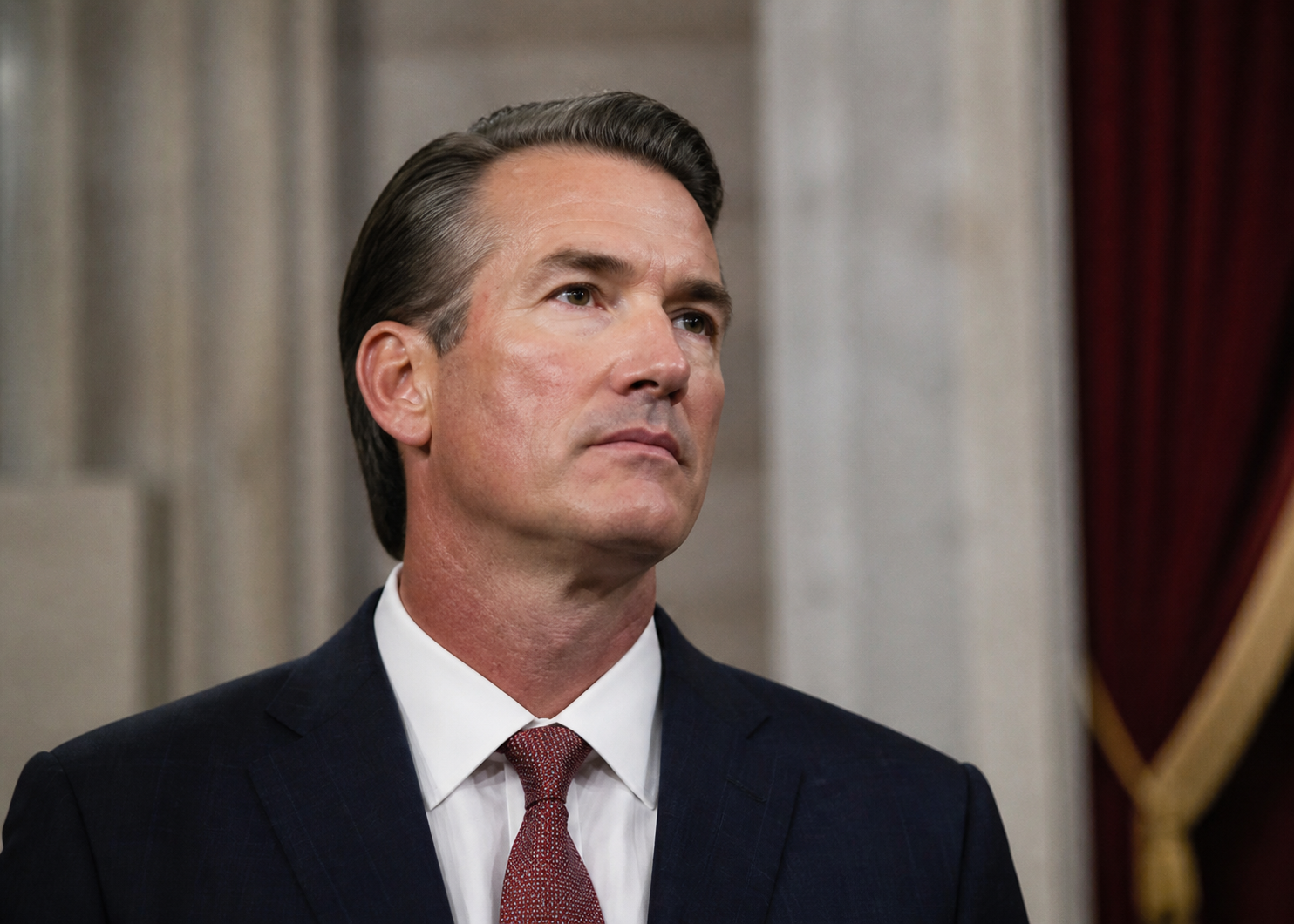
Blanche on Track for Narrow Senate Confirmation as Attorney General Amid Chaotic Capitol Day
Blanche on Track for Narrow Senate Confirmation as Attorney General Amid Chaotic Capitol Day
The U.S. Senate is barreling toward a razor-thin confirmation vote on Blanche as the next attorney general, the climax of a turbulent day at the Capitol that also saw lawmakers muscle through what is being described as the toughest sanctions package on Russia to date. The convergence of high-stakes votes underscores the deeply partisan atmosphere and the breakneck pace of legislative and executive branch decisions unfolding in Washington.
The Whip Count and Procedural Path
Senate leadership sources indicate that Blanche, the administration’s pick to lead the Department of Justice, is on track for confirmation but only by a margin that reveals the stark divisions within the chamber. While a final floor vote is expected imminently, the procedural path has been littered with contentious debate. The nomination narrowly cleared the committee stage, and floor managers have been working aggressively to lock in votes, leaving little room for error.
The narrow margin has placed a spotlight on a handful of centrist and swing-vote senators who have publicly wavered. With the Senate split closely along party lines, any defection could have sunk the nomination. Whip counts reviewed by aides suggest that while Blanche has secured the necessary majority, the final tally is likely to be one of the closest for a cabinet-level Justice Department leader in recent memory.
A Crowded and Contentious Senate Agenda
The confirmation drama is playing out against a backdrop of frenzied Senate activity. On the same legislative day, the chamber passed a sweeping Russia sanctions bill designed to ratchet up economic pressure on Moscow. The bill, which moved with significant bipartisan support, is being hailed by its sponsors as the most aggressive sanctions regime ever enacted by Congress. The dual-track schedule, with senators juggling final debate on Blanche’s qualifications alongside intense foreign policy legislation, has added to the sense of a Capitol in overdrive.
The timing injects a complex layer into the political calculus for Blanche. Supporters argue the confirmation of a permanent attorney general is critical for national security and the enforcement of such sanctions. Opponents, however, have used the chaotic schedule to question whether the administration is rushing a controversial nominee through while public attention is diverted by the Russia sanctions debate.
Support and Opposition: A Battle Over Justice Department Independence
Debate over Blanche’s nomination has centered on the future independence of the Department of Justice. Backers, including the White House and senior members of the Senate majority, have praised Blanche’s legal acumen and career record, framing the nominee as a steady hand needed to restore order and focus within the department. They contend that leaving the post vacant or filled by an acting official for an extended period undermines law-enforcement priorities.
Opposition senators, however, have raised vocal concerns during floor speeches about Blanche’s willingness to resist political pressure from the executive branch. Critics have pointed to past statements and legal memos they claim signal an overly expansive view of executive power. These lawmakers argue the Justice Department needs a leader who will serve as an independent check rather than a loyalist.
“This vote is about more than one person; it is about whether the Department of Justice will enforce the law without fear or favor, or whether it will become an extension of the White House’s political arm,” one leading opposition senator said during the floor debate.
Broader Implications for the Justice Department
The confirmation of a new attorney general carries profound implications for the oversight of federal law enforcement, civil rights enforcement, and the management of ongoing sensitive investigations. With the Russia sanctions bill requiring robust enforcement mechanisms, the leadership vacuum at Justice could have delayed critical implementation. Blanche’s supporters have hammered on the necessity of having a Senate-confirmed leader to direct resources and set prosecutorial guidelines immediately.
Critics remain unconvinced the timing resolves any of those issues, warning that a deeply polarizing confirmation process will leave the department’s morale fractured and its credibility challenged from day one. The narrow vote, once finalized, is likely to be cited by both parties as either a mandate or a warning sign for the administration’s broader agenda.
Looking Ahead to the Final Gavel
As the Senate prepares to gavel in the final tally, all eyes are on the electronic voting board. With the Russia sanctions package already headed for the president’s desk, the confirmation of Blanche now stands as the singular remaining item of business that will define this legislative session. The outcome will either hand the administration a significant victory in filling its national security leadership team or deal a stunning setback that further exposes the fault lines on Capitol Hill.