
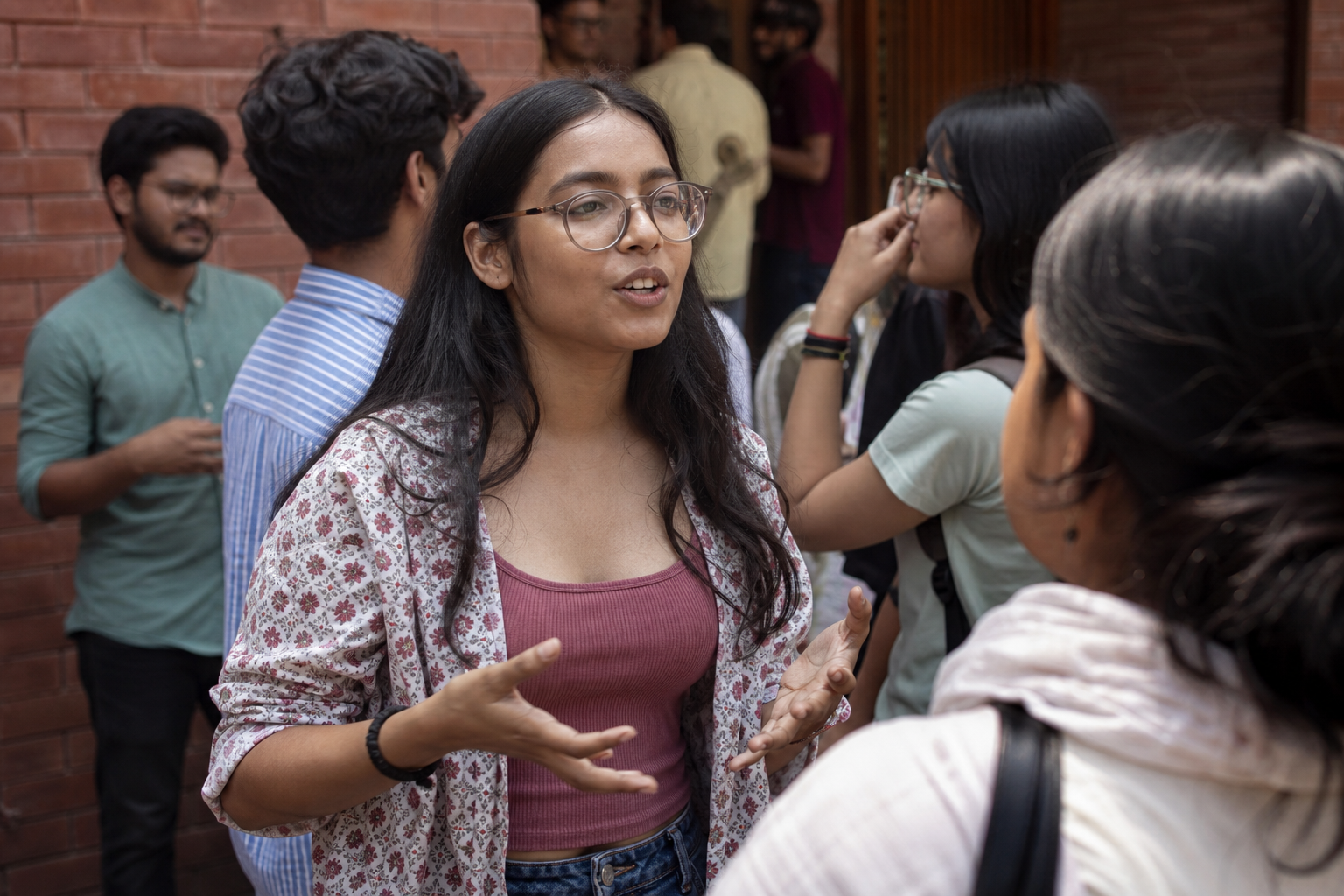
‘My father is in RSS’: India’s Gen Z confronts Modi-loving parents at home
A House Divided: When Dinner Tables Become Political Battlegrounds
Indian homes, long considered the stabilising backbone of social and political allegiance, are witnessing an unprecedented rift. Children of staunch Bharatiya Janata Party (BJP) and Rashtriya Swayamsevak Sangh (RSS) supporters are increasingly challenging their parents’ pro-Modi politics, demanding a shift away from what they call the “politics of hate” and toward substantive governance issues such as education reform. The trend, detailed in a recent Al Jazeera report, exposes a generational faultline that political observers say could reshape the country’s electoral landscape in years to come.
“My father is in RSS, but I refuse to be part of this culture of hate,” one young adult told Al Jazeera, encapsulating a sentiment that is quietly brewing in urban and semi-urban households across India.
Beyond Party Loyalty: A Push for Education and Civic Priority
The discontent is not merely about opposing a political party; it signals a deeper ideological divergence. Gen Z Indians, aged roughly between 16 and 27, are prioritising access to quality education, employment opportunities, and transparent governance over the nationalist identity politics championed by the ruling dispensation. Many point to the Ministry of Education’s own policy shifts as emblematic of misplaced focus, arguing that curricular changes and campus politics are overshadowing fundamental reforms in pedagogy and research infrastructure.
This emphasis on education aligns with broader Pew Research Center findings that show Indian youth are more globally connected, socially liberal, and sceptical of conventional political messaging than older generations. While their parents may vote on issues of national security and cultural identity, these young adults are demanding that the government deliver on classroom quality and skill development.
Redefining the ‘Hate’ Narrative
The phrase “politics of hate,” as used by the young dissenters, encompasses aggressive polarisation, religious majoritarianism, and the vilification of minorities. While many in Gen Z do not necessarily reject Hindu cultural pride, they are drawing a sharp line between identity and the kind of exclusionary rhetoric that they see as corrosive to a pluralistic society. Researchers note that the distinction is critical: these children are not uniformly anti-BJP or anti-Modi, but they are overwhelmingly anti-hate speech and anti-communal tension, frames that often pit them against their RSS-affiliated parents.
How Widespread Is the Trend?
Experts caution against overgeneralisation. The visible chasm appears most starkly in urban, English-speaking, and digitally connected homes where children have access to diverse media sources and global educational curricula. In rural India, where family structures remain more hierarchical and the RSS’s grassroots network is deeper, similar confrontations are less vocal. However, with internet penetration crossing 900 million and smartphone usage surging even in villages, the urban pattern could gradually spill over into the hinterland. Social media platforms have become venting spaces; anonymous confessions pages and campus discussion forums are filled with young Indians narrating their dinner-table arguments.
Political Implications: A Future Electoral Jolt?
Whether this domestic backlash translates into electoral shifts remains uncertain. The Election Commission of India records indicate that youth voter enrolment has risen sharply, with the 18-25 demographic now a formidable voting bloc. Yet, disillusionment at home does not automatically mean a collective move to opposition parties; it could just as easily manifest as voter apathy or a stubborn private grievance that never reaches the ballot box.
Political strategists, however, are taking note. The BJP’s own internal surveys have long acknowledged the need to connect with first-time voters on issues beyond nationalism. If the household friction intensifies, the party’s once-unshakeable support within its core family units may fray, presenting a long-term demographic challenge. For now, the rebellion is mostly silent, but as the 2029 general elections approach, India’s political parties may be forced to confront a generation that no longer inherits political loyalties like a family heirloom.
Source: Al Jazeera