Diageo Challenges India Rum Ban, Alleges Lack of Due Process as Food Regulator Begins Consultations
Diageo Moves Court Against Ban on Popular Rum Brand
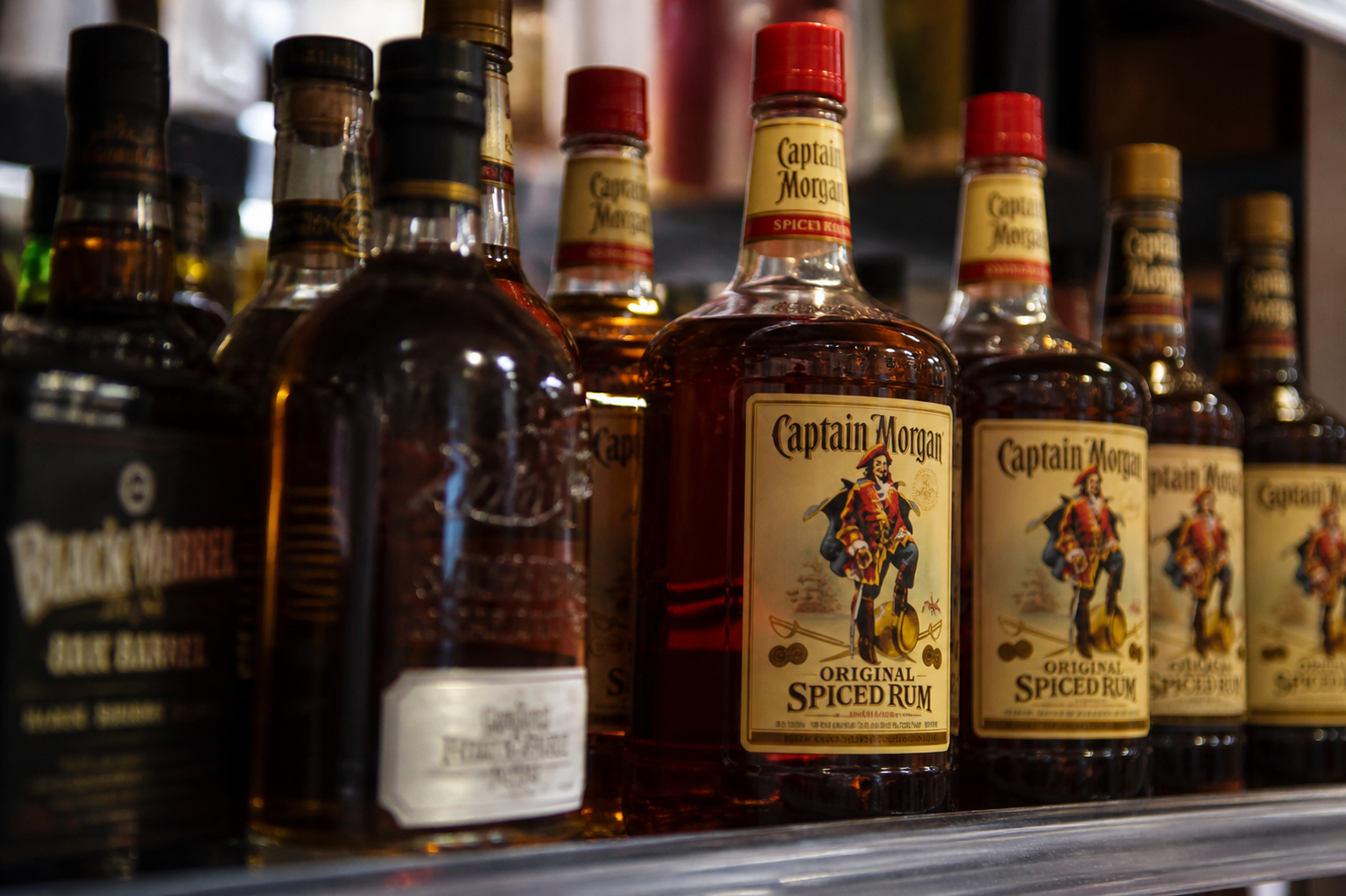
Diageo has mounted a legal challenge against the Indian government's prohibition of one of its popular rum brands, arguing the ban was imposed for alleged misbranding without following due process. The move comes as the country's food safety regulator simultaneously began consultations on the very issue, raising questions about the coordination and procedural fairness of regulatory enforcement in India's alcohol sector.
According to a Reuters report, the prohibition was ordered by Indian government authorities, though Diageo contends the action violated established administrative norms. The specific rum brand, a significant player in India's spirits market, was targeted on grounds of misbranding—a term that can encompass labeling inaccuracies, non-compliance with packaging rules, or misleading claims. Diageo's challenge centers on the absence of a proper hearing or opportunity to present its case before the ban was enforced.
Timing Raises Procedural Questions
The timing of the ban is particularly contentious. The Food Safety and Standards Authority of India (FSSAI), the statutory body responsible for regulating food and beverage standards including labelling, had only just begun consultations on related matters when the prohibition was issued. This juxtaposition suggests that the government acted unilaterally, bypassing the consultative processes that typically govern such regulatory actions.
Legal experts note that India's administrative law requires regulators to follow principles of natural justice before imposing punitive measures. Diageo's plea is likely to argue that the ban not only harms its business but also sets a troubling precedent for arbitrary executive action, undermining the predictability that both domestic and foreign investors seek.
Industry and Regulatory Implications
While the immediate impact on sales and distribution remains unclear, any sustained ban could disrupt Diageo's market position in India, one of the world's largest spirits markets. The case highlights the intricate interplay between alcohol regulation, food safety oversight, and administrative procedure. Indian states have varying excise rules, but misbranding often falls under central FSSAI guidelines, making the central government's sudden intervention all the more puzzling.
Diageo's challenge is expected to seek either a stay on the ban or a declaration that the prohibition is procedurally flawed. The outcome could influence how future regulatory actions are undertaken against consumer goods companies in India, particularly in the tightly controlled alcohol sector. For now, the dispute underscores the growing demand for transparency and due process in India's regulatory landscape, even as the FSSAI continues its own consultations—a process that may now be overshadowed by the legal battle.
Source: Reuters