AI Is Reshaping Medicine: From Personalized Cancer Therapy to Early ALS Detection
A New Diagnostic Era
Artificial intelligence is scripting a new chapter in medical history, moving from experimental labs into clinics at a pace once considered unthinkable. The technology is now being deployed to tailor cancer treatments to individual patients, detect neurodegenerative diseases like ALS years before symptoms fully manifest, and parse vast datasets that human clinicians simply cannot process alone. Experts describe the moment as a potential ‘golden age’ for medicine, though they caution that many of the most ambitious promises remain in early validation stages.
Personalized Cancer Care Becomes a Reality
Perhaps the most advanced application is in oncology. AI models are already helping oncologists match therapies to the specific genetic and molecular profile of a patient’s tumor. By analyzing pathology slides, genomic data, and medical records, machine learning algorithms can suggest treatment combinations that would take human teams weeks to identify. This approach moves beyond the one-size-fits-all chemotherapy model, aiming instead to improve outcomes by targeting the unique vulnerabilities of each cancer.
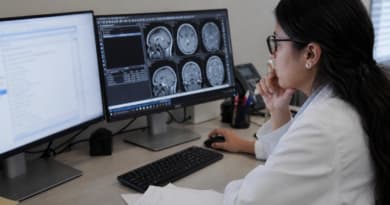
“We are seeing a shift where AI does not replace the physician but acts as a supercharged second opinion,” a researcher at a leading cancer center explained. The technology can flag subtle patterns in imaging scans that indicate early malignancy, sometimes months before a radiologist would detect them. However, hospitals are integrating these tools cautiously, requiring rigorous clinical trials and FDA review before they become standard practice.
The Race to Detect ALS Sooner
Beyond cancer, one of the most striking areas of progress is the early detection of amyotrophic lateral sclerosis (ALS). AI algorithms trained on electronic health records, voice patterns, and even subtle movement data from wearable devices are pinpointing early risk signals. Traditional diagnosis of ALS often involves a lengthy process of elimination, frequently delaying confirmation by a year or more. AI-assisted screening could compress that timeline dramatically, potentially allowing interventions to begin when they are most effective.
The National Institutes of Health has funded multiple studies exploring how machine learning can identify biomarkers for neurodegenerative conditions. These tools are not yet available in routine neurology visits, but pilot programs at academic medical centers are yielding promising results that could reshape how diseases like ALS are managed.
Balancing Hype and Clinical Reality
Despite the excitement, a significant gap exists between research breakthroughs and bedside implementation. Many AI models have been trained on datasets that lack diversity, raising concerns about biased outcomes for underrepresented groups. False positives and false negatives remain a critical risk, especially in diagnostic settings where an incorrect read could lead to unnecessary surgery or a missed cancer.
Regulatory agencies such as the U.S. Food and Drug Administration are developing frameworks to evaluate adaptive AI systems that continue to learn after deployment. The World Health Organization has also issued ethics guidelines urging transparency, human oversight, and equitable access to prevent a scenario where advanced AI tools widen global health disparities rather than close them.
Privacy and the Data Dilemma
Powering these medical breakthroughs requires enormous quantities of patient data, which triggers privacy concerns. Health-tech firms and hospitals are navigating strict regulations to anonymize records while preserving the detailed information needed for accurate training. Experts warn that without robust governance, the data hunger of AI could compromise patient confidentiality. Secure federated learning systems, where algorithms train on decentralized data without moving it, are emerging as a potential solution but are far from universal adoption.
The Road Ahead
The consensus among medical researchers is that AI will not replace doctors but will instead fundamentally alter their workflows, handling routine analysis and freeing up clinicians for complex decision-making and patient interaction. The promise of saving billions of lives rests on the technology’s ability to democratize expertise, allowing a clinic in a rural area to access the same diagnostic power as a major urban hospital.
For now, the field remains in a delicate balance between transformative potential and the need for validated, safe, and equitable deployment. The golden age has begun, but its most profound chapters are still being written in laboratories, clinical trials, and regulatory hearings around the world.