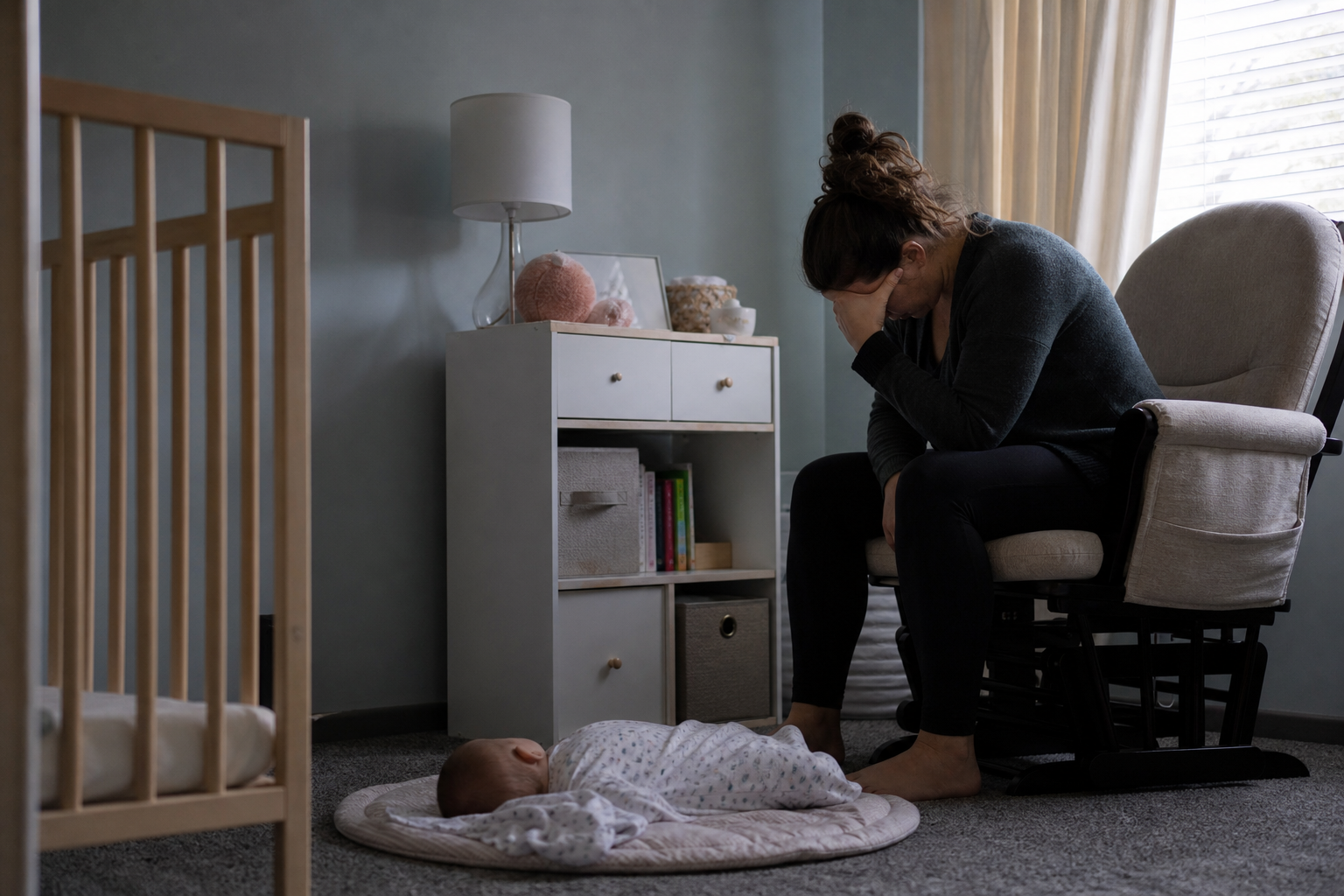
Lindsay Clancy Case Exposes America’s Postpartum Mental Health Crisis, Experts Say
A Tragedy Sparks a National Conversation
The case of Lindsay Clancy, a Massachusetts mother accused of killing her three children, has become a flashpoint in a much larger, often invisible crisis: the state of postpartum mental health care in the United States. An ABC News documentary now examines how this tragedy is forcing a long-overdue reckoning with systemic gaps that leave new mothers vulnerable to severe, and sometimes fatal, psychiatric conditions.
While the criminal proceedings against Clancy address an individual’s alleged actions, maternal health experts argue the case cannot be separated from the broader public health emergency that is maternal mental illness. The documentary highlights the chasm between what is known about pregnancy-related mood disorders and what is actually being done to screen, diagnose, and treat them.
A Spectrum of Suffering: From Baby Blues to Psychosis
Most people have heard of the “baby blues,” but far fewer understand the full spectrum of perinatal mood and anxiety disorders. According to the Centers for Disease Control and Prevention, postpartum depression affects about 1 in 8 women and can last months if untreated. More severe is postpartum psychosis, a rare but emergent condition occurring in 1 to 2 per 1,000 deliveries, characterized by hallucinations, delusions, and a high risk of self-harm or harm to the infant.
“What makes cases like Lindsay Clancy’s so devastating is that postpartum psychosis is highly treatable when caught early,” experts say. The documentary underscores that the tragedy is less about a singular event and more about a system that repeatedly fails to catch warning signs in time. Rarer still are cases of infanticide linked to severe postpartum mood episodes, but they consistently raise questions about missed opportunities for intervention by family, clinicians, and hospitals.
Gaps in the Healthcare Chasm
The ABC News investigation points to critical failures in the standard of care after childbirth:
- Inconsistent Screening: Although many OB-GYNs and pediatricians now use validated screening tools like the Edinburgh Postnatal Depression Scale, not all providers do so, and follow-up is often haphazard. Many women fall through the cracks between obstetric and primary care.
- Lack of Specialist Access: The U.S. faces a dire shortage of perinatal psychiatrists and therapists trained in maternal mental health. In rural areas and underserved communities, the nearest specialist may be hours away.
- The 6-Week Gap: Traditional postpartum checkups occur at six weeks, yet severe symptoms can emerge within days of delivery. New mothers are often discharged from the hospital without a clear emergency plan for mental health crises.
- Family and Clinician Blind Spots: Family members may attribute severe anxiety or odd behavior to exhaustion, while busy clinicians may miss signs that a mother is losing touch with reality. The documentary stresses that educating both front-line providers and loved ones is a vital part of prevention.
The American College of Obstetricians and Gynecologists has issued clear guidance calling for a “fourth trimester” of care—an ongoing process that includes mental health screenings and a continuum of support. Yet implementation remains fragmented.
Part of a Larger Maternal Health Emergency
The postpartum crisis does not exist in a vacuum. The United States already has the highest maternal mortality rate among high-income nations, with staggering racial disparities. Mental health conditions are a leading underlying cause of pregnancy-related death, often linked to suicide and overdose. The Clancy case, the documentary argues, is a visible symptom of an under-resourced and fractured care model that leaves all mothers—but especially women of color, low-income women, and those in states without Medicaid expansion—dangerously unsupported.
“We cannot treat maternal mental health as a niche concern. It is central to any effort to save mothers’ lives,” one perinatal psychiatrist says in the film.
Advocates point to the need for universal screening, expedited referrals, and innovative solutions like mother-baby psychiatric units, which are common in other countries but almost nonexistent in the U.S. Meanwhile, the criminal justice system is left to grapple with outcomes that the healthcare system might have prevented.
As the documentary makes clear, the Lindsay Clancy trial is not just about guilt or innocence; it is a mirror reflecting how America fails its mothers during their most vulnerable moments. The question moving forward is whether this case will finally spur the systemic changes that experts have been demanding for decades.