UAE Intercepts Iranian Drone Over Territorial Waters in Escalating Gulf Security Incident
Incident Details and Official Confirmation
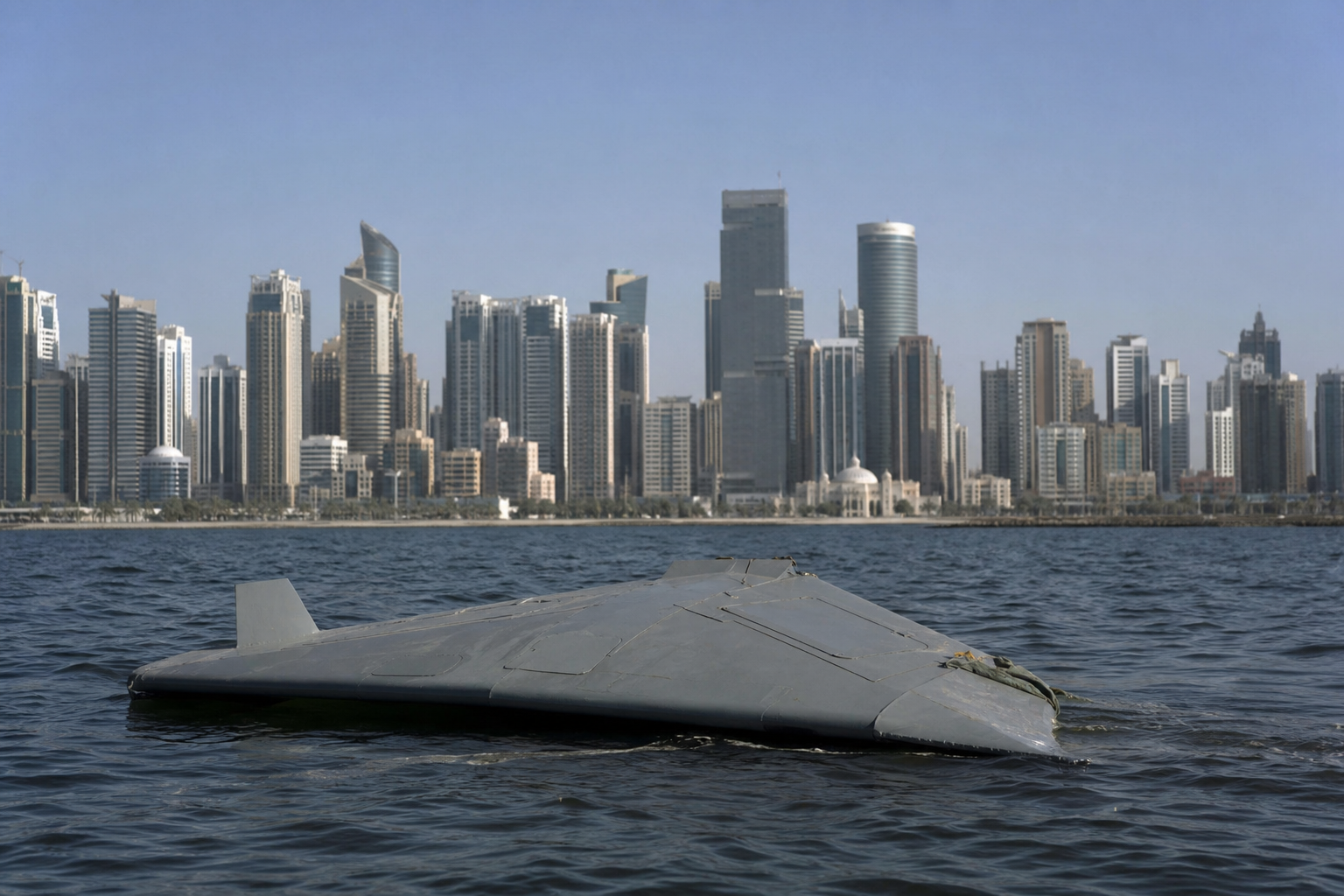
The United Arab Emirates intercepted an Iranian drone over its territorial waters early Monday, the country’s Defense Ministry confirmed, marking a tense escalation in Gulf security as regional frictions intensify. The interception unfolded without immediate reports of damage or casualties, according to the official statement.
The ministry described the unmanned aerial vehicle as Iranian but did not disclose the technical evidence used to make that attribution, nor did it specify whether the drone was armed or conducting surveillance. The interception was carried out in accordance with rules of engagement designed to protect the UAE’s airspace and maritime boundaries.
Air Defense Alert and Threat Assessment
While the Defense Ministry stopped short of detailing whether the drone posed an imminent threat to civilian or military assets, the rapid response underscores the heightened posture of Emirati air defense systems. The UAE has invested heavily in advanced radar and missile interception capabilities, including the U.S.-made Terminal High Altitude Area Defense (THAAD) and Patriot systems.
No damage to offshore infrastructure, commercial shipping, or coastal facilities was reported. The incident occurred in territorial waters, a sensitive zone that includes critical energy export routes and desalination plants vital to the Gulf state.
Broader Regional Context
The interception comes amid soaring Middle East tensions fueled by the ongoing shadow war between Iran and Israel, attacks on commercial vessels, and the proliferation of low-cost drone technology. Iranian-backed groups have repeatedly deployed drones against targets across the region, raising fears that the technology is outpacing traditional deterrence models.
Gulf Arab states have been caught between de-escalation diplomacy with Tehran and the need to project a robust defense posture. Monday’s incident is the latest in a pattern of drone and missile events that have rattled the Arabian Peninsula, including previous Houthi-launched attacks originating from Yemen and direct Iranian drone sorties.
Official Responses and Diplomatic Fallout
Abu Dhabi has not yet indicated whether it will lodge a formal complaint with the United Nations or regional bodies. The UAE’s diplomatic channel with Iran has seen periodic engagement, but such military incursions could test the limits of that outreach.
Tehran has yet to issue an official response. Historically, Iran has denied responsibility for similar incidents, often labeling such claims as part of a narrative designed to justify foreign military presence in the Gulf. Regional security analysts anticipate a cautious initial silence from Tehran while it assesses the diplomatic damage.
Allied Military Posture
U.S. Naval Forces Central Command and allied Gulf partners routinely monitor airspace over the Arabian Gulf and the Gulf of Oman. While the U.S. military has not issued an immediate statement on Monday’s interception, the incident is likely to be raised through existing defense coordination channels. The UAE hosts American military personnel and assets, which adds a layer of strategic significance to any breach of its sovereign airspace.
Pattern or One-Off Incident?
It remains unclear whether the intercepted drone represents an isolated provocation or a test of Emirati defenses preceding further activity. Security analysts note that drone overflights near territorial waters have become a recurring feature of the regional security landscape, providing adversaries with plausible deniability while gathering intelligence or probing defense perimeters.
The UAE Ministry of Defense has not released imagery of the drone’s wreckage nor indicated whether components have been recovered for forensic analysis. Such analysis would be crucial to definitively establish origin and intent.
Implications for Regional Stability
The interception reinforces concerns about spillover from wider Middle East tensions into the Gulf, a corridor for a significant share of the world’s oil and liquefied natural gas. Even non-lethal incursions can rattle energy markets and insurance premiums for commercial shipping.
Diplomats and security officials across the Gulf Cooperation Council are likely to review air-defense coordination in the wake of the incident, with a focus on closing detection gaps exploited by small, slow-flying drones that challenge conventional radar systems.