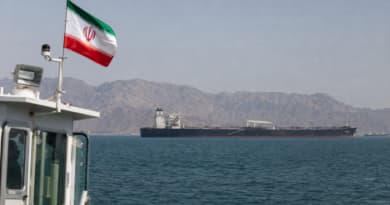
U.S. and Iran Trade Fire in Strait of Hormuz, Shattering Month-Long Calm
Strikes Resume in Strategic Waterway
AMMAN, Jordan — The United States and Iran exchanged direct military blows in the Strait of Hormuz on Sunday, abruptly ending a roughly month-long pause in hostilities and raising fears of wider disruption to global oil and commercial shipping through the narrow chokepoint.
The U.S. military said it targeted and destroyed a number of Iranian rocket launchers positioned in the strait, in what it described as a defensive operation to protect maritime traffic. Iran immediately responded with retaliatory strikes, confirming that the fragile suspension of cross-border attacks had collapsed.
Quick Escalation on a Vital Artery
The Strait of Hormuz, a narrow passage through which roughly one-fifth of the world’s oil flows, has been a repeated flashpoint in the simmering shadow conflict between the two nations. The latest exchange rekindles anxieties over energy supplies, just as global markets were approaching a period of relative stability.
Details of the attacks were still emerging early Monday. The U.S. military statement disclosed the destruction of “rocket launchers posing an imminent threat to allied shipping,” but did not specify whether the launchers were land-based, sea-borne, or both. Iran’s retaliatory action was confirmed by state media, though the exact nature of the targets — whether U.S. naval assets, regional bases, or other infrastructure — remained unclear. Neither side immediately reported any casualties or damage.
A Lull Shattered
The renewed volley comes after a month-long hiatus in direct military contact. Analysts had pointed to backchannel diplomacy and regional pressure for the pause, but the sudden escalation suggests those channels may have failed or been abandoned. Both sides have historically framed their actions as self-defense or retaliation for prior provocations, often making it difficult to pinpoint the immediate trigger.
“The cycle of action and reaction is deeply embedded,” said one regional security analyst. “A single incident near the strait can quickly spiral, because the strategic stakes for both sides are extremely high.”
Markets and Regional Players on Edge
Oil futures edged higher in early Asian trading, and shipping conglomerates were urgently reassessing transit routes. The Strait of Hormuz is a perennial concern for tanker companies and insurers, who now face the prospect of new war-risk premiums and possible convoy requirements.
Regional governments, many of whom had welcomed the brief de-escalation, reacted cautiously. No official statements from Gulf Cooperation Council members were available by press time, but diplomatic sources indicated a flurry of phone calls between capitals.
For now, the sight of missiles flying over one of the world’s most critical waterways has returned, sharpening fears that a miscalculation could ignite a broader conflict with immediate economic fallout far beyond the Middle East.