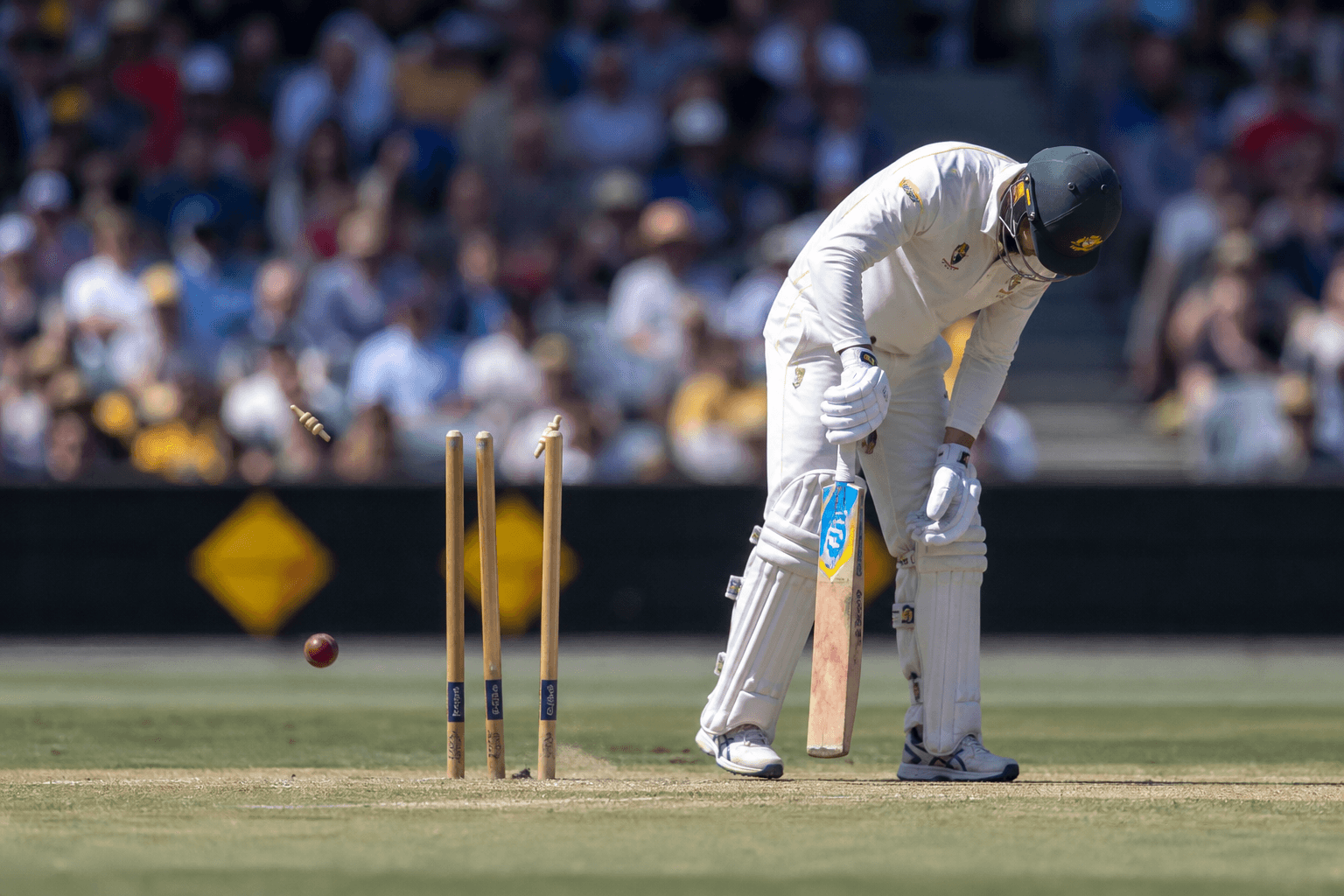
Test Cricket Is Not the Place to Troubleshoot: The Growing Inability of Modern Batters to Handle the Moving Ball
When Test Cricket Becomes the Exam, Not the Classroom
A quiet but urgent debate is simmering in the corridors of cricket: why are so many top-order batters, blooded in modern high-performance systems, looking utterly lost as soon as the ball moves off the straight? The recent analysis by ESPNcricinfo argues the uncomfortable truth—Test cricket is no longer the finishing school for technique and temperament. Instead, it has become the troubleshooting ground, exposing flaws that should have been ironed out long before a player pulls on their national whites.
The central thesis is simple yet profound. In previous generations, young batters came through domestic pathways that ruthlessly exposed them to seam, swing, and variable bounce from the outset. There was no hiding in air-conditioned academies or controlled net environments. If you couldn’t handle a Duke ball nipping around under grey skies in April, you didn’t progress. The system itself was the coach, forcing players to find answers to the questions bowlers and conditions posed. Now, that same system appears to be insulating rather than testing its talent.
A Developmental Deficit, Not a Form Slump
The struggles we are witnessing—dramatic collapses in England, South Africa, and even in parts of Asia—cannot be dismissed as a cyclical dip in batting averages. The ESPN piece frames this as a structural failure in how players are coached, selected, and exposed to challenge before reaching Test level. Key indicators suggest a generation of batters more comfortable in the predictable rhythms of white-ball cricket or the contained pressure of net sessions than in the chaotic, protracted examination of a five-day match.
Three central problems emerge from the reporting:
- Shielded pathways: Young cricketers are spending more time in indoor centres, facing bowling machines on immaculate surfaces, and less time on uncovered pitches where the ball hoops. The instinct to survive rather than dominate a tricky spell is no longer being cultivated early.
- First-class cricket's diminished status: The domestic red-ball game, squeezed by franchise leagues, often lacks the quality or the context to replicate the Test arena's intensity. Batters can pile up runs on flat decks without ever learning to navigate a session where every delivery is a threat.
- Coaching philosophy shift: Many modern coaches prioritise strike-rate and boundary-hitting mechanics over defensive technique against lateral movement. The result is a crop of players whose games are engineered for survival in T20 leagues, not for leaving deliveries on a fifth-stump line for six hours.
Moving Ball as the Ultimate Litmus Test
Test cricket has always been defined by the moving ball—whether it's the Dukes ball talking under cloud cover, the Kookaburra reversing on abrasive surfaces, or the SG ball turning square from day three. Historically, a batter's arrival at Test level meant they had already proven they could handle these examinations. Now, the international arena is the first place many encounter a truly sustained, world-class spell of swing or seam. The result is that technical flaws—hard hands outside off stump, a closed bat face, poor weight transfer—are brutally exposed on the biggest stage, often ending careers before they can be fixed.
The argument isn't that modern batters lack talent. It's that they are being trained for a different exam. The controlled environments of high-performance centres may produce impressive biomechanical outputs, but they rarely simulate the psychological warfare of a James Anderson probing a channel for 12 overs. When the first such spell arrives in a Test match, the batter is already behind the learning curve.
Domestic Structures: Are They Rewarding the Right Traits?
An uncomfortable thread in the discussion is whether county cricket, Sheffield Shield, and other first-class systems are still capable of cultivating world-class Test batters. If pitches are flat to guarantee results or to accommodate white-ball windows, the seamers lose their bite and the batters lose their edge. Selectors may then be forced to pick players based on limited-overs promise or net potential, only to watch them unravel when the ball moves. The ESPN analysis implies that until domestic cricket can once again produce survivors—players who know how to construct an innings under duress—the cycle will continue.
The developmental journey that once spanned years of facing a moving ball in club, school, and state cricket has been compressed and sanitised. The result is not merely a bad trot of form; it is a systemic weakness that Test attacks are increasingly able to exploit from ball one.
Who Bears the Responsibility?
If Test cricket is the pinnacle, then it cannot also be the classroom. The responsibility lies with national boards, academy directors, and high-performance coaches to rebuild a pathway that confronts batters with the chaos of the moving ball early and often. This means revisiting schedules to protect first-class competitions, investing in uncovered pitches for youth and second-XI cricket, and rewarding defensive technique in selection conversations just as loudly as a 150-strike-rate.
The sport stands at a crossroads. Continue to treat Test cricket as a troubleshooting exercise and the format risks becoming an ordeal rather than a spectacle. As the ESPNcricinfo piece makes clear, the answers batters need must be found before they walk out to bat—not after they have already slipped into a tailspin against a moving ball.