US Pauses Immigrant Visa Applications Worldwide Amid Wider Crackdown
US pauses immigrant visa applications worldwide
The Trump administration has paused immigrant visa applications worldwide, a move that could stall permanent residence cases for families and employers across multiple countries. The administration described the suspension as necessary to allow for “in-depth training” of consular officials.
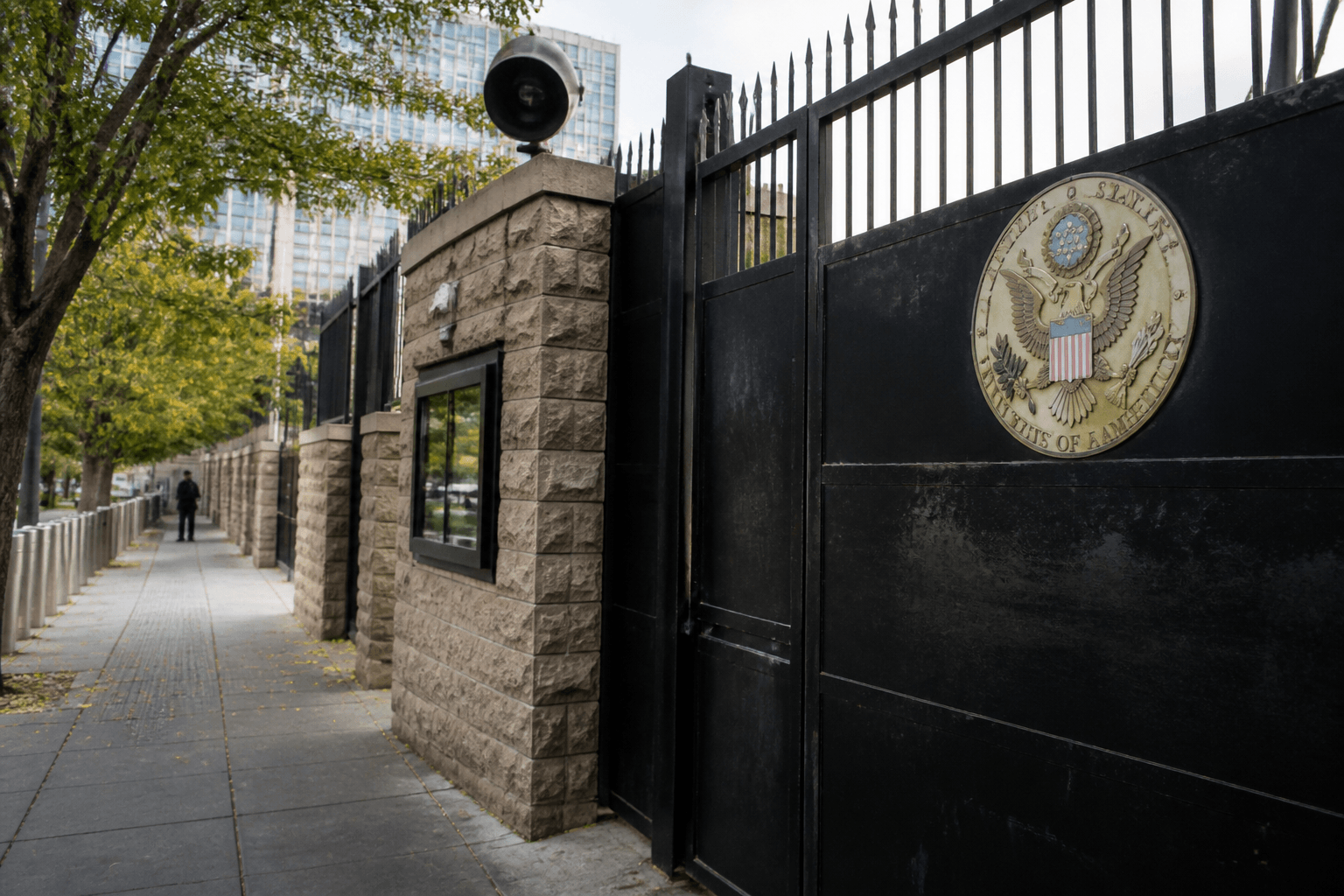
The pause applies to immigrant visa processing at U.S. embassies and consulates globally, rather than to a single diplomatic post or region. It was not immediately clear when the measure took effect, how long it would remain in force, or whether any categories of applicants would be excluded.
- Immigrant visa applications reportedly paused worldwide.
- Stated reason: “in-depth training” for consular staff.
- Duration and possible exemptions not immediately clear.
- Potential impact on family-sponsored, employment-based, and other immigrant visa applicants.
What the reported suspension covers
Immigrant visas are distinct from nonimmigrant visas, which authorize temporary stays for purposes such as tourism, study, business trips, and certain temporary work. An immigrant visa is generally issued to a foreign national who intends to live permanently in the United States, typically through family sponsorship, an employer petition, or a diversity visa.
The reported global pause focuses on this immigrant visa pipeline. The report did not indicate that nonimmigrant visa processing was being halted at the same time, but it also did not provide details on whether emergency appointments, humanitarian cases, or diplomatic missions would receive priority.
Who would be affected
Immigrant visa applicants include immediate relatives of U.S. citizens, other family-sponsored preference categories, employment-based applicants, diversity visa selectees, and certain special immigrants. A worldwide suspension could affect each of these groups differently depending on how consular posts implement the pause and whether exemptions are later announced.
Families awaiting interview appointments could see their timelines pushed back, while employers sponsoring foreign workers for permanent residence may face uncertainty if immigrant visa adjudication is delayed. Applicants who have already completed interviews may also wait longer for final processing or visa issuance if the pause covers final steps.
Potential impact on consular posts and backlogs
Applicants already waiting for interviews, document reviews, or final adjudication could face additional backlogs, particularly at high-volume consular posts. A worldwide pause of this kind has the potential to delay family reunification, employment-based permanent residence, and other long-pending cases.
The stated rationale of “in-depth training” for consular officials points toward an operational or policy reset rather than a one-off administrative delay. However, without confirmed guidance from the State Department, the precise scope of the training and the categories of staff involved remain unclear.
Even temporary pauses in visa processing can create ripple effects because immigrant visa quotas and priority dates may not pause in the same way. If interviews are delayed, applicants could face additional administrative hurdles when scheduling reopens, depending on whether the State Department allows cases to remain in queue or requires updated documents and medical exams.
Broader immigration enforcement context
The reported suspension arrives amid a wider push by the administration to tighten immigration rules. In recent years, legal immigration processing has faced heightened scrutiny, longer administrative processing, and additional vetting requirements. A global pause on immigrant visa applications would be consistent with that direction, though the immediate operational impact remains to be seen.
It was not immediately clear what official State Department guidance, if any, had been issued on exemptions or prioritization. Applicants and sponsors are encouraged to monitor official visa guidance through the Bureau of Consular Affairs website for updates.