Labor Day in the Age of AI: The Worker Must Remain at the Center
Labor Day in the Age of AI: The Worker Must Remain at the Center
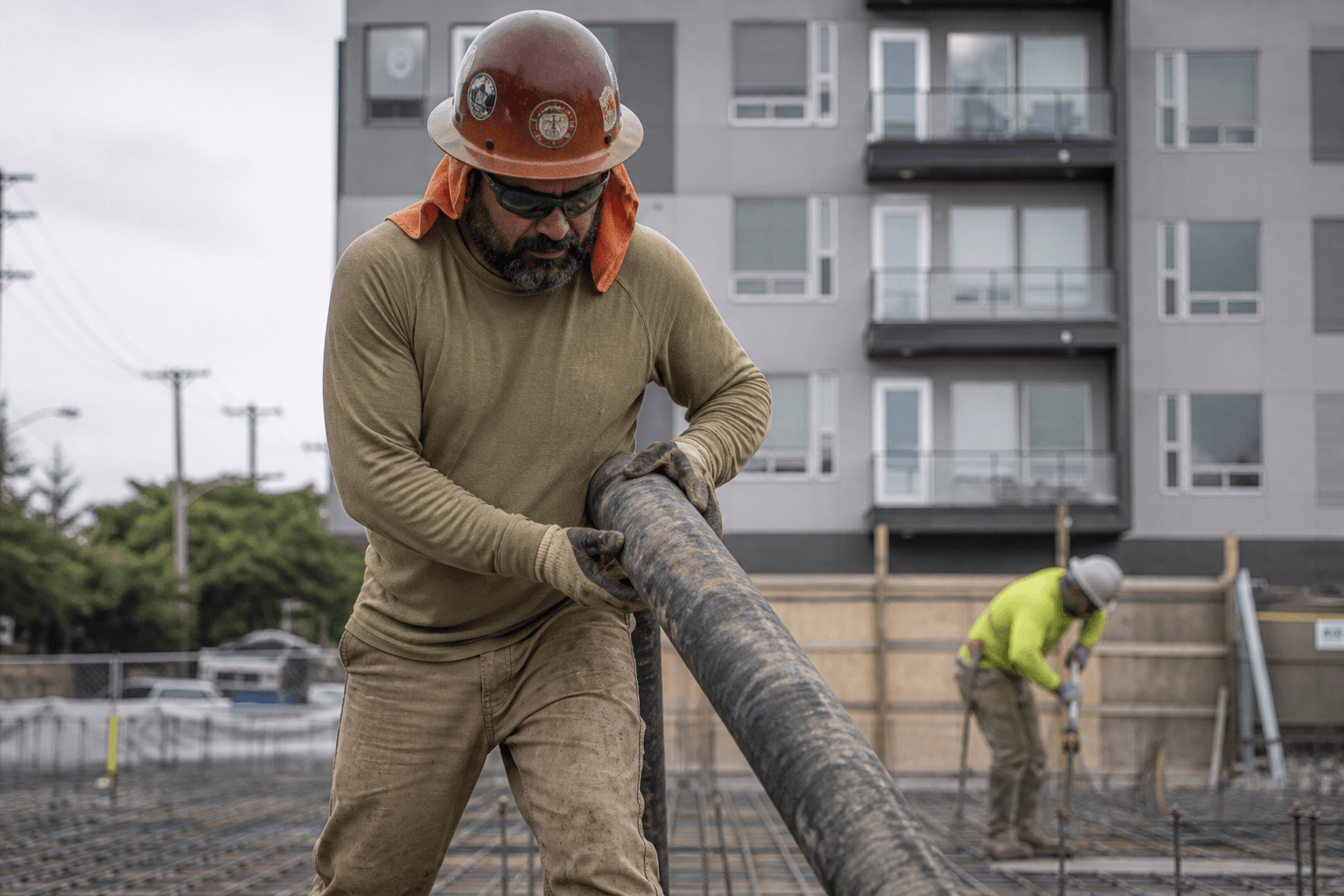
Labor Day remains a national pause to remember the people whose hands, minds and daily sacrifices built and sustain the country: the construction worker rising before dawn, the nurse on an overnight shift, the warehouse clerk, the home health aide, the driver and the teacher. But this year the holiday arrives as artificial intelligence quietly recasts what work means, who benefits from it and whether the worker remains the central figure in economic life.
The central tension is no longer theoretical. AI can improve productivity and efficiency, helping employers summarize documents, route customer inquiries, forecast demand and accelerate routine tasks. Yet the same tools raise urgent concerns about job displacement, deskilling, workplace surveillance and unequal benefits. A technology that could assist workers can also monitor their keystrokes, compress their training, or make their roles easier to eliminate.
A holiday about human labor, not machinery
Labor Day’s traditional meaning is a tribute to workers, especially essential and often overlooked professions that keep society functioning. In that frame, the question is not whether AI should exist, but whether its gains should serve people or quietly subordinate them. The argument from labor and ethics advocates is blunt: people should remain the focus of economic and technological systems, not be treated as replaceable inputs in a production chain.
The holiday’s roots lie in the labor movement’s demand for fair hours, safe conditions and recognition of workers’ contributions. The U.S. Department of Labor’s history and worker statistics underscores that legacy, while international bodies have begun mapping how automation is changing it.
Where AI is entering work fastest
Some sectors are more exposed than others as AI tools enter daily workflows:
- Office and administrative work, where generative AI can draft, summarize and organize.
- Customer service, where chatbots and voice systems now handle routine contacts.
- Logistics and manufacturing, where algorithms optimize routes, inventory and production lines.
- Healthcare support, where AI assists with documentation, scheduling and preliminary analysis.
- Other roles involving repetitive digital tasks, data entry or standardized decision-making.
These changes do not fall equally. Workers in lower-wage, more replaceable tasks often face the greatest pressure, while higher-skilled roles may gain leverage and productivity. The risk is a labor market split in which technology widens inequality rather than narrowing it.
Policy, ethics and the dignity of work
A human-centered approach does not reject innovation. It asks for guardrails, retraining and standards so AI complements human labor, preserves worker rights and shares gains more fairly. That includes making sure new tools are introduced with notice, training and genuine worker input; that surveillance does not become the default; and that productivity gains are not treated as an excuse to cut wages or staffing without a plan for transition.
The International Labour Organization has warned that the future of work depends on how technology is governed, not on technology alone. Its research on AI and the future of work points to the need for social dialogue, skills investment and rights protections. Similarly, the OECD’s research on AI, labor markets and productivity shows that gains are possible only if institutions keep pace with the tools.
Technological progress should not weaken the moral value of work. A job is more than output; it is a source of income, identity, dignity and connection.
The debate also touches essential work itself. Many jobs honored on Labor Day cannot be fully automated because care, judgment, trust and physical presence still require human beings. Yet poorly designed systems can make that work more burdensome, adding documentation and monitoring without removing the human weight of the task.
That broader social question—how to ensure progress does not widen inequality or erase human purpose—is the real Labor Day test. Policymakers, employers and workers all have a stake in an answer that keeps the worker at the center, not on the margins, of the AI age.