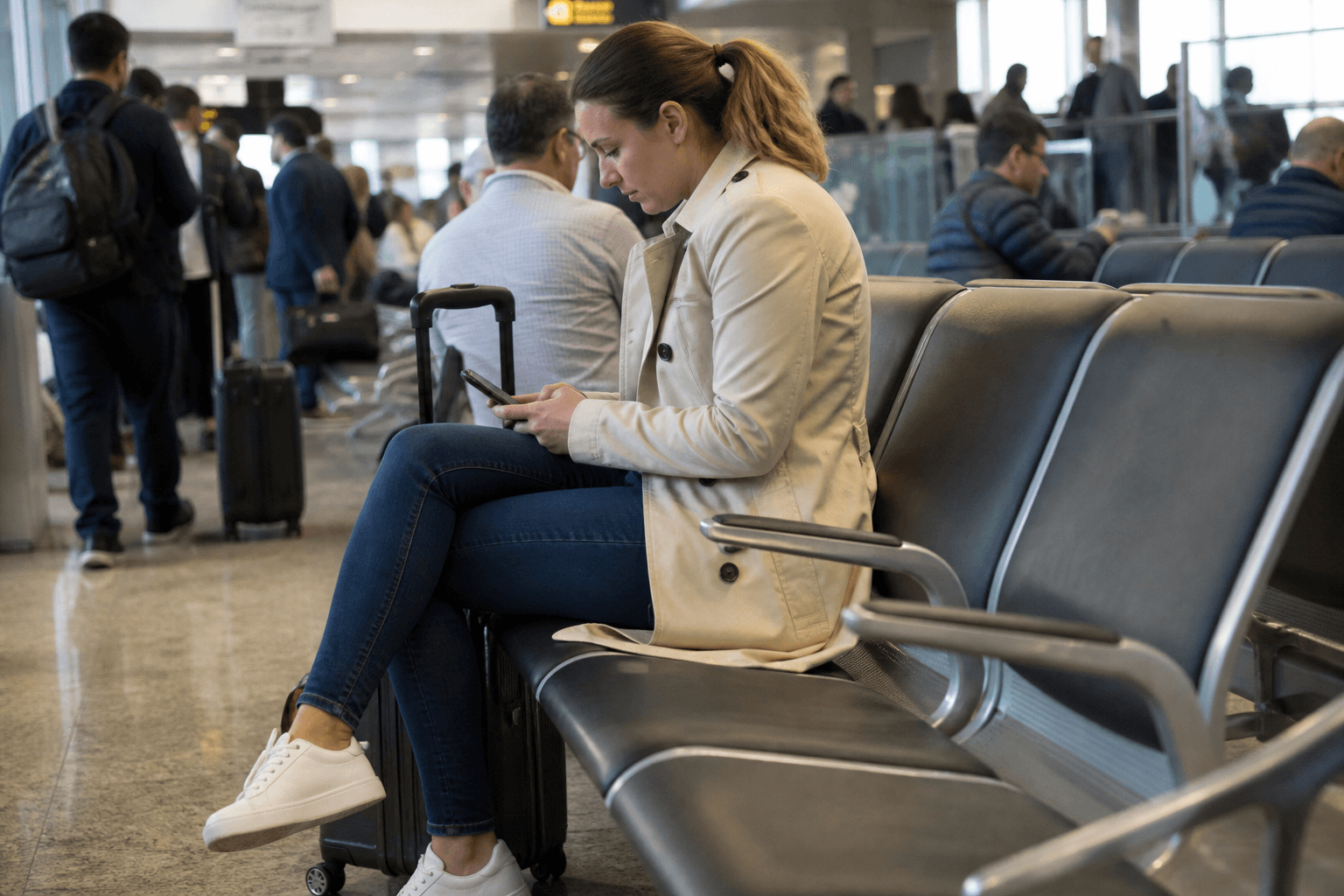
12 Easy Money-Saving Travel Tips to Beat Rising Vacation Costs
As airfares climb and travel demand shows no sign of cooling, vacation budgets are under pressure. But cutting costs doesn’t require a bare-bones itinerary or skipping the experiences that make a trip memorable. Simple, behavior-based tweaks – from how you pack to where you buy your snacks – can keep spending in check. Consumer finance experts have compiled a dozen such tactics, and we’ve picked five of the most impactful to help you travel smarter right now.
1. Pack Light to Dodge Baggage Fees
Checked-bag charges have become a silent budget killer. By traveling with only a carry-on, you can avoid fees that often start at $30 each way and climb higher for heavier or oversized luggage. Packing light also makes transit smoother – no waiting at baggage claim and less risk of lost items. If you’re unsure about an airline’s specific fee structure, the U.S. Department of Transportation’s air travel consumer resources offer guidance on baggage policies and passenger rights.
2. Shop at Local Grocery Stores
Dining out for every meal while traveling is one of the easiest ways to blow a budget. Instead, head to a neighborhood supermarket or fresh market as soon as you arrive. Stocking up on breakfast items, fresh fruit, and beverages can slash your daily food spend in half compared to restaurant meals. It’s also a chance to sample local products in a more authentic – and affordable – setting.
3. Pack Snacks to Curb Impulse Buys
Airport terminals, train stations, and highway rest stops are priced for convenience, not value. A small bag of trail mix might cost $3 at home but $8 at a gate-side kiosk. Tucking a few non-perishable snacks – granola bars, nuts, dried fruit – into your personal bag keeps you from making those high-markup impulse purchases when hunger strikes mid-journey. This simple habit can easily save a family $50 or more over a round-trip itinerary.
4. Get Yourself into the Airport Lounge
Paying for lounge access might seem counterintuitive to saving money, but it can be a strategic trade-off. A day pass or a travel rewards credit card with lounge benefits often includes complimentary meals, beverages, and a comfortable workspace. If you know you would otherwise buy a meal and two drinks in the terminal while waiting for a flight, the lounge can break even – and deliver a far better experience. The key is to calculate whether the pass cost is less than what you’d spend on food and amenities in the main concourse.
5. Arrive Early and Avoid Costly Mistakes
Rushing to catch a flight or train leads to expensive last-minute decisions: overpriced grab-and-go food, a pricey taxi because there’s no time for public transit, or even missing a departure altogether. Building a generous buffer into your schedule reduces stress and prevents the kind of panic spending that can wreck a travel budget. If you do arrive with time to spare, you have the space to make calmer, cheaper choices – and you might even relax enough to enjoy that lounge you just invested in.
These small shifts in pre-trip planning and on-the-ground behavior require no extreme frugality. Pack a lighter suitcase, steer your shopping cart toward a local grocery, and give yourself the gift of extra time. When those habits become routine, the savings can transform a trip from financially stressful to refreshingly affordable.